• HOME
  • NEWS
  • EXPLORE
    • CAREER
      • Companies
      • Jobs
    • EVENTS
    • iGEM
      • News
      • Team
    • PHOTOS
    • VIDEO
    • WIKI
  • BLOG
  • COMMUNITY
    • FACEBOOK
    • INSTAGRAM
    • TWITTER
Thursday, July 2, 2026
BIOENGINEER.ORG
No Result
View All Result
  • Login
  • HOME
  • NEWS
  • EXPLORE
    • CAREER
      • Companies
      • Jobs
        • Lecturer
        • PhD Studentship
        • Postdoc
        • Research Assistant
    • EVENTS
    • iGEM
      • News
      • Team
    • PHOTOS
    • VIDEO
    • WIKI
  • BLOG
  • COMMUNITY
    • FACEBOOK
    • INSTAGRAM
    • TWITTER
  • HOME
  • NEWS
  • EXPLORE
    • CAREER
      • Companies
      • Jobs
        • Lecturer
        • PhD Studentship
        • Postdoc
        • Research Assistant
    • EVENTS
    • iGEM
      • News
      • Team
    • PHOTOS
    • VIDEO
    • WIKI
  • BLOG
  • COMMUNITY
    • FACEBOOK
    • INSTAGRAM
    • TWITTER
No Result
View All Result
Bioengineer.org
No Result
View All Result
Home NEWS Science News Biology

ASU study shows some aquatic plants depend on the landscape for photosynthesis

Bioengineer by Bioengineer
November 14, 2019
in Biology
Reading Time: 2 mins read
0
IMAGE
Share on FacebookShare on TwitterShare on LinkedinShare on RedditShare on Telegram

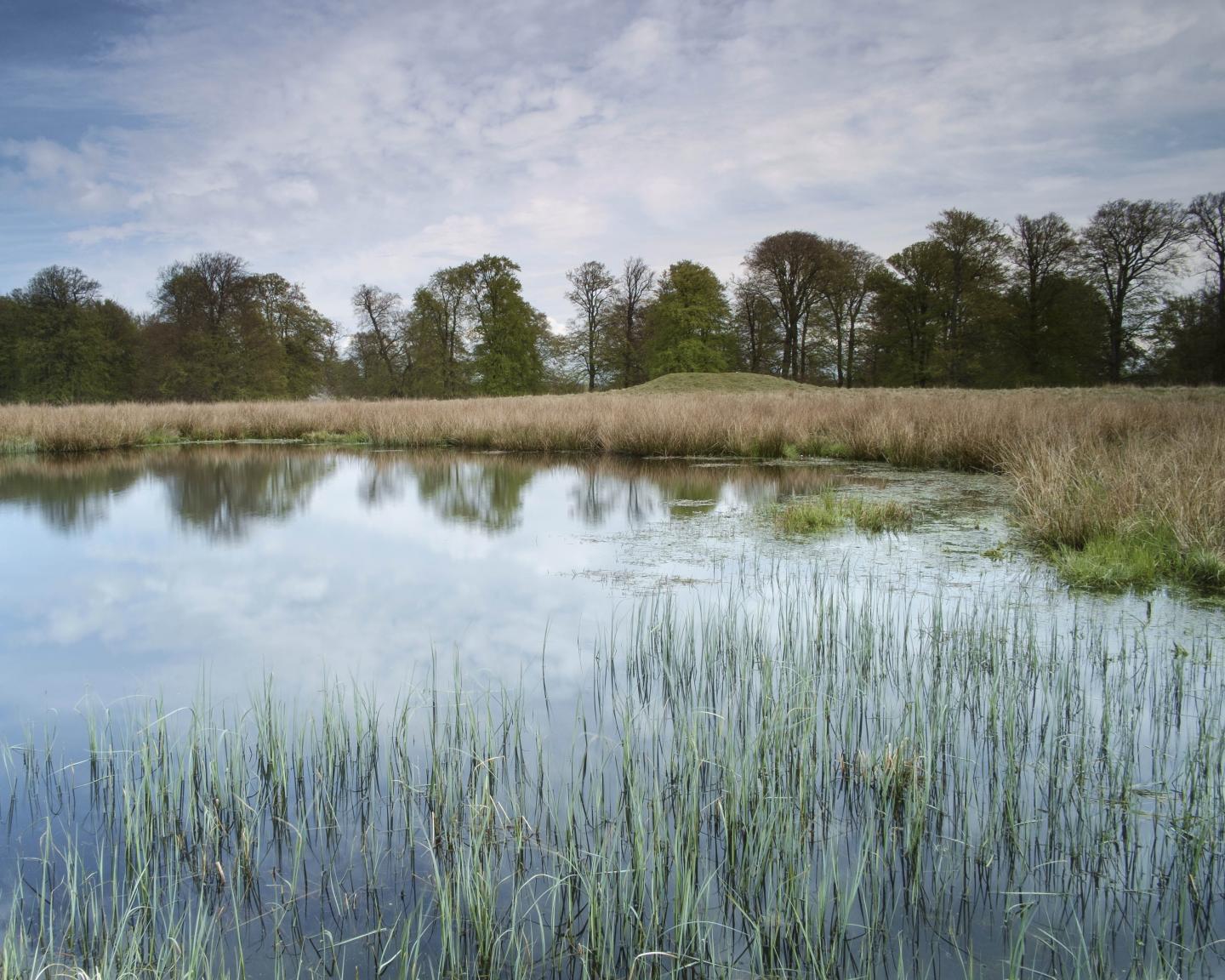
Runoff from soils and surrounding environments provide life-sustaining carbon
IMAGE

Credit: Lars Iversen

All plants need carbon dioxide, or CO2 to live. They extract it from the air and use it during the photosynthesis process to feed themselves.

But what happens to aquatic plants? How do they get carbon dioxide?

Some have partial terrestrial forms, such as floating leaves or above water growth, which allows them to use carbon dioxide from the atmosphere. But for plants that live completely submerged in water, CO2 is limited and many of these plants have developed a mechanism to tap into other carbon sources. In this case, they extract it from bicarbonate — a naturally occurring mineral that comes from the weathering of soils and rocks and the runoff reaches the plants.

In a paper published today in Science, researchers from Arizona State University School of Life Sciences found that not only are freshwater aquatic plants affected by climate, they are also shaped by the surrounding landscape.

“In this study, we’re able to show that yes, when in an environment where carbon dioxide is limited, then plants use strategies to extract carbon from bicarbonate,” said Lars Iversen, principal investigator for the study and a research fellow at the School of Life Sciences. “We see this in local rivers and lakes, but we also see this across the globe. We have identified patterns across ecoregions and there’s a direct link between the availability of catchment bicarbonate and the ability of aquatic plants to extract carbon from that bicarbonate.”

The study, which focused specifically on aquatic plants that live completely submerged, also showed that when plants have easier access to carbon dioxide, they will use that as their carbon source, even if bicarbonate is available.

“One of the main points of this study is that aquatic plants are different. We cannot use our extensive knowledge about terrestrial plants in the same way as aquatic plants,” said Iversen, a researcher in Assistant Professor Ben Blonder’s ecology lab. “This is really important because on a global scale, at least one-third of the human population is very closely linked to freshwater systems. So things like deltas, drinking water, and fishing grounds are critical to human survival. If we are to understand how these systems will persist and change within the next 100 years, then we really need to know how some of the main components and structures in freshwater systems are working.”

Environmental changes caused by human activity, such as deforestation, land cultivation, and the use of fertilizers, are causing large increases in bicarbonate concentrations in many freshwater bodies around the world. Iversen said the insight from this study will help researchers evaluate how ecosystem functions change if concentrations of bicarbonate increase.

###

Media Contact
Sandra Leander
[email protected]
480-965-9865

Original Source

https://asunow.asu.edu/20191114-asu-study-shows-some-aquatic-plants-depend-landscape-photosynthesis

Related Journal Article

http://dx.doi.org/10.1126/science.aay5945

Tags: BiochemistryBiodiversityBiologyClimate ChangeEarth ScienceEcology/EnvironmentGeology/SoilMarine/Freshwater BiologyPlant Sciences
Share12Tweet8Share2ShareShareShare2

Related Posts

Evolution-Inspired Biosensors Revolutionize Lipid Tracking in Real Time — Biology

Evolution-Inspired Biosensors Revolutionize Lipid Tracking in Real Time

July 2, 2026
New Study Reveals How to Reduce Risk of Dangerous Wildlife Encounters This Summer — Biology

New Study Reveals How to Reduce Risk of Dangerous Wildlife Encounters This Summer

July 2, 2026

Hepatic IFRD1 Alleviates Metabolic Dysfunction-Linked Steatohepatitis Through the GLUD1/α-KG Pathway

July 2, 2026

Intricate Food Webs Support Ecosystem Health and Stability

July 2, 2026
Please login to join discussion

POPULAR NEWS

  • Detection of EDCs in Breast Milk and Infant Urine Up to Six Months Highlights Early Exposure Risks

    77 shares
    Share 31 Tweet 19
  • Saying Goodbye to PGY-6: Pediatric Fellowship Realities

    103 shares
    Share 41 Tweet 26
  • New Drug Candidate Developed at McMaster Shows Potential for Treating Brain Cancer

    58 shares
    Share 23 Tweet 15
  • KTU Researchers Explore Ultrasound’s Role in Enhancing Blood Flow Beyond Diagnostics

    53 shares
    Share 21 Tweet 13

About

BIOENGINEER.ORG

We bring you the latest biotechnology news from best research centers and universities around the world. Check our website.

Follow us

Recent News

Steatosis Drives Liver Metastasis Diversity in CRC

Unlocking the Mysteries of Alzheimer’s Disease

Pensoft Introduces New Peer-Reviewed Journal of Regeneration to Advance Restorative Biology Across Species

Subscribe to Blog via Email

Enter your email address to subscribe to this blog and receive notifications of new posts by email.

Join 82 other subscribers
  • Contact Us

Bioengineer.org © Copyright 2023 All Rights Reserved.

Welcome Back!

Login to your account below

Forgotten Password?

Retrieve your password

Please enter your username or email address to reset your password.

Log In
No Result
View All Result
  • Homepages
    • Home Page 1
    • Home Page 2
  • News
  • National
  • Business
  • Health
  • Lifestyle
  • Science

Bioengineer.org © Copyright 2023 All Rights Reserved.