• HOME
  • NEWS
  • EXPLORE
    • CAREER
      • Companies
      • Jobs
    • EVENTS
    • iGEM
      • News
      • Team
    • PHOTOS
    • VIDEO
    • WIKI
  • BLOG
  • COMMUNITY
    • FACEBOOK
    • INSTAGRAM
    • TWITTER
Thursday, May 14, 2026
BIOENGINEER.ORG
No Result
View All Result
  • Login
  • HOME
  • NEWS
  • EXPLORE
    • CAREER
      • Companies
      • Jobs
        • Lecturer
        • PhD Studentship
        • Postdoc
        • Research Assistant
    • EVENTS
    • iGEM
      • News
      • Team
    • PHOTOS
    • VIDEO
    • WIKI
  • BLOG
  • COMMUNITY
    • FACEBOOK
    • INSTAGRAM
    • TWITTER
  • HOME
  • NEWS
  • EXPLORE
    • CAREER
      • Companies
      • Jobs
        • Lecturer
        • PhD Studentship
        • Postdoc
        • Research Assistant
    • EVENTS
    • iGEM
      • News
      • Team
    • PHOTOS
    • VIDEO
    • WIKI
  • BLOG
  • COMMUNITY
    • FACEBOOK
    • INSTAGRAM
    • TWITTER
No Result
View All Result
Bioengineer.org
No Result
View All Result
Home NEWS Science News Chemistry

Antibiotic resistance genes in three Puerto Rican watersheds after Hurricane Maria

Bioengineer by Bioengineer
November 18, 2020
in Chemistry
Reading Time: 2 mins read
0
IMAGE
Share on FacebookShare on TwitterShare on LinkedinShare on RedditShare on Telegram

IMAGE

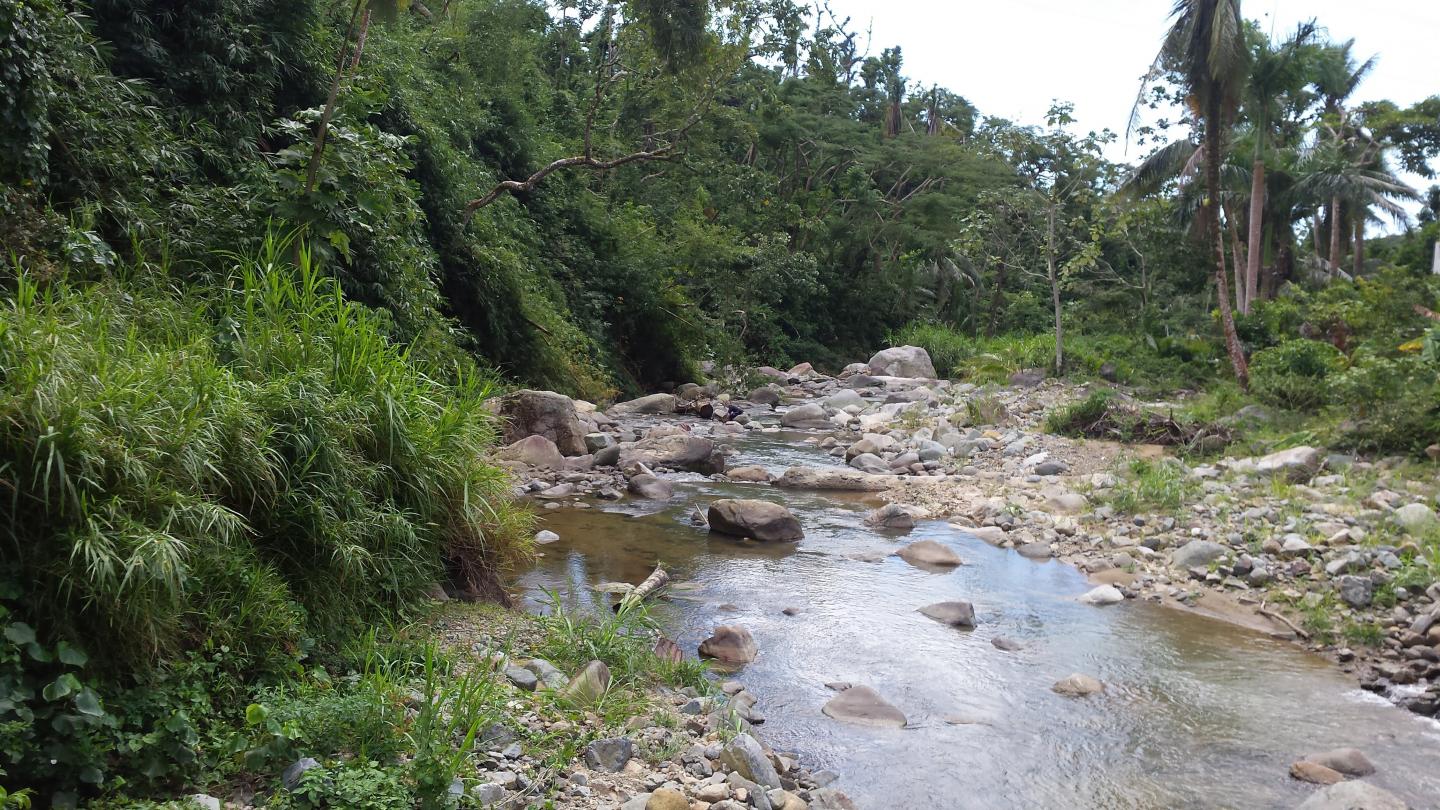
Credit: Maria Virginia Riquelme

In the aftermath of Hurricane Maria, a category 5 hurricane that made landfall in September 2017, flooding and power outages caused some wastewater treatment plants (WWTPs) to discharge raw sewage into waterways in Puerto Rico. Six months later, researchers monitored antibiotic resistance genes (ARGs) in three Puerto Rican watersheds, finding that the abundance and diversity of ARGs were highest downstream of WWTPs. They report their results in ACS’ Environmental Science & Technology.

Flooding can result in contamination of waterways with untreated human waste, and in turn, fecal and pathogenic bacteria. Previous research has linked this contamination to the emergence of antibiotic-resistant bacteria. To help monitor the spread of these potentially harmful microbes in waterways, Benjamin Davis, Maria Virginia Riquelme, Amy Pruden and colleagues wanted to detect and quantify bacterial genes that confer antibiotic resistance in three Puerto Rican watersheds post-Hurricane Maria.

The researchers used a method called shotgun metagenomics DNA sequencing to detect ARGs in river water samples from three watersheds, including samples upstream and downstream of three WWTPs. The researchers found that the abundance and diversity of total ARGs, in particular those that confer resistance to clinically important aminoglycoside and β-lactam antibiotics, were higher downstream of WWTPs compared with upstream. The total ARG abundance was higher in samples from an urban high-impact watershed than from the two other watersheds, which had less human influence. Also, two anthropogenic antibiotic resistance markers — DNA sequences associated with human impacts to the watershed — correlated with the abundance of a distinct set of ARGs. Although baseline levels of ARGs in these Puerto Rican watersheds prior to Hurricane Maria are unknown, surveillance methodologies like these could be used to assess future impacts of major storms on the spread of antibiotic resistance, the researchers say.

###

The authors acknowledge funding from the National Science Foundation and the U.S. Department of Agriculture.

The paper’s abstract will be available on November 18 at 8 a.m. Eastern time here: http://pubs.acs.org/doi/abs/10.1021/acs.est.0c05567

The American Chemical Society (ACS) is a nonprofit organization chartered by the U.S. Congress. ACS’ mission is to advance the broader chemistry enterprise and its practitioners for the benefit of Earth and its people. The Society is a global leader in providing access to chemistry-related information and research through its multiple research solutions, peer-reviewed journals, scientific conferences, eBooks and weekly news periodical Chemical & Engineering News. ACS journals are among the most cited, most trusted and most read within the scientific literature; however, ACS itself does not conduct chemical research. As a specialist in scientific information solutions (including SciFinder® and STN®), its CAS division powers global research, discovery and innovation. ACS’ main offices are in Washington, D.C., and Columbus, Ohio.

To automatically receive news releases from the American Chemical Society, contact [email protected].

Follow us: Twitter | Facebook

Media Contact
Katie Cottingham
[email protected]

Tags: Chemistry/Physics/Materials SciencesGeneticsHydrology/Water ResourcesMarine/Freshwater BiologyWeather/Storms
Share12Tweet8Share2ShareShareShare2

Related Posts

Researchers Develop High-Efficiency Hydrogen Separation Membranes Using Innovative ‘Mortar-and-Brick’ Design — Chemistry

Researchers Develop High-Efficiency Hydrogen Separation Membranes Using Innovative ‘Mortar-and-Brick’ Design

May 13, 2026
Green Electrosynthesis Paves the Way for Direct Amines Production from Atmospheric Nitrogen — Chemistry

Green Electrosynthesis Paves the Way for Direct Amines Production from Atmospheric Nitrogen

May 13, 2026

Decoding Life’s Chemistry: A Revolutionary Search Engine from Molecules to Meaning

May 13, 2026

How Olympic Weightlifting Harnesses the Barbell’s ‘Whip’ for Peak Performance #ASA190

May 13, 2026
Please login to join discussion

POPULAR NEWS

  • Research Indicates Potential Connection Between Prenatal Medication Exposure and Elevated Autism Risk

    842 shares
    Share 337 Tweet 211
  • New Study Reveals Plants Can Detect the Sound of Rain

    729 shares
    Share 291 Tweet 182
  • Salmonella Haem Blocks Macrophages, Boosts Infection

    62 shares
    Share 25 Tweet 16
  • Breastmilk Balances E. coli and Beneficial Bacteria in Infant Gut Microbiomes

    57 shares
    Share 23 Tweet 14

About

We bring you the latest biotechnology news from best research centers and universities around the world. Check our website.

Follow us

Recent News

Sleep Patterns Reveal Insights on Aging Clocks

Real-Time Digital Techniques Quantify Sensor Uncertainty

Chinese Medical Journal Study Highlights Escalating Neurological Disease Burden in China

Subscribe to Blog via Email

Enter your email address to subscribe to this blog and receive notifications of new posts by email.

Join 82 other subscribers
  • Contact Us

Bioengineer.org © Copyright 2023 All Rights Reserved.

Welcome Back!

Login to your account below

Forgotten Password?

Retrieve your password

Please enter your username or email address to reset your password.

Log In
No Result
View All Result
  • Homepages
    • Home Page 1
    • Home Page 2
  • News
  • National
  • Business
  • Health
  • Lifestyle
  • Science

Bioengineer.org © Copyright 2023 All Rights Reserved.