• HOME
  • NEWS
  • EXPLORE
    • CAREER
      • Companies
      • Jobs
    • EVENTS
    • iGEM
      • News
      • Team
    • PHOTOS
    • VIDEO
    • WIKI
  • BLOG
  • COMMUNITY
    • FACEBOOK
    • INSTAGRAM
    • TWITTER
Sunday, June 14, 2026
BIOENGINEER.ORG
No Result
View All Result
  • Login
  • HOME
  • NEWS
  • EXPLORE
    • CAREER
      • Companies
      • Jobs
        • Lecturer
        • PhD Studentship
        • Postdoc
        • Research Assistant
    • EVENTS
    • iGEM
      • News
      • Team
    • PHOTOS
    • VIDEO
    • WIKI
  • BLOG
  • COMMUNITY
    • FACEBOOK
    • INSTAGRAM
    • TWITTER
  • HOME
  • NEWS
  • EXPLORE
    • CAREER
      • Companies
      • Jobs
        • Lecturer
        • PhD Studentship
        • Postdoc
        • Research Assistant
    • EVENTS
    • iGEM
      • News
      • Team
    • PHOTOS
    • VIDEO
    • WIKI
  • BLOG
  • COMMUNITY
    • FACEBOOK
    • INSTAGRAM
    • TWITTER
No Result
View All Result
Bioengineer.org
No Result
View All Result
Home NEWS Science News Health

An integrated approach for an effective prevention of Alzheimer´s disease

Bioengineer by Bioengineer
February 1, 2021
in Health
Reading Time: 2 mins read
0
IMAGE
Share on FacebookShare on TwitterShare on LinkedinShare on RedditShare on Telegram

IMAGE

Credit: Dr. Ricardo B. Maccioni

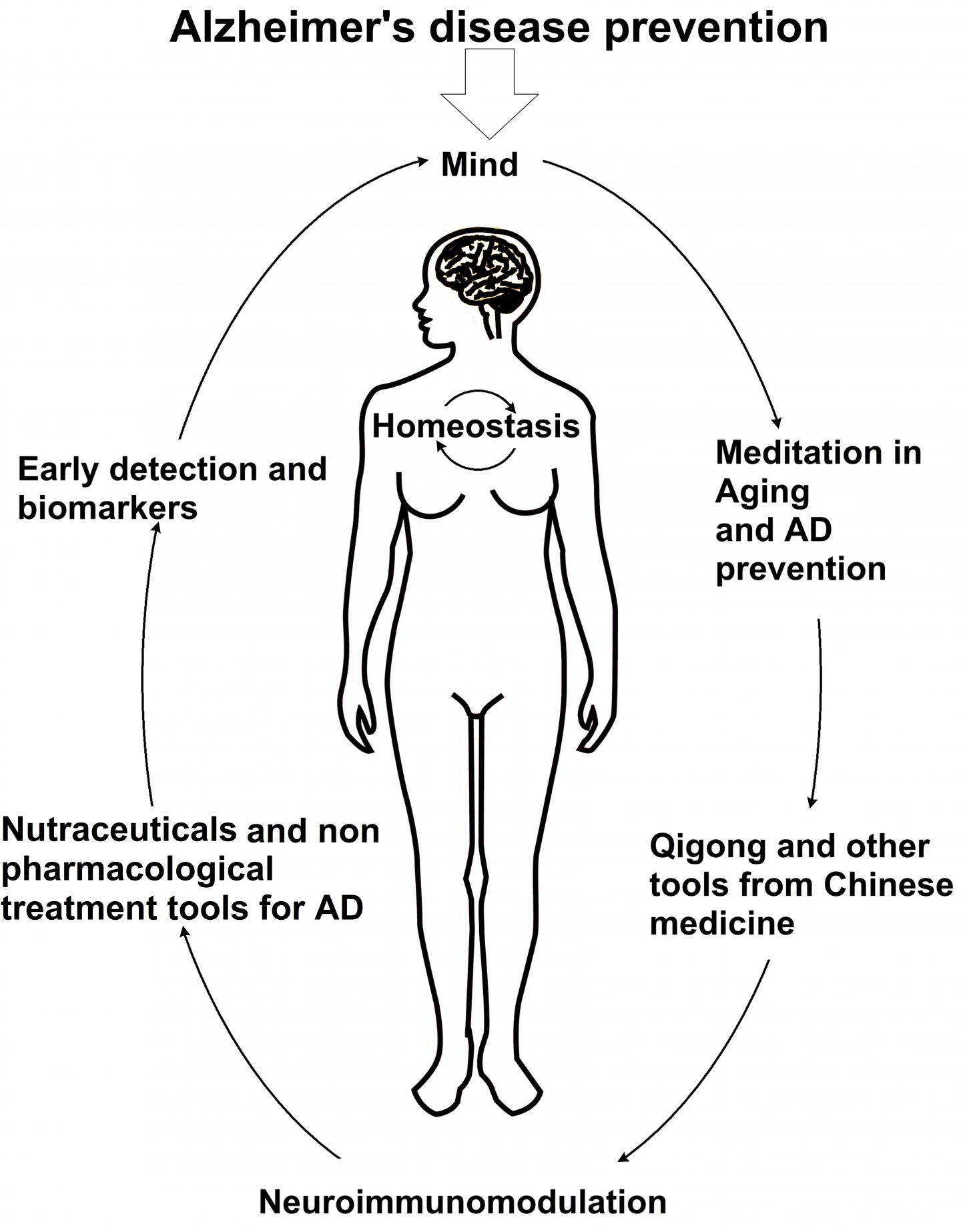
Amsterdam, December 29, 2020 – This new pioneering study by Prof. Ricardo Maccioni and coworkers of the International Center for Biomedicine, “New Frontiers in the prevention, diagnosis and treatment of Alzheimer´s disease” was published in the special issue of Latin American investigators of the Journal of Alzheimer’s Disease(JAD). This supports a growing body of research on the Alzheimer’s prevention value of an integrated approach using daily exercise, nutraceuticals, oriental practices such as QiGong along with meditation, and social life. These elements of a healthy style of life are supplemented with the use of reliable biomarkers for early detection of this disease that allows the detection of Alzheimer up to 20 years before symptomatic phase of the disease.

One of the major puzzles in medical research and public health systems worldwide is Alzheimer’s disease (AD), reaching nowadays a prevalence of nearly 50 million people. AD is a multifactorial brain disorder characterized by progressive cognitive impairment, apathy, and mood disorders. The main risk of AD is aging. Studies suggest that AD is a break from normal aging with changes in the powerful functional capacities of neurons as well as in the mechanisms of neuronal protection. There are factors that are determinants of the functional losses during aging, an important part is played by epigenetic components. Thus, the action of genes that confer susceptibility to AD can be mitigated with healthy lifestyles, physical exercise, balanced nutrition, avoiding molecules harmful to health and drugs. An active social life and practicing activity during the latter years of aging, to achieve health in advanced age.

In this context, an important path has been opened towards AD prevention considering the factors mentioned above and the control of neuroinflammatoy events (Figure 1). On the basis of medical evidence we conclude that a rational integration of all these factor exert a preventive action against neuronal degeneration in AD providing a better quality of life. Prevention as well as innovative screening programs for an early detection of the disease using reliable biomarkers are becoming critical to control the disease. Our own data suggest that AD is a clear break with normal aging; understanding that this process requires a systems of a biology-based approach. In addition, the failure of traditional pharmacological treatments and search for new drugs has stimulated the emergence of nutraceutical compounds in the context of a “multitarget” therapy, as well as non-pharmacological approaches shown to be effective in aging, and applied to AD control. An integrated approach involving all these preventive factors combined with novel multitarget therapeutic approaches should pave the way for the future control of the disease.

###

Media Contact
Diana Murray
[email protected]

Related Journal Article

http://dx.doi.org/10.3233/JAD-201059

Tags: AlzheimerMedicine/Health
Share13Tweet8Share2ShareShareShare2

Related Posts

Admission Creatinine Predicts Outcomes in Elderly ICU

June 14, 2026

GPR84 Drives Lung Inflammation via ZBP1-PANoptosome Activation

June 14, 2026

Drosophila Nucleostemin 1 Loss Triggers Apoptosis Mechanism

June 14, 2026

Turkish Pharmacists’ Insights on Elderly Medication Management

June 14, 2026
Please login to join discussion

POPULAR NEWS

  • ESMO 2025: mRNA COVID Vaccines Enhance Efficacy of Cancer Immunotherapy

    325 shares
    Share 130 Tweet 81
  • Saying Goodbye to PGY-6: Pediatric Fellowship Realities

    99 shares
    Share 40 Tweet 25
  • Multi-Hospital Study Reveals Long Covid Burden Is Twice as High as Current Estimates

    91 shares
    Share 36 Tweet 23
  • Common Food Preservatives Associated with Elevated Blood Pressure and Increased Heart Disease Risk

    59 shares
    Share 24 Tweet 15

About

We bring you the latest biotechnology news from best research centers and universities around the world. Check our website.

Follow us

Recent News

Admission Creatinine Predicts Outcomes in Elderly ICU

Unraveling PET-MPs’ Role in Inflammatory Bowel Disease

GPR84 Drives Lung Inflammation via ZBP1-PANoptosome Activation

Subscribe to Blog via Email

Enter your email address to subscribe to this blog and receive notifications of new posts by email.

Join 82 other subscribers
  • Contact Us

Bioengineer.org © Copyright 2023 All Rights Reserved.

Welcome Back!

Login to your account below

Forgotten Password?

Retrieve your password

Please enter your username or email address to reset your password.

Log In
No Result
View All Result
  • Homepages
    • Home Page 1
    • Home Page 2
  • News
  • National
  • Business
  • Health
  • Lifestyle
  • Science

Bioengineer.org © Copyright 2023 All Rights Reserved.