• HOME
  • NEWS
  • EXPLORE
    • CAREER
      • Companies
      • Jobs
    • EVENTS
    • iGEM
      • News
      • Team
    • PHOTOS
    • VIDEO
    • WIKI
  • BLOG
  • COMMUNITY
    • FACEBOOK
    • INSTAGRAM
    • TWITTER
Sunday, August 9, 2026
BIOENGINEER.ORG
No Result
View All Result
  • Login
  • HOME
  • NEWS
  • EXPLORE
    • CAREER
      • Companies
      • Jobs
        • Lecturer
        • PhD Studentship
        • Postdoc
        • Research Assistant
    • EVENTS
    • iGEM
      • News
      • Team
    • PHOTOS
    • VIDEO
    • WIKI
  • BLOG
  • COMMUNITY
    • FACEBOOK
    • INSTAGRAM
    • TWITTER
  • HOME
  • NEWS
  • EXPLORE
    • CAREER
      • Companies
      • Jobs
        • Lecturer
        • PhD Studentship
        • Postdoc
        • Research Assistant
    • EVENTS
    • iGEM
      • News
      • Team
    • PHOTOS
    • VIDEO
    • WIKI
  • BLOG
  • COMMUNITY
    • FACEBOOK
    • INSTAGRAM
    • TWITTER
No Result
View All Result
Bioengineer.org
No Result
View All Result
Home NEWS Science News Biology

Air temperatures in the Arctic are driving system change

Bioengineer by Bioengineer
April 8, 2019
in Biology
Reading Time: 3 mins read
0
IMAGE
Share on FacebookShare on TwitterShare on LinkedinShare on RedditShare on Telegram

IMAGE

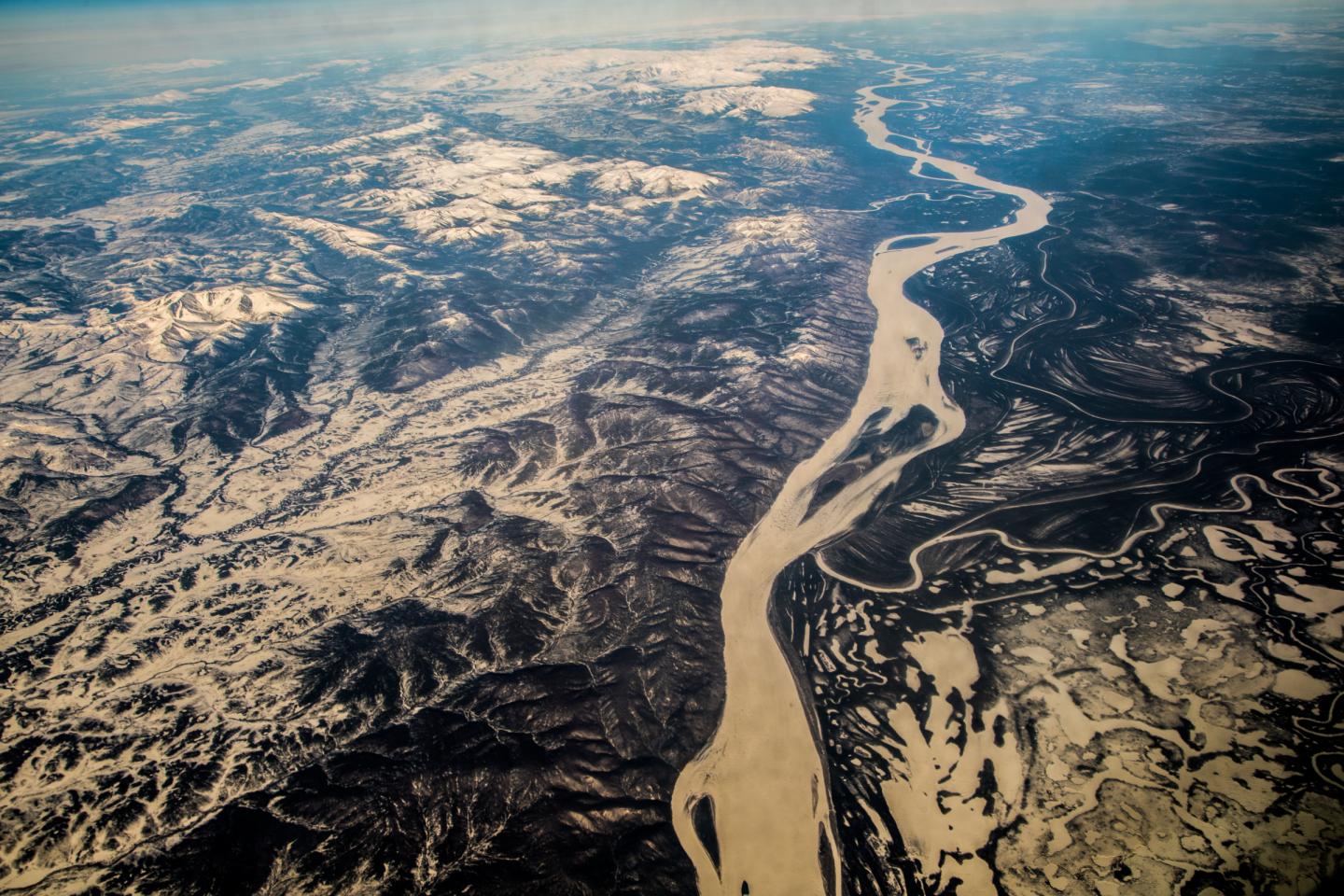
Credit: UAF photo by Todd Paris

A new paper shows that air temperature is the “smoking gun” behind climate change in the Arctic, according to John Walsh, chief scientist for the UAF International Arctic Research Center.

“The Arctic system is trending away from its 20th century state and into an unprecedented state, with implications not only within but beyond the Arctic,” according to lead author Jason Box of the Geological Survey of Denmark and Greenland in Copenhagen.

Several University of Alaska Fairbanks researchers are co-authors on the paper, which says that “increasing air temperatures and precipitation are drivers of major changes in various components of the Arctic system.”

The study is the first to combine observations of physical climate indicators, such as snow cover, with biological impacts, such as a mismatch in the timing of flowers blooming and pollinators working.

Climate indicators are key pieces of information that capture the essence of a system, according to Walsh. An example would be September sea ice extent, which summarizes the effects of things like temperature, winds, ocean heat and other variables.

“I didn’t expect the tie-in with temperature to be as strong as it was,” Walsh said. “All the variables are connected with temperature. All components of the Arctic system are involved in this change.”

“Never have so many Arctic indicators been brought together in a single paper,” he said.

The authors correlated records of observations from 1971 to 2017 of nine key indicators: air temperature, permafrost, hydroclimatology, snow cover, sea ice, land ice, wildfires, tundra and terrestrial ecosystems, and carbon cycling. All the indicators correlate with rising temperatures, pointing to a warming climate and a fundamental change in the Arctic.

“The Arctic system is trending away from its 20th century state and into an unprecedented state, with implications not only within but beyond the Arctic,” according to lead author Jason Box of the Geological Survey of Denmark and Greenland in Copenhagen.

“Because the Arctic atmosphere is warming faster than the rest of the world, weather patterns across Europe, North America and Asia are becoming more persistent, leading to extreme weather conditions. Another example is the disruption of the ocean circulation that can further destabilize climate: for example, cooling across northwestern Europe and strengthening of storms,” said Box.

The paper is the flagship piece in a special issue on Arctic climate change indicators published by the journal Environmental Research Letters. IARC’s Igor Polyakov is lead editor for this special issue, which has other papers co-authored by UAF scientists. In addition to Walsh, the authors include the Geophysical Institute’s Uma Bhatt and Vladimir Romanovsky, and EugĂ©nie Euskirchen of the Institute of Arctic Biology, along with many international colleagues.

The authors of the study hope that these indicator-based observations provide a foundation for a more integrated understanding of the Arctic and its role in the dynamics of the Earth’s biogeophysical systems.

###

ON THE WEB: The paper is available online at https://doi.org/10.1088/1748-9326/aafc1b

Video available at https://www.youtube.com/watch?v=asKIeN0pYTk&feature=youtu.be

Media Contact
Sue Mitchell
[email protected]

Original Source

https://news.uaf.edu/?p=102841&preview=true

Related Journal Article

http://dx.doi.org/10.1088/1748-9326/aafc1b

Tags: Climate ChangeClimate ScienceEarth ScienceEcology/EnvironmentGeology/SoilHydrology/Water ResourcesPlant SciencesTemperature-Dependent Phenomena
Share12Tweet8Share2ShareShareShare2

Related Posts

New wheat gene Sdd1 offers resource for improving plant architecture

New wheat gene Sdd1 offers resource for improving plant architecture

August 8, 2026
C/EBPÎł Links Cancer Plasticity, DNA Repair, and Therapy Resistance in Lung Adenocarcinoma

C/EBPÎł Links Cancer Plasticity, DNA Repair, and Therapy Resistance in Lung Adenocarcinoma

August 8, 2026

Antenna-like cell structure helps turtles sense warmth that determines sex

August 8, 2026

USC Launches Center Investigating Sex Differences in Aging

August 8, 2026
Please login to join discussion

POPULAR NEWS

  • How Neuroblastoma Balances Replication Stress and Genome Stability Across Chromosome 17q

    29 shares
    Share 12 Tweet 7
  • Cigar, Cigarillo, and Pipe Smoking: Lung Cancer Risk and Screening Eligibility

    29 shares
    Share 12 Tweet 7
  • How Low Gravity and Pressure Affect Space Manufacturing of Carbon-Fiber Structures

    29 shares
    Share 12 Tweet 7
  • Calreticulin-targeted L-asparaginase–flagellin conjugate boosts Salmonella’s antitumor effectiveness

    29 shares
    Share 12 Tweet 7

About

We bring you the latest biotechnology news from best research centers and universities around the world. Check our website.

Follow us

Recent News

How Neuroblastoma Balances Replication Stress and Genome Stability Across Chromosome 17q

Cigar, Cigarillo, and Pipe Smoking: Lung Cancer Risk and Screening Eligibility

How Low Gravity and Pressure Affect Space Manufacturing of Carbon-Fiber Structures

Subscribe to Blog via Email

Enter your email address to subscribe to this blog and receive notifications of new posts by email.

Join 86 other subscribers
  • Contact Us

Bioengineer.org © Copyright 2023 All Rights Reserved.

Welcome Back!

Login to your account below

Forgotten Password?

Retrieve your password

Please enter your username or email address to reset your password.

Log In
No Result
View All Result
  • Homepages
    • Home Page 1
    • Home Page 2
  • News
  • National
  • Business
  • Health
  • Lifestyle
  • Science

Bioengineer.org © Copyright 2023 All Rights Reserved.