• HOME
  • NEWS
  • EXPLORE
    • CAREER
      • Companies
      • Jobs
    • EVENTS
    • iGEM
      • News
      • Team
    • PHOTOS
    • VIDEO
    • WIKI
  • BLOG
  • COMMUNITY
    • FACEBOOK
    • INSTAGRAM
    • TWITTER
Saturday, May 16, 2026
BIOENGINEER.ORG
No Result
View All Result
  • Login
  • HOME
  • NEWS
  • EXPLORE
    • CAREER
      • Companies
      • Jobs
        • Lecturer
        • PhD Studentship
        • Postdoc
        • Research Assistant
    • EVENTS
    • iGEM
      • News
      • Team
    • PHOTOS
    • VIDEO
    • WIKI
  • BLOG
  • COMMUNITY
    • FACEBOOK
    • INSTAGRAM
    • TWITTER
  • HOME
  • NEWS
  • EXPLORE
    • CAREER
      • Companies
      • Jobs
        • Lecturer
        • PhD Studentship
        • Postdoc
        • Research Assistant
    • EVENTS
    • iGEM
      • News
      • Team
    • PHOTOS
    • VIDEO
    • WIKI
  • BLOG
  • COMMUNITY
    • FACEBOOK
    • INSTAGRAM
    • TWITTER
No Result
View All Result
Bioengineer.org
No Result
View All Result
Home NEWS Science News Biology

Air pollution in New York City linked to wildfires hundreds of miles away

Bioengineer by Bioengineer
January 21, 2020
in Biology
Reading Time: 3 mins read
0
IMAGE
Share on FacebookShare on TwitterShare on LinkedinShare on RedditShare on Telegram

IMAGE

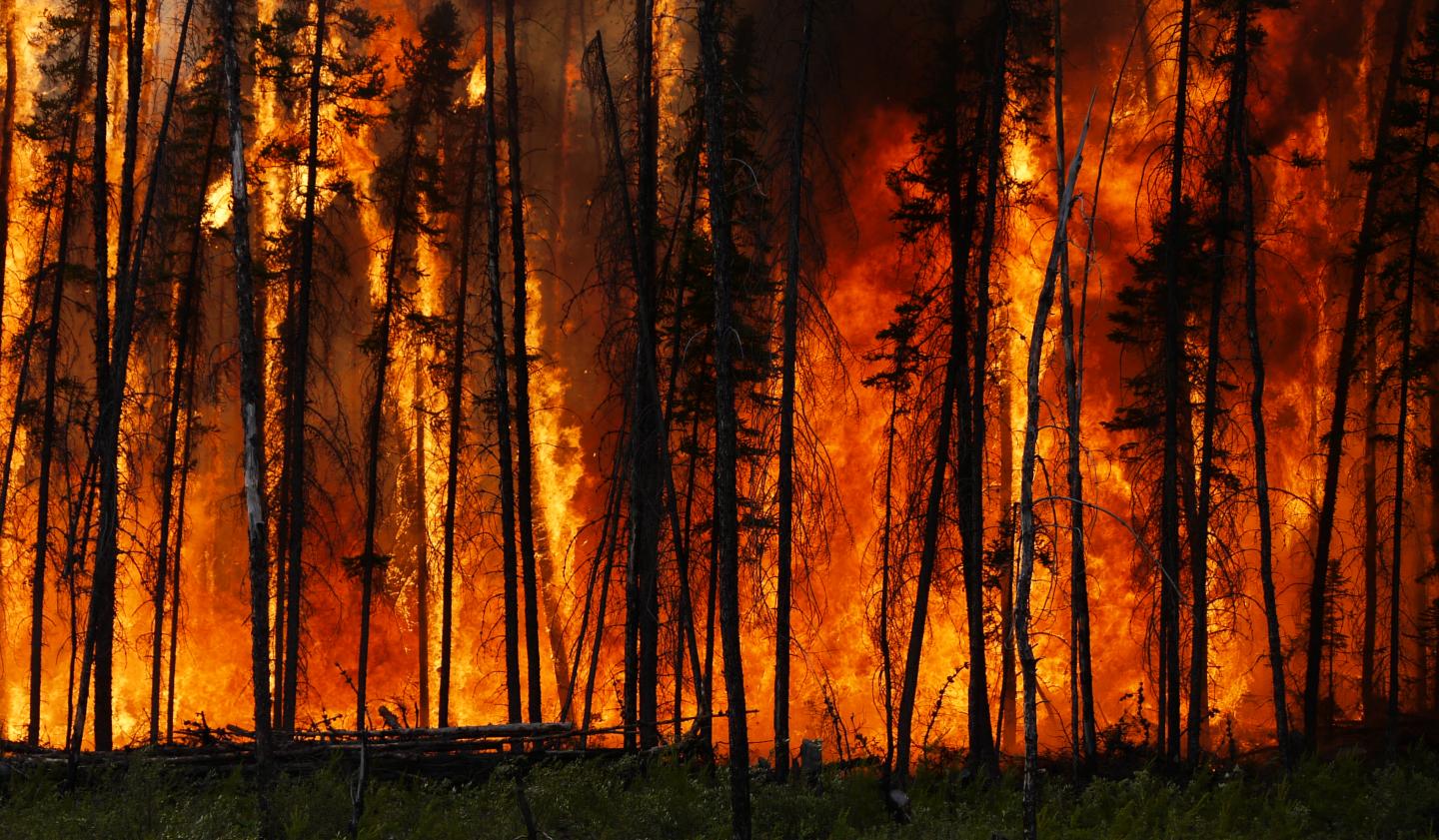
Credit: Stefan Doerr via Immageo, CC BY-ND 3.0

A new study shows that air pollutants from the smoke of fires from as far as Canada and the southeastern U.S. traveled hundreds of miles and several days to reach Connecticut and New York City, where it caused significant increases in pollution concentrations.

For the study, published 21 January in the European Geosciences Union (EGU) journal Atmospheric Chemistry and Physics, researchers in the lab of Drew Gentner, associate professor of chemical & environmental engineering, monitored the air quality at the Yale Coastal Field Station in Guilford, CT and four other sites in the New York metropolitan area. In August of 2018, they observed two spikes in the presence of air pollutants – both coinciding with New York-area air quality advisories for ozone. The pollutants were the kind found in the smoke of wildfires and controlled agricultural burning. Using three types of evidence – data from the observation sites, smoke maps from satellite imagery, and backtracking 3-D models of air parcels (both the maps and models were produced by the National Oceanic and Atmospheric Administration) – the researchers traced the pollutants’ origin in the first event to fires on the western coast of Canada, and in the second event to the southeastern U.S.

Biomass burning, which occurs on a large scale during wildfires and some controlled burns, is a major source of air pollutants that impact air quality, human health, and climate. These events release numerous gases into the atmosphere and produce particulate matter (PM), including black carbon (BC) and other primary organic aerosols (POA) with a diameter of less than 2.5 micrometers. Known as PM2.5, it has been shown to have particularly serious health effects when inhaled.

While more reactive components are often chemically transformed closer to their place of origin, PM2.5 tends to last longer. In the case of this study, that allowed much of it to travel from the fires to the monitoring sites – a period ranging from a few days to about a week.

“Given the sensitivity of people to the health effects emerging from exposure to PM2.5, this is certainly something that needs to be considered as policy-makers put together long-term air quality management plans,” Gentner said.

The impacts of wildfire smoke will likely become increasingly important in the coming years.

“When people are making predictions about climate change, they’re predicting increases in wildfires, so this sort of pollution is likely going to become more common,” said lead author Haley Rogers, who was an undergraduate student when the study was conducted. “So when people are planning for air pollution and health impacts, you can’t just address local sources.”

Although the levels of the PM2.5 decreased over time and distance, co-author Jenna Ditto, a graduate student in Gentner’s lab, noted that awareness of its presence in the atmosphere is critical to public health.

“Studies indicate that there are no safe levels of PM2.5, so typically any level of it is worth taking a look at,” she said.

###

Please mention the name of the publication (Atmospheric Chemistry and Physics) if reporting on this story and, if reporting online, include a link to the paper or to the journal website.

Media Contact
Terri Cook
[email protected]

Original Source

https://www.egu.eu/news/566/air-pollution-in-new-york-city-linked-to-wildfires-hundreds-of-miles-away/

Related Journal Article

http://dx.doi.org/10.5194/acp-20-671-2020

Tags: Atmospheric ScienceClimate ChangeEarth ScienceForestryPollution/Remediation
Share12Tweet8Share2ShareShareShare2

Related Posts

Single mother must adapt swiftly — the survival of her colony depends on it — Biology

Single mother must adapt swiftly — the survival of her colony depends on it

May 15, 2026
Why Are Nearly Everyone Right-Handed? It Might Be Linked to How We Learned to Walk — Biology

Why Are Nearly Everyone Right-Handed? It Might Be Linked to How We Learned to Walk

May 15, 2026

Excessive Neuronal Activity Initiates Severe Autoimmune Brain Disorder

May 15, 2026

Precision Anti-Aging Strategies Focus on Eliminating Harmful Senescent Cells While Preserving Beneficial Ones

May 15, 2026
Please login to join discussion

POPULAR NEWS

  • Research Indicates Potential Connection Between Prenatal Medication Exposure and Elevated Autism Risk

    843 shares
    Share 337 Tweet 211
  • New Study Reveals Plants Can Detect the Sound of Rain

    730 shares
    Share 291 Tweet 182
  • Salmonella Haem Blocks Macrophages, Boosts Infection

    62 shares
    Share 25 Tweet 16
  • Breastmilk Balances E. coli and Beneficial Bacteria in Infant Gut Microbiomes

    58 shares
    Share 23 Tweet 15

About

We bring you the latest biotechnology news from best research centers and universities around the world. Check our website.

Follow us

Recent News

Perinatal and Early Childhood Factors in PFAPA Persistence

New Actinomycin Derivatives Target Malaria More Selectively

Mobile App Enhances Exercise for Older Adults’ Cognition

Subscribe to Blog via Email

Enter your email address to subscribe to this blog and receive notifications of new posts by email.

Join 82 other subscribers
  • Contact Us

Bioengineer.org © Copyright 2023 All Rights Reserved.

Welcome Back!

Login to your account below

Forgotten Password?

Retrieve your password

Please enter your username or email address to reset your password.

Log In
No Result
View All Result
  • Homepages
    • Home Page 1
    • Home Page 2
  • News
  • National
  • Business
  • Health
  • Lifestyle
  • Science

Bioengineer.org © Copyright 2023 All Rights Reserved.