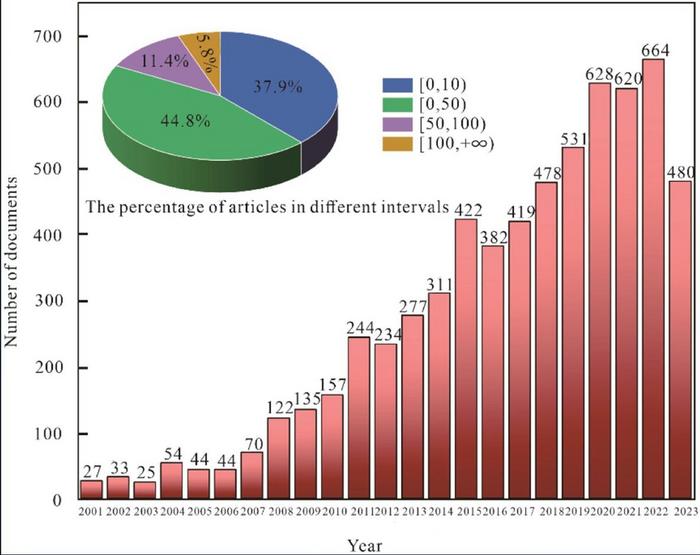
Hydrothermal pretreatment, a cutting-edge technology, is at the forefront of current research in biomass conversion. This process utilizes high-temperature water or steam to deconstruct lignocellulosic materials effectively, making it a crucial player in the quest for sustainable energy sources. The recent bibliometric analysis encompassing over 6,400 articles published between 2000 and 2023 showcases a remarkable upward trajectory in global research efforts centered around this innovative technique. As interest surges, a clearer picture emerges of how hydrothermal pretreatment is revolutionizing the biorefinery landscape.
In the relentless pursuit of green technologies, hydrothermal pretreatment stands out for its efficiency and the environmental benefits it offers. Unlike traditional chemical methods that often result in hazardous waste, this method relies solely on hot water or steam, thus minimizing ecological footprints. The bibliometric study that has illuminated these findings reveals that China has become a beacon of research in this area, collectively contributing 36.5% of the global hydrothermal pretreatment publications. Such statistics underscore not just a national commitment to environmental sustainability but also signal China’s burgeoning role in the global green technology arena.
Alongside China, the United States and Japan represent the second and third largest contributors to this field, with publication rates of 14.6% and 8.2%, respectively. This triad of countries has emerged as the nucleus of advanced research, showcasing a dedicated collaborative framework established to enhance sustainable biomass conversion techniques. The interdependence between these countries in research outputs highlights an essential dynamic in which knowledge and technology are shared, fostering further advancements and innovations that drive biorefinery processes.
Another prominent theme within the hydrothermal pretreatment discourse is the integration of biorefinery processes, which aims to maximize the utility of biomass in a circular economy. By developing systems that utilize all components of biomass, researchers are paving the way for a more sustainable model of energy production, where waste is minimized, and every element is regarded as a potential resource. This holistic approach could not only enhance the profitability of biorefineries but also contribute significantly to reducing overall carbon emissions associated with energy production.
Perpetuating this movement towards sustainable practices are leading institutions like the Chinese Academy of Sciences, which has recorded an impressive 245 publications on the subject. Its leadership in research output exemplifies a comprehensive strategy that emphasizes collaboration, funding allocation, and policy support aimed at steering innovation in hydrothermal technologies. Meanwhile, institutions like Universidade de Vigo and the United States Department of Energy also play pivotal roles in advancing the field, highlighting the collaborative nature of contemporary scientific research.
Continuing research into hydrothermal pretreatment emphasizes its non-toxic attributes as compared to traditional biochemical methods. As the world grapples with the implications of climate change and seeks to transition to renewable energy, the environmental advantages of hydrothermal processing cannot be overstated. The avoidance of strong acids or other hazardous chemicals in the pretreatment process means less waste and fewer risks to human health and ecosystems.
Perhaps one of the most profound impacts of hydrothermal pretreatment is its ability to enhance the enzymatic hydrolysis of biomass. By pre-treating lignocellulosic biomass, researchers have observed significantly higher yields of fermentable sugars, which are essential precursors in the production of biofuels. This not only signifies a breakthrough in efficiency but also reflects a critical innovation required for the transition towards a bio-based economy, which could mitigate dependence on fossil fuels.
The ongoing growth and evolution of hydrothermal pretreatment research serve as a harbinger of a promising future for renewable energy. As collaboration between countries and institutions strengthens, innovative solutions are likely to emerge that will reshape the energy landscape. This continued advancement is crucial as global demands for clean energy sources escalate, underlining the urgency with which researchers must operate.
To this end, it is pivotal for researchers and institutions to maintain their momentum, pursuing interdisciplinary collaborations that will unify the various branches of science necessary for advancing hydrothermal pretreatment. By harnessing the collective expertise across fields such as chemical engineering, environmental science, and materials science, researchers can enhance the efficacy of hydrothermal processes and address challenges that lie ahead.
In summary, the bibliometric analysis illustrates a clear trajectory of growth and advancement within the realm of hydrothermal pretreatment research. With clear leadership from countries like China and the United States and the ongoing commitment to research and development, there lies a real opportunity to forge a sustainable energy future. As these studies propel the field forward, hydrothermal pretreatment stands as a cornerstone of the transition toward a more sustainable, circular economy.
Subject of Research: Not applicable
Article Title: Global evolution of research on autohydrolysis (hydrothermal) pretreatment as a green technology for biorefineries: A bibliometric analysis
News Publication Date: 15-Dec-2025
Web References: Not applicable
References: Not applicable
Image Credits: Credit: Co-Innovation Center of Efficient Processing and Utilization of Forest Resources, Nanjing Forestry University, Nanjing 210037, China
Keywords
Bibliometrics, Hydrothermal pretreatment, Biorefineries, Sustainable energy, Biomass conversion, Environmental technology.
Tags: Bibliometric analysisBiomass conversionBiorefineriesCircular economyEnvironmental technologyEnzymatic hydrolysisGlobal research collaborationGreen technologyHydrothermal pretreatmentLignocellulosic biomassPretreatment optimization.Sustainable Energy