• HOME
  • NEWS
  • EXPLORE
    • CAREER
      • Companies
      • Jobs
    • EVENTS
    • iGEM
      • News
      • Team
    • PHOTOS
    • VIDEO
    • WIKI
  • BLOG
  • COMMUNITY
    • FACEBOOK
    • INSTAGRAM
    • TWITTER
Thursday, May 14, 2026
BIOENGINEER.ORG
No Result
View All Result
  • Login
  • HOME
  • NEWS
  • EXPLORE
    • CAREER
      • Companies
      • Jobs
        • Lecturer
        • PhD Studentship
        • Postdoc
        • Research Assistant
    • EVENTS
    • iGEM
      • News
      • Team
    • PHOTOS
    • VIDEO
    • WIKI
  • BLOG
  • COMMUNITY
    • FACEBOOK
    • INSTAGRAM
    • TWITTER
  • HOME
  • NEWS
  • EXPLORE
    • CAREER
      • Companies
      • Jobs
        • Lecturer
        • PhD Studentship
        • Postdoc
        • Research Assistant
    • EVENTS
    • iGEM
      • News
      • Team
    • PHOTOS
    • VIDEO
    • WIKI
  • BLOG
  • COMMUNITY
    • FACEBOOK
    • INSTAGRAM
    • TWITTER
No Result
View All Result
Bioengineer.org
No Result
View All Result
Home NEWS Science News Biology

A study compares how water is managed in Spain, California and Australia

Bioengineer by Bioengineer
November 25, 2019
in Biology
Reading Time: 3 mins read
0
IMAGE
Share on FacebookShare on TwitterShare on LinkedinShare on RedditShare on Telegram

IMAGE

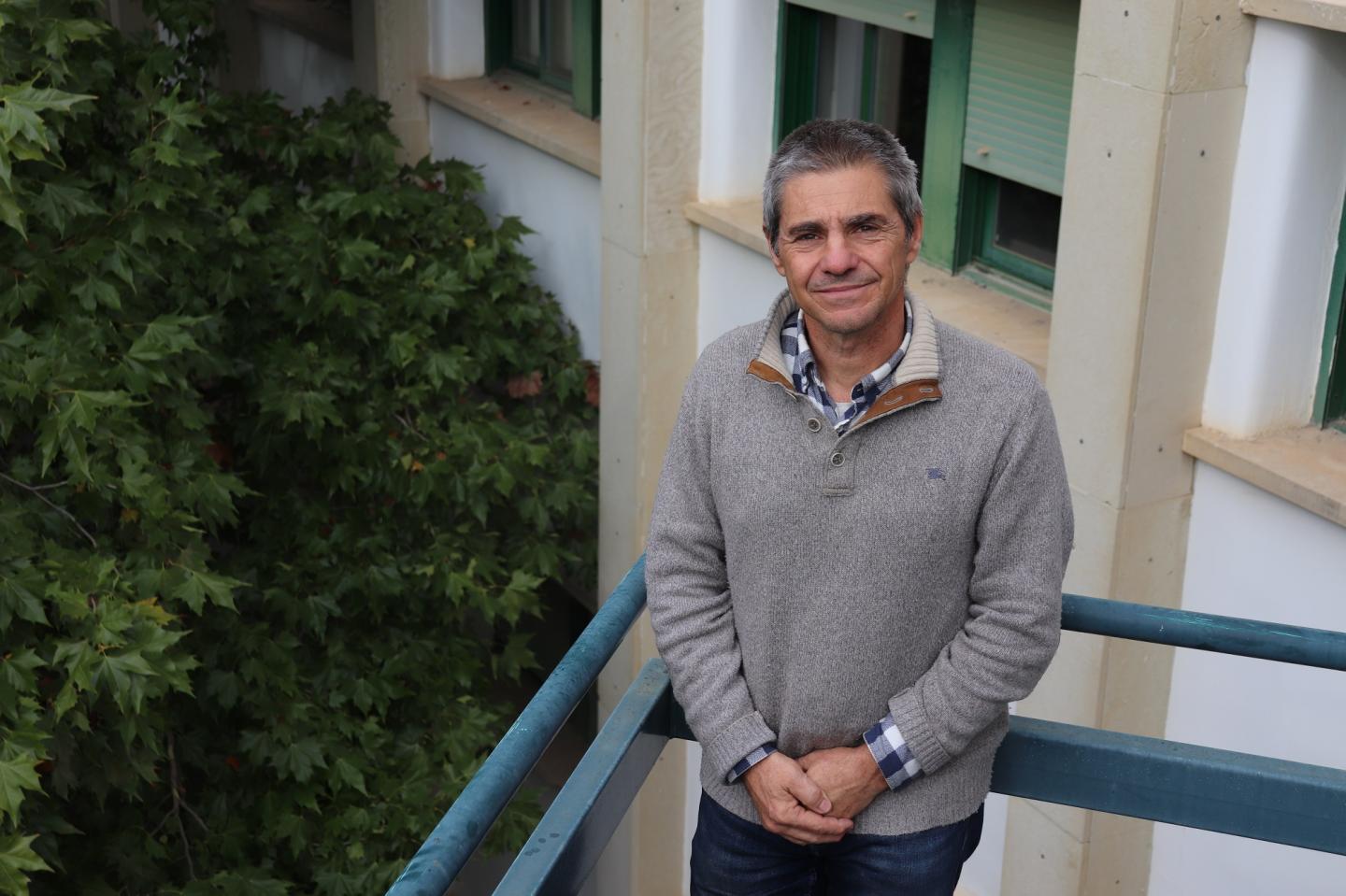
Credit: Universidad de Córdoba

Turning on the faucet and having water come out has become such a common daily occurrence that nobody stops to think about it. In times of abundance, everything goes smoothly. However, when rain is scarce or almost inexistent and reservoir capacity diminishes considerably, that is when alarm bells are set off and governments scramble trying to find a solution. As they say, you don’t know what you´ve got until it’s gone.

A research project at the University of Cordoba analyzed and compared legislative changes in water management that occurred in Spain, California and the Murray Darling Basin in Australia over the last few years. The study demonstrated the following: big legislative reforms in water management in these three areas have always come about as a consequence of important droughts.

Though these three regions have similar climates, agriculture and water scarcity problems, the truth is that the way they deal with them is quite different. In many cases, above all on a technical level, they coincide. “In all three zones they use recycled, desalinated water and drip irrigation. However, the institutional and legal framework differs,” clarifies Julio Berbel, Professor of Agricultural Economics at the University of Cordoba and lead author of the study.

One of the main differences lies in how water ownership is managed and how the market is regulated in this field. In Australia, water is private and there has been a strong, loosely regulated water market for years in which rights to use subterranean water and river water can be bought and sold. In California, the issue is even more complicated. Water is considered to be a private asset but there are several conflicts of rights as to who can use it. In contrast, in Spain, river water was declared a public resource in 1985 and water trade was banned until 2005, at which time the market opened up slightly in order to tackle a large hydrological crisis, though it is still extremely regulated.

The study concludes that in the three regions there is a tendency to overexploit all subterranean and surface bodies of water, despite legislation. Nevertheless, if he had to choose a model, researcher Julio Berbel would opt for the Spanish one. “In Australia and California, they have not defined the concept of ecological flow well, which is what indicates the minimum level of water needed to conserve the plant and animal ecosystem of a river,” he explains. In Australia’s Murray Darling region, water is extremely scarce. In the case of California, the Colorado river is so overused that, in its last segment, water is so scarce that it doesn’t even reach the sea.

Despite problems in Spain not being as serious, legislation can continue to improve by adopting measures that work in the other two regions and that will be necessary in future droughts, occurrences that will become more and more common due to climate change. According to Berbel, Spain could learn from Australia’s flexibility and dynamism in its water market and from California’s aquifer recharge system. “I truly hope we do not have to wait for the next drought to implement some of these improvements,” he concludes.

###

Julio Berbel, Encarna Esteban. Droughts as a catalyst for water policy change. Analysis of Spain, Australia (MDB), and California. Global Environmental Change. DOI: 10.1016/j.gloenvcha.2019.101969

Media Contact
Elena Lázaro
[email protected]
34-957-212-252

Original Source

https://www.uco.es/ucci/es/noticias-ingles/item/2744-a-study-compares-how-water-is-managed-in-spain-california-and-australia

Related Journal Article

http://dx.doi.org/10.1016/j.gloenvcha.2019.101969

Tags: Agricultural Production/EconomicsAgricultureAtmospheric ScienceClimate ChangeEarth ScienceHydrology/Water ResourcesPolicy/EthicsWeather/Storms
Share12Tweet8Share2ShareShareShare2

Related Posts

“‘Last Titan’: Discovery of Southeast Asia’s Largest Dinosaur Unveiled” — Biology

“‘Last Titan’: Discovery of Southeast Asia’s Largest Dinosaur Unveiled”

May 14, 2026
Study Offers In-Depth Analysis of Changes in Toxin-Producing Phytoplankton Populations — Biology

Study Offers In-Depth Analysis of Changes in Toxin-Producing Phytoplankton Populations

May 14, 2026

UMass Chan Scientists Pioneer Gene Editing Technology That Rewrites Entire Genome Chapters

May 13, 2026

Scientists Observe Rice Plants Capturing and Eliminating Fall Armyworm Caterpillars

May 13, 2026
Please login to join discussion

POPULAR NEWS

  • Research Indicates Potential Connection Between Prenatal Medication Exposure and Elevated Autism Risk

    842 shares
    Share 337 Tweet 211
  • New Study Reveals Plants Can Detect the Sound of Rain

    729 shares
    Share 291 Tweet 182
  • Salmonella Haem Blocks Macrophages, Boosts Infection

    62 shares
    Share 25 Tweet 16
  • Breastmilk Balances E. coli and Beneficial Bacteria in Infant Gut Microbiomes

    57 shares
    Share 23 Tweet 14

About

We bring you the latest biotechnology news from best research centers and universities around the world. Check our website.

Follow us

Recent News

Sleep Patterns Reveal Insights on Aging Clocks

Real-Time Digital Techniques Quantify Sensor Uncertainty

Chinese Medical Journal Study Highlights Escalating Neurological Disease Burden in China

Subscribe to Blog via Email

Enter your email address to subscribe to this blog and receive notifications of new posts by email.

Join 82 other subscribers
  • Contact Us

Bioengineer.org © Copyright 2023 All Rights Reserved.

Welcome Back!

Login to your account below

Forgotten Password?

Retrieve your password

Please enter your username or email address to reset your password.

Log In
No Result
View All Result
  • Homepages
    • Home Page 1
    • Home Page 2
  • News
  • National
  • Business
  • Health
  • Lifestyle
  • Science

Bioengineer.org © Copyright 2023 All Rights Reserved.