• HOME
  • NEWS
  • EXPLORE
    • CAREER
      • Companies
      • Jobs
    • EVENTS
    • iGEM
      • News
      • Team
    • PHOTOS
    • VIDEO
    • WIKI
  • BLOG
  • COMMUNITY
    • FACEBOOK
    • INSTAGRAM
    • TWITTER
Sunday, July 5, 2026
BIOENGINEER.ORG
No Result
View All Result
  • Login
  • HOME
  • NEWS
  • EXPLORE
    • CAREER
      • Companies
      • Jobs
        • Lecturer
        • PhD Studentship
        • Postdoc
        • Research Assistant
    • EVENTS
    • iGEM
      • News
      • Team
    • PHOTOS
    • VIDEO
    • WIKI
  • BLOG
  • COMMUNITY
    • FACEBOOK
    • INSTAGRAM
    • TWITTER
  • HOME
  • NEWS
  • EXPLORE
    • CAREER
      • Companies
      • Jobs
        • Lecturer
        • PhD Studentship
        • Postdoc
        • Research Assistant
    • EVENTS
    • iGEM
      • News
      • Team
    • PHOTOS
    • VIDEO
    • WIKI
  • BLOG
  • COMMUNITY
    • FACEBOOK
    • INSTAGRAM
    • TWITTER
No Result
View All Result
Bioengineer.org
No Result
View All Result
Home NEWS Science News Health

A ‘cell-less’ therapy may regenerate heart tissue without cell transplant risks

Bioengineer by Bioengineer
September 16, 2020
in Health
Reading Time: 2 mins read
0
IMAGE
Share on FacebookShare on TwitterShare on LinkedinShare on RedditShare on Telegram

IMAGE

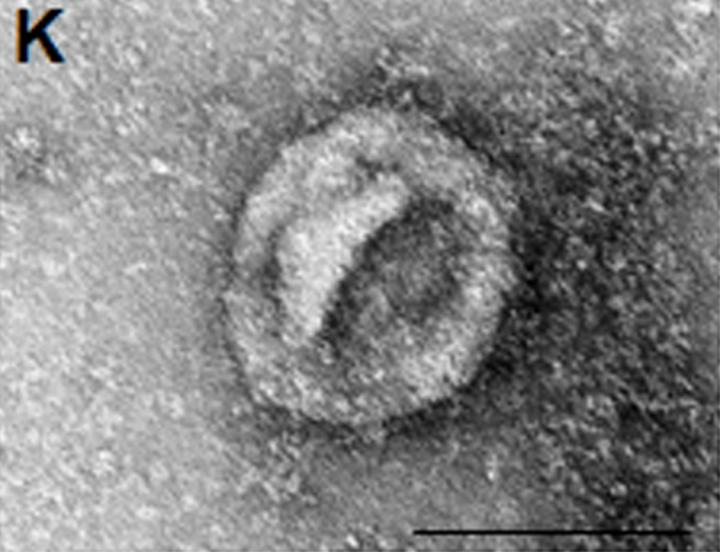
Credit: L. Gao et al., Science Translational Medicine (2020)

Ling Gao and colleagues have developed a strategy that uses exosomes – tiny membrane-bound sacs secreted by cells – to mimic the heart-regenerating effects of cardiac cell transplants, while potentially avoiding risks associated with whole-cell transplants. Their approach, which accelerated recovery from heart attack in pigs, could address issues with safety and effectiveness that have prevented whole-cell heart therapies from reaching clinical adoption. In recent years, researchers have explored the possibility of using transplants of heart cells grown from induced pluripotent stem cells to heal cardiac tissue in the aftermath of events such as heart attacks. However, transplanted heart cells often fail to engraft within the recipient and perish after a few days. Clinicians also remain worried that the cells that do engraft could cause severe health issues like arrythmia and even contribute to the formation of tumors in the long run. Instead of transplanting whole cells, Gao et al. tackled these issues by only administering exosomes, or tiny containers for proteins and DNA that are secreted by cells. Specifically, they isolated exosomes from three types of human heart cells – smooth muscle cells, cardiomyocytes, and endothelial cells – and injected them into the hearts of pigs after heart attack. Pigs that received the exosomes recovered more heart function and showed smaller scars compared with untreated animals and improved as well as pigs that received whole cell transplants. Gao et al. say that the acellular exosomes “could enable physicians to exploit the cardioprotective and reparative properties of hiPSC-derived cells while avoiding complexities associated with cell storage, transportation, and immune rejection.”

###

Media Contact
Science Press Package Team
[email protected]

Related Journal Article

http://dx.doi.org/10.1126/scitranslmed.aay1318

Tags: Medicine/Health
Share12Tweet8Share2ShareShareShare2

Related Posts

Lysine Pyruvylation Links Glycolysis to Epigenetics

July 4, 2026

Personalized Neoantigen Dendritic Cell Vaccine in Glioblastoma

July 4, 2026

Decoding Neural Timescales: A Computational Viewpoint

July 4, 2026

Uncovering C5aR2: Unique Signaling and Agonists

July 4, 2026
Please login to join discussion

POPULAR NEWS

  • Detection of EDCs in Breast Milk and Infant Urine Up to Six Months Highlights Early Exposure Risks

    77 shares
    Share 31 Tweet 19
  • Saying Goodbye to PGY-6: Pediatric Fellowship Realities

    103 shares
    Share 41 Tweet 26
  • New Drug Candidate Developed at McMaster Shows Potential for Treating Brain Cancer

    58 shares
    Share 23 Tweet 15
  • KTU Researchers Explore Ultrasound’s Role in Enhancing Blood Flow Beyond Diagnostics

    53 shares
    Share 21 Tweet 13

About

We bring you the latest biotechnology news from best research centers and universities around the world. Check our website.

Follow us

Recent News

Quasi-Bound States Boost Quantum Well Photoresponse

Lysine Pyruvylation Links Glycolysis to Epigenetics

Multiphysics Coupling: Single vs. Multiple DeepONet Branches

Subscribe to Blog via Email

Success! An email was just sent to confirm your subscription. Please find the email now and click 'Confirm' to start subscribing.

Join 83 other subscribers
  • Contact Us

Bioengineer.org © Copyright 2023 All Rights Reserved.

Welcome Back!

Login to your account below

Forgotten Password?

Retrieve your password

Please enter your username or email address to reset your password.

Log In
No Result
View All Result
  • Homepages
    • Home Page 1
    • Home Page 2
  • News
  • National
  • Business
  • Health
  • Lifestyle
  • Science

Bioengineer.org © Copyright 2023 All Rights Reserved.