New call for funding, advocacy for botanical gardens to lead efforts to avert plant extinction
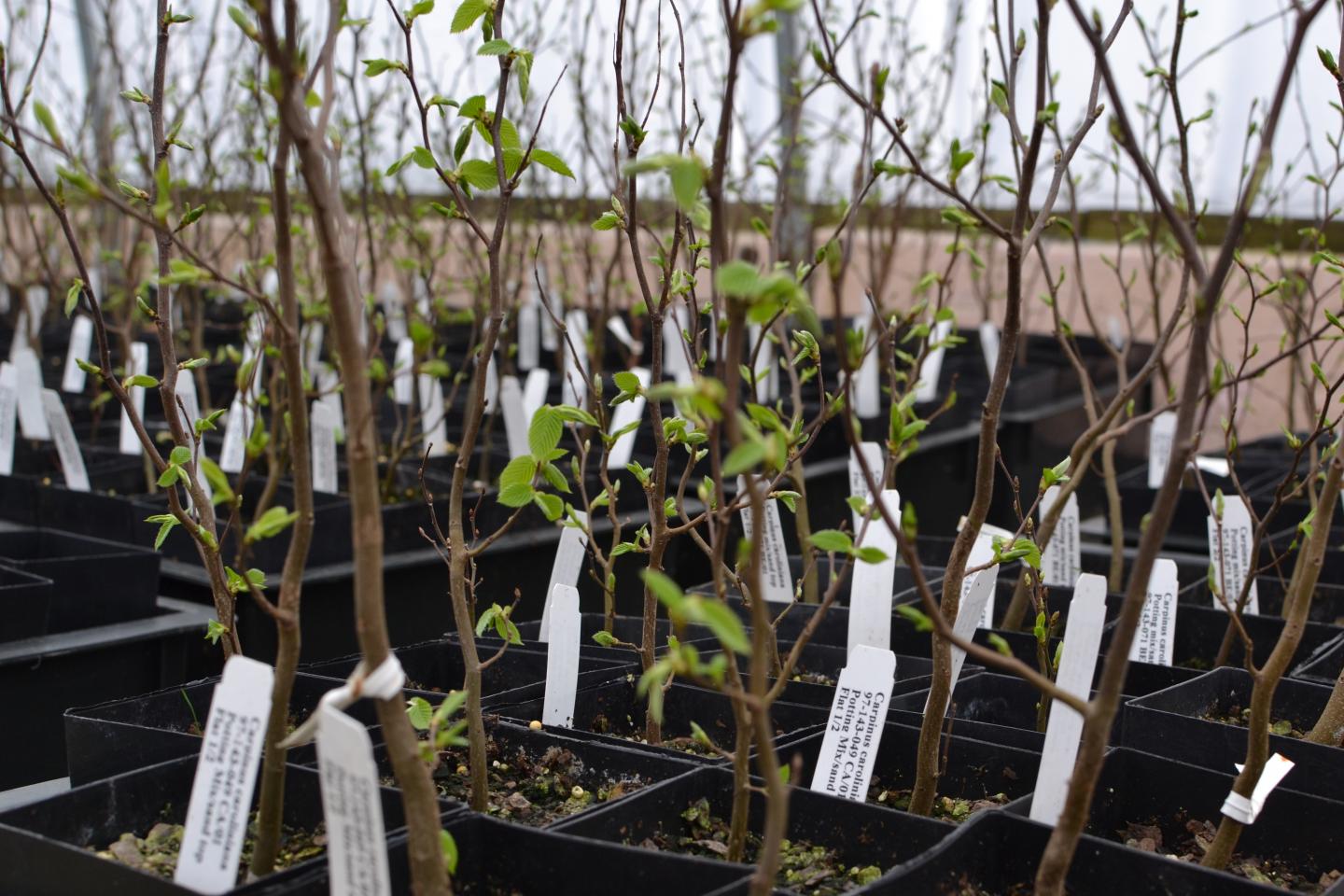
Credit: © The Morton Arboretum
LISLE, Ill. (August 25) – The world is experiencing a sixth global mass extinction event, and a new paper advocates that botanical gardens are uniquely positioned to preserve the world’s plant diversity.
In a paper published in Plants, People, Planet, The Morton Arboretum scientists Murphy Westwood, Ph.D., and Nicole Cavender, Ph.D., in collaboration with Abby Meyer, and Paul Smith, Ph.D., from Botanic Gardens Conservation International (BGCI), detail how botanical gardens have the skills and knowledge, facilities, plant collections, and access to the public required to advance plant conservation, but lack the funding and public recognition necessary to achieve significant impact on global conservation.
“Although gardens are the ideal organizations to take on the significant challenges that come with preserving the world’s plant diversity, their conservation efforts remain chronically underfunded,” explained Westwood, Director of Global Tree Conservation at The Morton Arboretum. “There is a need for not only more funding for garden-led plant conservation initiatives, but also more reliable, long-term, steady funding sources that reflect the time scales necessary to secure threatened plant species, especially long-lived plants like trees,” she added.
According to the authors, more than 20% of plant species are threatened with extinction, and Earth is losing species before they can even be described. In response to this crisis, the paper indicates that botanical gardens are increasingly placing the conservation of plant diversity at the center of their missions, programming, and collections.
Botanical gardens, including arboreta, today hold at least one-third of known plant species in their collections, including more than 40% of threatened species. Approximately 60,000 plant scientists and specialized horticulturists provide expertise and manage world-class facilities at gardens around the world. The paper indicates that botanical gardens have the most sophisticated conservation infrastructure in the world, running vital recovery programs for threatened species while also educating a growing public audience of over half a billion visitors each year.
“Botanical gardens and arboreta are hubs of expertise, and the critical link between people and plants,” said Westwood. “But gardens will not be able to achieve the results needed to avert the global plant extinction crisis without a revolution in the way resources, funding, and public attention are focused.”
The garden community has already proven that it can lead conservation initiatives, say the authors, but they stress that these efforts will be insufficient without added capacity to scale and amplify this impact worldwide. They urge gardens to be stronger advocates for themselves in local politics to secure a seat at the environmental decision-making table, but the authors also call for much greater support from the public, funders, and corporations to center botanical gardens in global plant conservation efforts.
“Now, more than ever, there is an urgent need for our trusted botanical institutions and the critical role they play in a scientifically informed, coordinated, global effort to save plants from extinction–because all life depends on plants,” Westwood stressed.
###
About The Morton Arboretum
The Morton Arboretum is an internationally recognized outdoor tree museum and tree research center in Lisle, Illinois. Its 1,700 acres include 16 miles of hiking trails, a Children’s Garden, educational exhibits, a Visitor Center and specialty tree and plant collections. The nonprofit 501(c)(3) organization serves 1.2 million visitors annually. Information about exhibitions, events and admission is available at mortonarb.org.
About BGCI
Botanic Gardens Conservation International (BGCI) is the world’s largest plant conservation network with 625 member institutions in 100+ countries employing more than 60,000 plant scientists and horticultural experts. Its members include the largest, most renowned botanical institutions on the planet-Atlanta, Kew, New York, Missouri, The Morton Arboretum, Shanghai, Singapore and Sydney-but they also include hundreds of smaller botanical and forestry institutions in the world’s plant diversity hotspots. All of its member organizations share a commitment to environmental sustainability and preventing plant species extinctions. http://www.
Media Contact
Tyler Prich
[email protected]
Original Source
https:/
Related Journal Article
http://dx.