Credit: Children's Hospital of Philadelphia
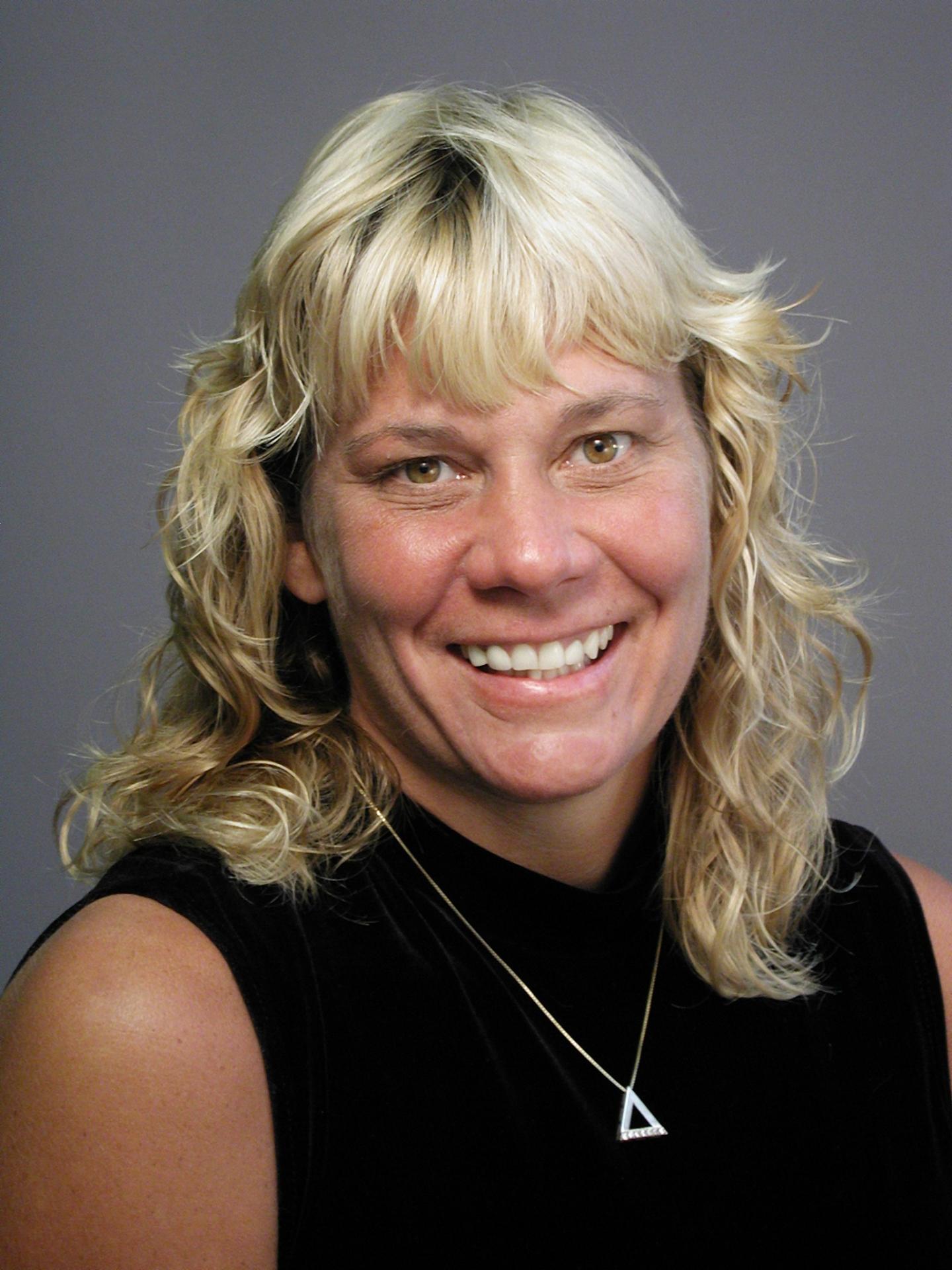
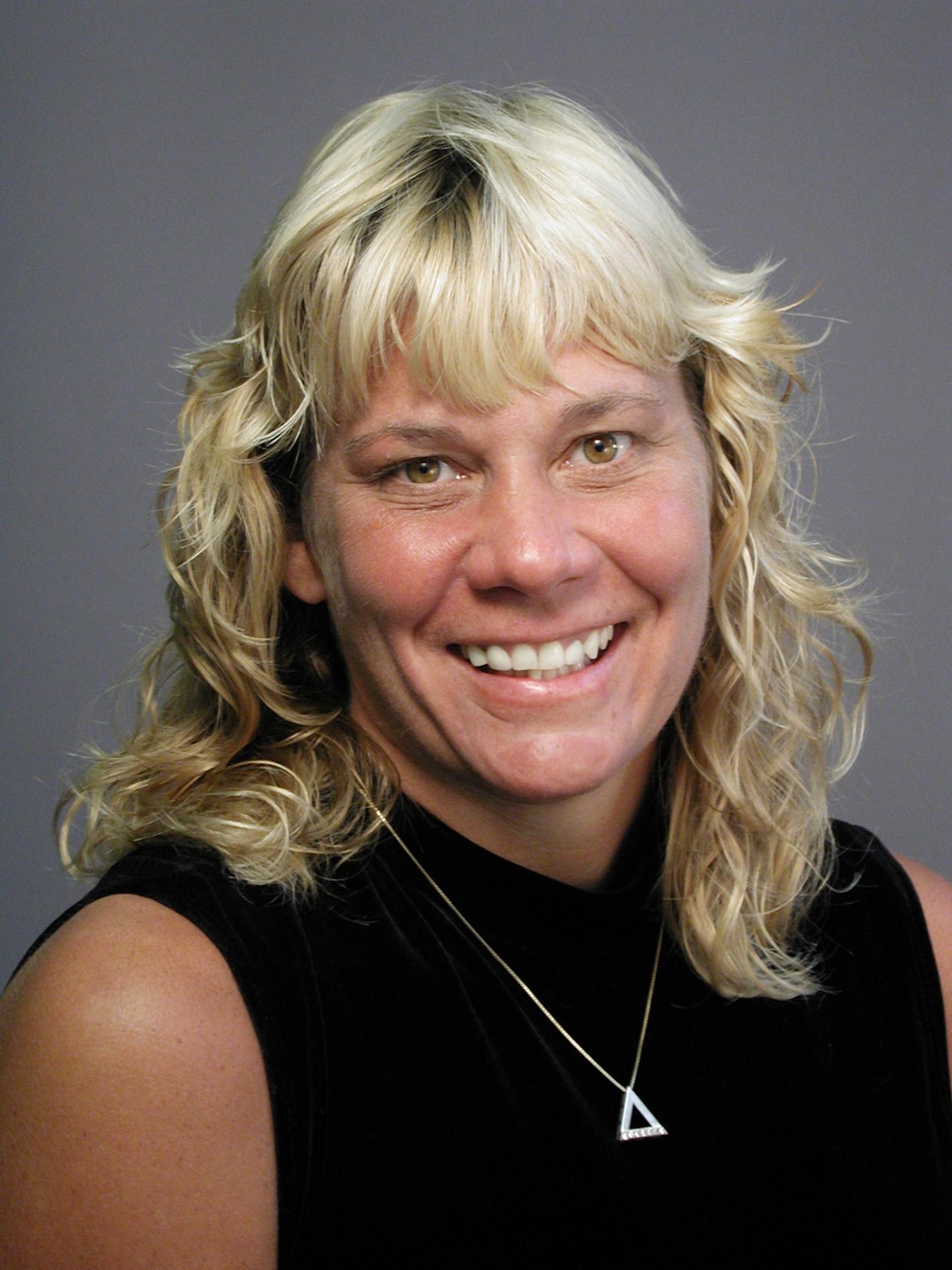
Mothers of critically ill infants may not receive necessary breastfeeding support, because their babies may be taken directly to a newborn intensive care unit or to surgery. Dr. Diane Spatz, Nurse Researcher & Director of the Lactation Program at Children's Hospital of Philadelphia (CHOP), presents an alternative model for health care providers that focuses on serving the needs of vulnerable infants who are hospitalized and separated from their mothers.
Many of these newborns are born preterm or with birth defects or other critical conditions. Spatz drew on her own extensive clinical experience and on research findings from the National Institutes of Health to create the Spatz 10-Step and Breastfeeding Resource Nurse Model to Improve Human Milk and Breastfeeding Outcomes which can guide all health professionals. The research was recently published in the April/June 2018 edition of the Journal of Perinatal and Neonatal Nursing, for which Dr. Spatz also served as guest editor.
The 10-Step Model consists of informed decision, establishment and maintenance of milk supply, human milk management, oral care and feeding of human milk, skin-to-skin care, non-nutritive sucking, transition to breast, measuring milk transfer, preparation for discharge and appropriate follow-up. The 10-step model has been implemented for more than 10 years at CHOP, as well as in other neonatal intensive care units across the U.S. and around the world.
"Because nurses are the largest health profession globally and in the U.S., nurses should play a critical role in providing evidence-based lactation care and support," said Spatz. "At CHOP, we developed a specialized educational and training program so that nurses across the institution could implement the 10-step model effectively."
The Baby-Friendly Hospital Initiative (BFHI) was established in 1991 as a worldwide program to incentive maternity facilities to adhere to the Ten Steps to Successful Breastfeeding and comply with the International Code of Marketing of Breast Milk Substitutes. The U.S. has only recently seen an increase in hospitals seeking BFHI designation, and globally the number of BFHI facilities is less than 10 percent. BFHI focuses primarily on heathy mother-infant pairs.
"Our research demonstrates that nurses at CHOP are empowered through the Breastfeeding Nurse Program and they strive to advocate for breastfeeding families and support their peers in delivering optimal, evidence-based lactation care and support as part of their daily practice," Spatz added.
###
Diane L. Spatz "Beyond BFHI: The Spatz 10-Step and Breastfeeding Resource Nurse Model to Improve Human Milk and Breastfeeding Outcomes. Journal of Perinatal and Neonatal Nursing, April/June 2018. Doi:10.1097/JPN.0000000000000339
Children's Hospital of Philadelphia was founded in 1855 as the nation's first pediatric hospital. Today, CHOP is a 546-bed hospital as well as a 50-location Care Network. Through its commitment to providing exceptional, family-centered care, training new generations of pediatric healthcare leaders, and pioneering major research advances, Children's Hospital is home to many breakthroughs that have benefited children worldwide. Its pediatric research program is among the largest in the country. Its commitment to community service and influence on public policy have earned CHOP recognition as a leading advocate for children. As a nonprofit charitable organization, Children's Hospital relies on donor support to advance its mission – making a difference in the lives of children everywhere. For more information, visit http://www.chop.edu.
Media Contact
Joey McCool Ryan
[email protected]
267-426-6070
@chop_research
http://www.chop.edu
Related Journal Article
http://dx.doi.org/10.1097/JPN.0000000000000339