• HOME
  • NEWS
  • EXPLORE
    • CAREER
      • Companies
      • Jobs
    • EVENTS
    • iGEM
      • News
      • Team
    • PHOTOS
    • VIDEO
    • WIKI
  • BLOG
  • COMMUNITY
    • FACEBOOK
    • INSTAGRAM
    • TWITTER
Monday, April 6, 2026
BIOENGINEER.ORG
No Result
View All Result
  • Login
  • HOME
  • NEWS
  • EXPLORE
    • CAREER
      • Companies
      • Jobs
        • Lecturer
        • PhD Studentship
        • Postdoc
        • Research Assistant
    • EVENTS
    • iGEM
      • News
      • Team
    • PHOTOS
    • VIDEO
    • WIKI
  • BLOG
  • COMMUNITY
    • FACEBOOK
    • INSTAGRAM
    • TWITTER
  • HOME
  • NEWS
  • EXPLORE
    • CAREER
      • Companies
      • Jobs
        • Lecturer
        • PhD Studentship
        • Postdoc
        • Research Assistant
    • EVENTS
    • iGEM
      • News
      • Team
    • PHOTOS
    • VIDEO
    • WIKI
  • BLOG
  • COMMUNITY
    • FACEBOOK
    • INSTAGRAM
    • TWITTER
No Result
View All Result
Bioengineer.org
No Result
View All Result
Home NEWS Science News Biology

Breeding trouble: Meta-analysis identifies fishy issues with captive stocks

Bioengineer by Bioengineer
March 13, 2018
in Biology
Reading Time: 2 mins read
0
Share on FacebookShare on TwitterShare on LinkedinShare on RedditShare on Telegram
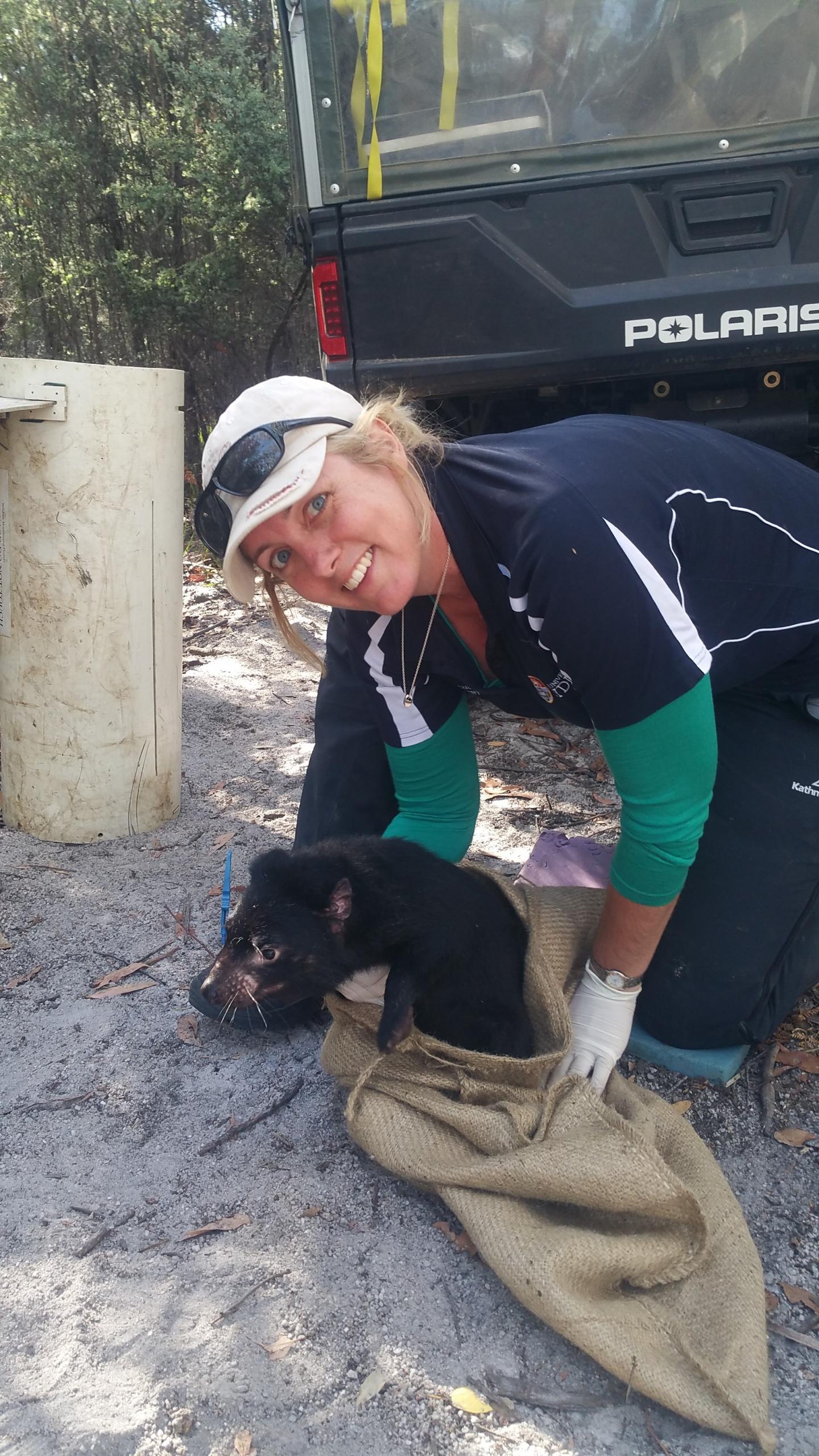
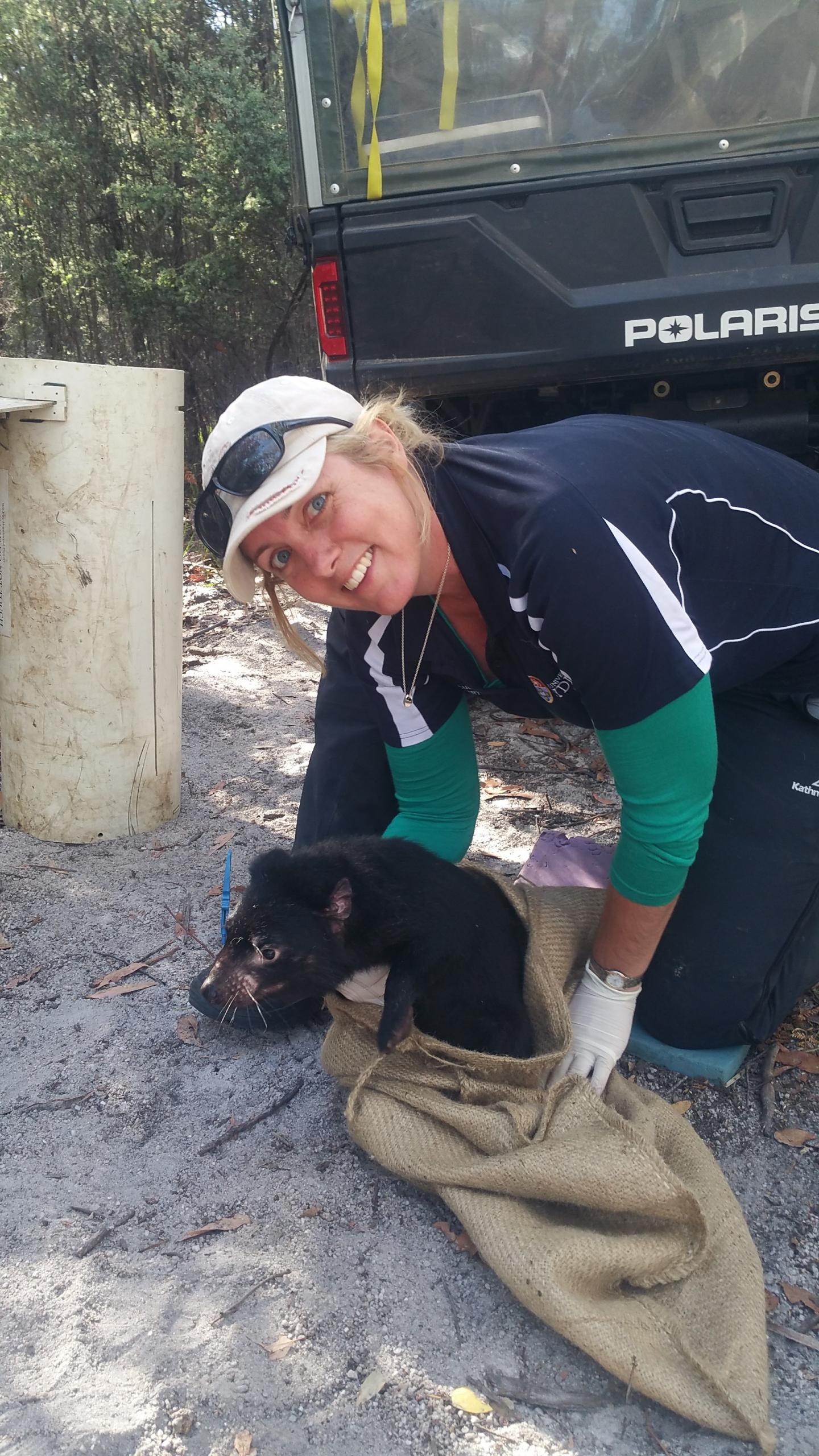
IMAGE

Credit: Phil Wise took the photo on Dr Hogg's camera.

A group of researchers based at the University of Sydney has uncovered patterns that may be jeopardising the long-term success of worldwide animal breeding programs, which increasingly act as an insurance against extinction in conservation, and for food security.

The meta-analysis, led by the University of Sydney's Faculty of Science, found captive-born animals had, on average, almost half the odds of reproductive success compared to their wild-born counterparts in captivity.

In aquaculture, the effects were particularly pronounced, although research and conservation programs showed the same trend.

The study analysed more than 100 results, from 39 animal studies of 44 diverse species including shrimp, fish, mice, ducks, lemurs and Tasmanian devils.

The paper, "A meta-analysis of birth-origin effects on reproduction in diverse captive environments", is published today in Nature Communications.

Dr Catherine Grueber, who supervised the study, said the team was surprised at how universal the patterns were.

"More than 2,000 threatened species rely on successful reproduction through captive breeding programs for conservation alone," said Dr Grueber, from the University of Sydney's School of Life and Environmental Sciences and San Diego Zoo Global.

"In order to maintain our food supply, it's crucial we improve captive breeding; for example, the aquaculture industry is looking at introducing new species for commercialisation."

Lead author, PhD student Ms Kate Farquharson, said the results provide opportunities for improving the long-term success of animal breeding programs.

"Our dataset included measurements of lots of different reproductive traits – such as fertility, number of offspring, and timing of reproduction – but found that certain traits, such as offspring weight and mothering ability, seem to be the most strongly affected," Ms Farquharson said.

"This provides an opportunity for animal breeding programs, by identifying the areas where improvement could boost sustainability."

Research manager at the University of Sydney's Australasian Wildlife Genomics Group, co-author Dr Carolyn Hogg, said the research could be extended by undertaking multi-generational studies.

"Identifying limitations as well as opportunities in captive breeding programs across all industries is an urgent priority," Dr Hogg said.

###

NOTES TO EDITORS

  • The study covered animal breeding programs in aquaculture, conservation and research. It included invertebrates, fish, birds and mammals.
  • Across the animal kingdom, captive-born animals were found to average 42 percent decreased odds of reproductive success, compared to those that are wild-born.
  • Considerable research has explored differences between captive and wild populations; less attention has been given to finding patterns across species.
  • In conservation, captive breeding has been recommended by the International Union for the Conservation of Nature (IUCN) Red List assessors for 2199 species to reduce the threat of extinction.

Media Contact

Vivienne Reiner
[email protected]
61-438-021-390
@SydneyUni_Media

http://www.usyd.edu.au/

Related Journal Article

http://dx.doi.org/10.1038/s41467-018-03500-9

Share12Tweet8Share2ShareShareShare2

Related Posts

A Rare Cause of Cryptorchidism: Recognizing Persistent Müllerian Duct Syndrome

A Rare Cause of Cryptorchidism: Recognizing Persistent Müllerian Duct Syndrome

April 6, 2026
Drug–Microbiome Interactions Affect Parkinson’s Medications

Drug–Microbiome Interactions Affect Parkinson’s Medications

April 6, 2026

Damselfly Mating Strategies Shed Light on Reproductive Barriers

April 4, 2026

Custom Biochar Approaches Enhance Alfalfa Growth and Stress Tolerance in Saline Soils

April 3, 2026
Please login to join discussion

POPULAR NEWS

  • blank

    Revolutionary AI Model Enhances Precision in Detecting Food Contamination

    97 shares
    Share 39 Tweet 24
  • Promising Outcomes from First Clinical Trials of Gene Regulation in Epilepsy

    51 shares
    Share 20 Tweet 13
  • Imagine a Social Media Feed That Challenges Your Views Instead of Reinforcing Them

    1009 shares
    Share 399 Tweet 249
  • Popular Anti-Aging Compound Linked to Damage in Corpus Callosum, Study Finds

    44 shares
    Share 18 Tweet 11

About

We bring you the latest biotechnology news from best research centers and universities around the world. Check our website.

Follow us

Recent News

Charged Molecular Glue Discovery Via Targeted Degron

Willingness to Cut Meat Lowers Emissions

Cold Plasma-Activated Water Battles Breast Cancer Tumors

Subscribe to Blog via Email

Enter your email address to subscribe to this blog and receive notifications of new posts by email.

Join 78 other subscribers
  • Contact Us

Bioengineer.org © Copyright 2023 All Rights Reserved.

Welcome Back!

Login to your account below

Forgotten Password?

Retrieve your password

Please enter your username or email address to reset your password.

Log In
No Result
View All Result
  • Homepages
    • Home Page 1
    • Home Page 2
  • News
  • National
  • Business
  • Health
  • Lifestyle
  • Science

Bioengineer.org © Copyright 2023 All Rights Reserved.