A systematic review in Frontiers in Pharmacology has evaluated the clinical impact of probiotic supplementation across twenty-seven randomized controlled trials involving 1,879 human participants. Conducted by medical and pharmaceutical researchers, the study synthesized trials published between 2016 and March 2026 to assess how microbial therapies alter inflammatory biomarkers and affect neurological, cognitive, and psychiatric outcomes. Across included trials, 973 subjects received active probiotic regimens while 906 individuals served as control comparators receiving placebos, active controls, or standard medical care. The synthesized findings indicate that targeted administration of beneficial bacteria can attenuate circulating pro-inflammatory cytokines, elevate brain-derived neurotrophic factor, and enhance endogenous antioxidant defenses in select clinical groups. However, the authors emphasize that pronounced heterogeneity across bacterial strains, colony-forming unit dosages, treatment durations, and clinical diagnoses currently precludes universal clinical prescriptions for neurological and psychiatric conditions.
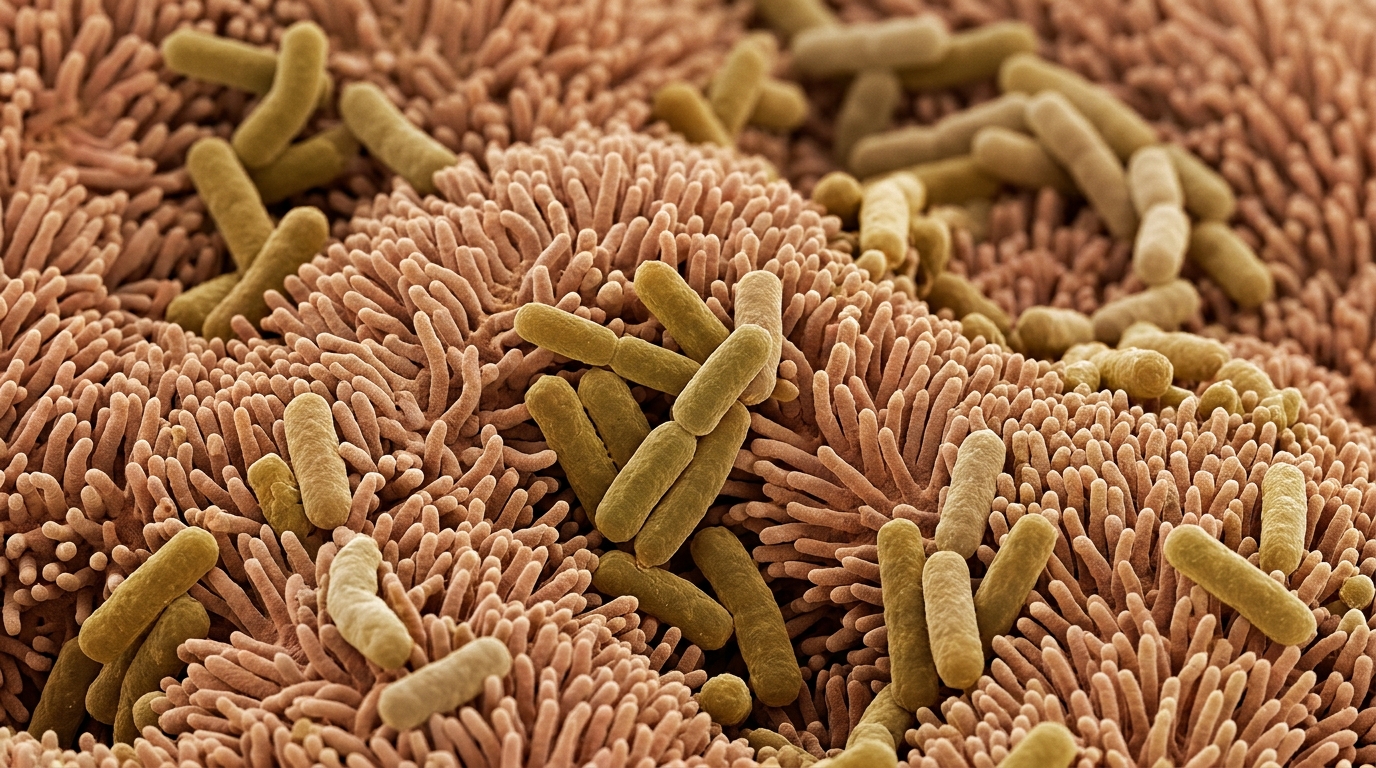
The physiological rationale linking gastrointestinal bacteria to central nervous system function rests on the microbiota-gut-brain axis, a bidirectional communication network operating via neural, immune, circulatory, and endocrine pathways. The human gastrointestinal tract harbors roughly 38 trillion bacterial cells, primarily situated within the colon, that interact with host physiology by processing biochemical compounds and generating neuroactive metabolites. Intestinal microorganisms ferment dietary fibers to synthesize short-chain fatty acids, including acetate, butyrate, and propionate, which modulate neuroplasticity, epigenetics, and gene expression within the central nervous system. In addition, commensal microbes, including specific species of Bifidobacterium, Bacteroides, Parabacteroides, and Escherichia, synthesize or stimulate neurotransmitters like gamma-aminobutyric acid, dopamine, and serotonin. Microbial metabolites also prompt enteroendocrine cells to release regulatory peptides, whereas microbial dysbiosis permits the systemic leakage of endotoxins and pro-inflammatory cytokines, including interleukin-1 beta, interleukin-6, and tumor necrosis factor-alpha, across the blood-brain barrier.
Beyond humoral dissemination, the vagus nerve serves as a direct neuroanatomical conduit linking the gastrointestinal tract to the brainstem. Sensory vagal afferent fibers originate from endings throughout the mucosal lamina propria, muscular layers, and myenteric plexus of the intestinal wall, conveying chemical and mechanical stimuli to the nodose ganglia and the nucleus tractus solitarius. Intraganglionic laminar endings detect mechanical distension, intramuscular arrays track smooth muscle dynamics, and mucosal sensory terminals respond to microbial metabolites and luminal nutrients. Enteroendocrine cells establish synapse-like contacts with vagal sensory neurons, releasing glutamate to rapidly transmit nutrient and microbial signals. Once activated, the nucleus tractus solitarius routes information to rostral structures, including the hypothalamus and prefrontal cortex. This pathway also mediates the cholinergic anti-inflammatory reflex, wherein vagal efferent signaling suppresses peripheral cytokine overproduction. Disruption of this neural axis by intestinal dysbiosis alters metabolic signaling and autonomic balance, fostering persistent neuroinflammation.
To evaluate therapeutic claims surrounding probiotics, the systematic review established rigorous screening protocols across major biomedical databases, including PubMed, MEDLINE, SCOPUS, EMBASE, and Google Scholar. The review was registered on PROSPERO under identifier CRD420261405516. Three independent reviewers screened studies according to PRISMA 2020 guidelines, filtering exclusively for human randomized controlled trials while eliminating animal studies, narrative reviews, and conference abstracts. Methodological quality was evaluated using the Cochrane Risk of Bias 2 tool across five distinct domains: randomization sequence, deviations from intended interventions, missing outcome data, outcome measurement validity, and selective reporting. The assessment determined that 63 percent of included trials exhibited a low overall risk of bias, 25.9 percent displayed some methodological concerns, and 11.1 percent were categorized as high risk, with bias largely attributable to missing adherence data in per-protocol cohorts.
Direct modulation of inflammatory cascades was a primary endpoint across several trials targeting acute trauma and progressive neurological pathologies. In a double-blind trial involving forty patients with severe traumatic brain injury, Abbaszadeh and colleagues demonstrated that administering a seven-strain probiotic containing Lactobacillus, Bifidobacterium, and Streptococcus species for two weeks significantly decreased plasma interleukin-1 beta, tumor necrosis factor-alpha, and pro-inflammatory T-helper 17 cells. Simultaneously, the treatment elevated anti-inflammatory interleukin-10, transforming growth factor-beta, and regulatory T cells. In a multicenter trial of Parkinson’s disease with chronic constipation, Leta and associates observed that twelve weeks of daily liquid probiotic supplementation altered fecal microbiota taxa, suppressed systemic inflammatory cytokines, and curtailed non-motor symptom burden while accelerating levodopa action. In pediatric drug-resistant epilepsy, Rashdan and colleagues found that six months of Lactobacillus acidophilus supplementation reduced seizure frequency and significantly suppressed high-mobility group box 1 protein, NLRP3 inflammasome markers, and interleukin-1 beta.
The synthesis identified measurable cognitive benefits among geriatric cohorts and patients vulnerable to acute cognitive disruptions following major surgery. In an investigation of seventy-eight older individuals experiencing age-related memory decline, Sakurai and co-workers observed that twelve weeks of daily consumption of heat-treated Lactiplantibacillus plantarum OLL2712 powder produced statistically significant gains in composite and visual memory scores on computerized cognitive testing. This cognitive preservation coincided with marked reductions in the relative abundances of pro-inflammatory gut taxa, specifically Lachnoclostridium, Monoglobus, and Oscillibacter. In perioperative medicine, Wang and associates administered oral probiotics from hospital admission until discharge to elderly patients undergoing elective orthopedic or colorectal surgeries. The intervention substantially decreased the incidence of postoperative cognitive impairment on the Mini-Mental State Examination by mitigating surgical stress responses and lowering circulating interleukin-6 and cortisol concentrations. Similarly, trials in community-dwelling older adults confirmed improvements in mental flexibility and perceived psychological stress following Bifidobacterium supplementation.
Underlying these clinical improvements are distinct cellular and biochemical mechanisms identified across included trial biomarker panels. Hsu and colleagues evaluated multi-strain probiotic capsules containing Bifidobacterium longum infantis, Bifidobacterium breve, and Lactobacillus species in Alzheimer’s disease patients over twelve weeks, observing notable elevations in circulating brain-derived neurotrophic factor alongside decreases in oxidative markers such as malondialdehyde and protein carbonyl content. Akhgarjand and collaborators corroborated these neuroprotective biochemical changes in ninety Alzheimer’s disease patients, documenting that twelve weeks of supplementation with Lacticaseibacillus rhamnosus HA-114 or Bifidobacterium longum R0175 elevated glutathione and interleukin-10 while lowering serum lipopolysaccharide, 8-hydroxy-2-deoxyguanosine, and interleukin-6. On a molecular level, Kim and colleagues revealed that twelve weeks of Bifidobacterium bifidum and Bifidobacterium longum consumption in elderly adults increased circulating indole-3-propionic acid, a microbial metabolite that protects neurons against microglial-mediated neuroinflammation by regulating inflammatory gene signaling in microglial cells.
In psychiatric conditions, particularly major depressive disorder, the systematic review revealed a nuanced spectrum of clinical outcomes that underscores the strain-specific nature of probiotic therapies. Rudzki and colleagues reported that supplementing selective serotonin reuptake inhibitor therapy with Lactobacillus plantarum 299v for eight weeks in depressed patients significantly reduced plasma kynurenine levels and improved performance on neurocognitive tests of attention and verbal learning. Reiter and colleagues similarly noted that a four-week multispecies probiotic formulation modulated circulating interleukin-6 gene expression in depressed inpatients. Conversely, Romijn and associates observed no significant therapeutic improvements in depressive symptoms, high-sensitivity C-reactive protein, or circulating cytokines following eight weeks of Lactobacillus helveticus and Bifidobacterium longum supplementation. Similarly, Lin and colleagues determined that eight weeks of Lactobacillus plantarum PS128 supplementation produced no incremental improvements in inflammatory markers, intestinal permeability, or mood scores compared to placebo in medicated depressive patients, highlighting that baseline clinical severity and strain selections dictate therapeutic success.
The review also evaluated interventions targeting psychological stress, anxiety, and extreme physiological exertion, revealing protective effects against stress-induced immune perturbation. In trials conducted by Chong and Lew evaluating healthy adults experiencing moderate psychological stress, twelve weeks of supplementation with Lactiplantibacillus plantarum strains DR7 and P8 significantly reduced subjective anxiety scores, modulated plasma interferon-gamma, and enhanced cognitive and memory domains. Önning and colleagues examined individuals subjected to the Trier Social Stress Test, showing that four weeks of Lactiplantibacillus plantarum HEAL9 significantly dampened stress-induced rises in soluble fractalkine and CD163, while a twelve-week trial demonstrated enhanced sleep quality and reduced awakening cortisol. In models of intense physical stress, Aquino-Lemos and Tavares-Silva studied marathon runners consuming probiotics for thirty days prior to competition. Probiotic supplementation successfully attenuated post-race systemic endotoxemia by lowering circulating lipopolysaccharide concentrations, mitigated pro-inflammatory cytokine surges, balanced the interleukin-2 to interleukin-4 ratio, and prevented the mood disturbances typical of extreme athletic exhaustion.
Investigations into neurodevelopmental and complex psychiatric disorders yielded preliminary yet selective therapeutic signals. In pediatric cohorts diagnosed with autism spectrum disorder, Santocchi and colleagues assessed a six-month randomized administration of the De Simone Formulation. While the total participant cohort did not demonstrate statistically significant global improvements in core autism severity scores, a predefined subgroup of children without gastrointestinal symptoms exhibited meaningful improvements in the social-affect domain of the Autism Diagnostic Observation Schedule alongside enhanced multisensory processing. In contrast, Naranjo-Galvis and colleagues observed that comprehensive anti-inflammatory dietary strategies exerted more consistent immunomodulatory effects than multi-strain probiotic supplements alone across twenty cytokine markers in autistic children. In severe psychiatric conditions, Borkent and associates evaluated the multi-strain Ecologic BARRIER formulation over three months in patients diagnosed with bipolar disorder or schizophrenia spectrum disorders. Although the probiotic proved highly tolerable and supported gastrointestinal barrier function with marginal verbal memory gains, it failed to produce measurable reductions in overarching psychiatric symptom severity scales.
In their overarching synthesis, the authors conclude that while probiotic supplementation demonstrates meaningful potential to reduce systemic inflammation and support gut-brain axis communication, critical methodological limitations prevent immediate clinical generalization. The included trials featured substantial clinical heterogeneity, employing disparate bacterial genera, single-strain versus multi-strain consortia, varied formulations ranging from sachets to encapsulated powders, and divergent intervention durations extending from one week to six months. Furthermore, patient populations spanned healthy volunteers, endurance athletes, pediatric patients, and individuals suffering from complex neurodegenerative diseases. To bridge current evidentiary gaps and establish definitive therapeutic guidelines, the authors call for extensive, multicenter randomized trials utilizing standardized strain profiles, harmonized clinical outcome batteries, and rigorous adherence monitoring. Future investigations must integrate longitudinal metagenomic sequencing with comprehensive inflammatory and neurochemical profiling to clarify the exact biological mechanisms governing how microbial modulations influence human brain health across the lifespan.
Subject of Research: Systematic review of probiotic clinical trials evaluating systemic inflammation and neurological outcomes
Article Title: Effects of probiotic supplementation on inflammation and gut–brain axis-related neurological, cognitive, and mental health outcomes: a systematic review of randomized controlled trials
Article References: Shilbayeh, S. A. R., Khedr, N. F., Shama, M. A., Alrasheed, H. A., Alsharif, A. A., & Werida, R. H. (2026). Effects of probiotic supplementation on inflammation and gut–brain axis-related neurological, cognitive, and mental health outcomes: a systematic review of randomized controlled trials. Frontiers in Pharmacology, 17, Article 1917710. https://doi.org/10.3389/fphar.2026.1917710
Image Credits: AI Generated
DOI: 10.3389/fphar.2026.1917710
Keywords: probiotics, gut-brain axis, systematic review, randomized controlled trials, neuroinflammation, inflammatory cytokines, brain-derived neurotrophic factor, vagus nerve, short-chain fatty acids, microglia, Lactobacillus, Bifidobacterium, cognitive function, oxidative stress, major depressive disorder, Alzheimer's disease, indole-3-propionic acid, lipopolysaccharides
News Source: Cassandra Pierce. (November 28, 2026). Probiotic Trials Show Reduced Inflammation but Mixed Brain Function Benefits. Scienmag.