Researchers investigating natural therapeutic options for metabolic disorders have found that a spray-dried, microencapsulated phenolic-rich fraction derived from Astragalus membranaceus roots significantly improved blood glucose regulation and lipid profiles in mice with alloxan-induced diabetes. The experimental formulation, designated as MPRF-AM, counteracted severe hyperglycemia over a 30-day intervention period, bringing elevated blood glucose concentrations down to levels statistically comparable to healthy control animals. Although traditional treatments for diabetes frequently rely on synthetic oral medications such as metformin, clinical management remains complicated by treatment unresponsiveness and recurring adverse effects, including gastrointestinal discomfort, hypoglycemia, nausea, and weight gain. Bioactive phytochemicals from medicinal plants present alternative avenues for intervention, yet raw phenolic acids often face substantial practical hurdles, including rapid degradation, unpleasant taste, poor systemic absorption, and low overall bioavailability.
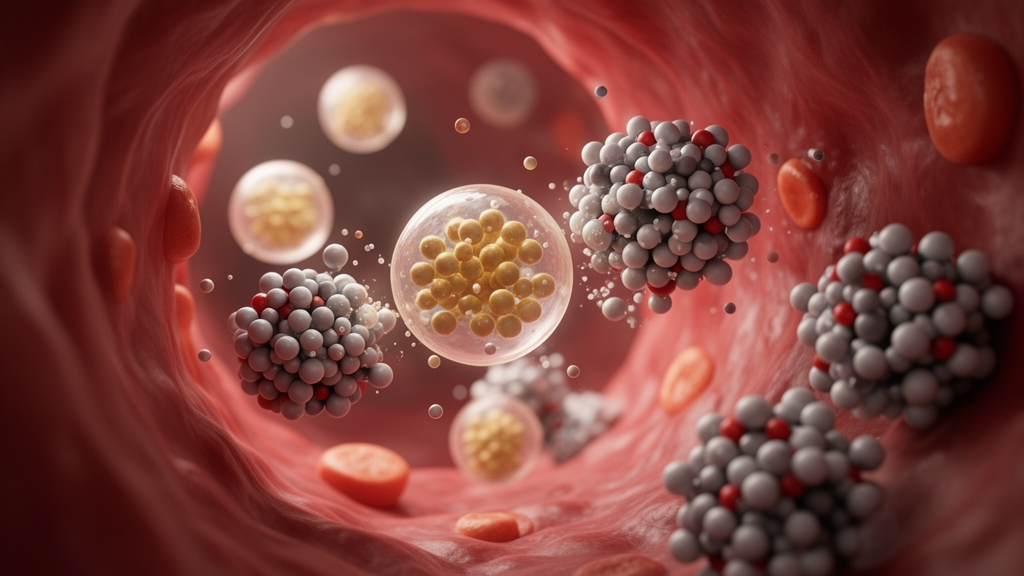
To overcome these characteristic pharmacokinetic barriers, the study evaluated a microencapsulation system designed to envelop the botanical extract within protective wall materials consisting of modified starch, maltodextrin, and cheese whey protein concentrate in a four-to-one ratio relative to the phenolic core. Using a pilot-scale spray dryer operating under controlled parameters—specifically an inlet temperature of 130 degrees Celsius, an outlet temperature of 80 degrees Celsius, an operating pressure of 0.4 kilograms per square centimeter, and a feed flow rate of 8 milliliters per minute—the researchers synthesized spherical microcapsules. Physicochemical assessments revealed that the resulting particles had an average diameter of 386.03 nanometers with a polydispersity index of 0.29, indicating a homogenous suspension free from particle aggregation, while achieving an encapsulation efficiency of 89 percent.
Chemical profiling using high-performance liquid chromatography coupled with a photodiode array detector identified multiple phenolic constituents preserved within the microcapsules. Cinnamic acid and salicylic acid represented the predominant bioactive compounds, registering at concentrations of 517.1 micrograms per gram dry weight and 436.5 micrograms per gram dry weight, respectively, alongside caffeic acid at 421.3 micrograms per gram, naringin at 286.5 micrograms per gram, gallic acid at 204.2 micrograms per gram, resorcinol at 177.4 micrograms per gram, and chlorogenic acid at 119.3 micrograms per gram. In vitro free-radical scavenging tests demonstrated that the microencapsulated fraction exhibited antioxidant capacity with a half-maximal inhibitory concentration of 85.2 micrograms per milliliter in the DPPH assay, though its potency remained lower than that of pure ascorbic acid, which recorded an inhibitory threshold of 20.2 micrograms per milliliter.
The in vivo evaluation was conducted in 32 eight-week-old male Balb/c mice allocated evenly into four experimental groups to compare physiological responses against both untreated diabetic conditions and standard pharmaceutical intervention. One week prior to therapy, diabetes was chemically induced in three cohorts through a single intraperitoneal injection of alloxan monohydrate at a dosage of 200 milligrams per kilogram of body weight. The animals were subsequently maintained for 30 days under their respective protocols: group T1 served as a healthy, untreated control; group T2 represented untreated diabetic mice receiving standard feed; group T3 received 100 milligrams per kilogram body weight of the microencapsulated phenolic fraction; and group T4 received the reference pharmaceutical agent metformin at 250 milligrams per kilogram body weight.
Over the course of the 30-day trial, the administration of the microcapsules exerted clear effects on animal feeding behavior and physical recovery. Diabetic mice typically suffer from metabolic wasting, and untreated diabetic animals in group T2 recorded an average daily weight gain of only 31.5 milligrams per day alongside a daily food intake of 2.6 grams. Supplementation with the microcapsules in group T3 enhanced daily weight gain to 38.2 milligrams per day, performing better than metformin-treated mice, which averaged 36.8 milligrams per day, while healthy control mice gained 40.5 milligrams daily. Concurrently, average daily feed intake was measured at 2.8 grams in the microcapsule-treated group and 2.9 grams in the metformin group, both reflecting partial recovery compared to untreated diabetic mice but demonstrating distinct intake dynamics.
Longitudinal blood tests indicated a progressive, time-dependent reduction in fasting blood sugar levels among animals receiving the microencapsulated botanical formulation. In the first week of administration, fasting blood sugar in group T3 stood at 225 milligrams per deciliter, before steadily decreasing to 210 milligrams per deciliter in week two, 190 milligrams per deciliter in week three, and 152 milligrams per deciliter by week four. By comparison, metformin lowered blood sugar concentrations more rapidly and effectively, driving values from 311 milligrams per deciliter down to 132 milligrams per deciliter over the same timeframe. Untreated diabetic mice, conversely, worsened from an initial level of 172 milligrams per deciliter to 238 milligrams per deciliter by the conclusion of the monitoring period.
End-of-study serum analyses further highlighted improvements in lipid metabolism and circulating hepatic biomarkers across the treated groups. Diabetic mice in group T2 exhibited elevated triglyceride concentrations of 121 milligrams per deciliter and low-density lipoprotein levels of 36 milligrams per deciliter, accompanied by reduced high-density lipoprotein concentrations of 39 milligrams per deciliter. Animals treated with MPRF-AM demonstrated a more favorable lipid profile, with triglycerides dropping to 118 milligrams per deciliter, low-density lipoprotein falling to 29 milligrams per deciliter, and high-density lipoprotein increasing to 44 milligrams per deciliter. Notably, MPRF-AM proved more effective than metformin in reducing low-density lipoprotein, as the metformin cohort registered 43 milligrams per deciliter, although metformin retained a stronger capacity for total glucose and triglyceride reduction.
Circulating liver enzyme levels similarly reflected systemic improvements following microcapsule administration. Serum concentrations of alanine transaminase, aspartate transaminase, and alkaline phosphatase in untreated diabetic mice were elevated at 130 units per liter, 49 units per liter, and 504 units per liter, respectively. In the microcapsule group, these values declined significantly to 119 units per liter for alanine transaminase, 45 units per liter for aspartate transaminase, and 393 units per liter for alkaline phosphatase. In parallel, metformin-treated mice recorded 120 units per liter for alanine transaminase, 47 units per liter for aspartate transaminase, and 432 units per liter for alkaline phosphatase, demonstrating that MPRF-AM was particularly potent in mitigating alkaline phosphatase elevations, an established predictive indicator of diabetes progression.
Histopathological evaluation of crucial metabolic organs confirmed the apparent structural safety of the microencapsulated botanical formulation. Light microscopy examination of sectioned liver, spleen, and pancreas tissues stained with hematoxylin and eosin revealed no signs of cellular toxicity, necrosis, or structural abnormalities following 30 days of treatment with MPRF-AM. The preservation of normal tissue architecture in these key organs suggests that the spray-dried particle matrix and its encapsulated phenolic payload were well tolerated by the host organism at the administered oral dosage, addressing common concerns regarding potential organ toxicity often encountered with intensive antidiabetic therapies.
Molecular analysis of target gene expression in skeletal muscle and pancreatic tissues yielded complex and unexpected insights into the mechanistic pathways engaged by the formulation. In skeletal muscle, untreated diabetic mice exhibited a 3.8-fold downregulation of glucose transporter 4 (GLUT4) relative to healthy controls, whereas metformin induced an upregulation of 1.7-fold. In contrast, MPRF-AM treatment resulted in a 2.1-fold downregulation of GLUT4 mRNA expression; because GLUT4 is typically associated with insulin-stimulated glucose uptake, the authors noted that this reduction indicates the observed glycemic control was not driven by increased GLUT4 gene transcription. Meanwhile, in pancreatic tissue, both catalase (CAT) and inducible nitric oxide synthase (iNOS) were downregulated by 2.6-fold and 3.3-fold, respectively, in the MPRF-AM cohort, reflecting modulation of oxidative and inflammatory pathways during diabetic management, though human clinical trials will ultimately be required to establish therapeutic relevance in patients.
Subject of Research: Antidiabetic and antioxidant effects of microencapsulated Astragalus membranaceus phenolic compounds in diabetic mice
Article Title: Microencapsulated phenolic compounds of Astragalus membranaceus alleviate diabetes in alloxan induced mice
Article References: Honarmandabghad, A., Salari, M., Saberi, R., Farahmandniya, S., Rezaei, A., Hemmatpoor, A., Shafaei, N., Oskoueian, E., & Karimi, E. (2026). Microencapsulated phenolic compounds of Astragalus membranaceus alleviate diabetes in alloxan induced mice. Current Research in Biotechnology, Article 100442. https://doi.org/10.1016/j.crbiot.2026.100442
Image Credits: AI Generated
DOI: 10.1016/j.crbiot.2026.100442
Keywords: Astragalus membranaceus, microencapsulation, phenolic compounds, type 2 diabetes, alloxan, mouse model, hyperglycemia, fasting blood sugar, lipid profile, metformin, antioxidant activity, GLUT4, iNOS, catalase, spray drying, cinnamic acid, salicylic acid
News Source: Gregory Coleman. (November 23, 2026). Microencapsulated Astragalus Root Phenolics Alleviate Hyperglycemia in Diabetic Mice. Scienmag.