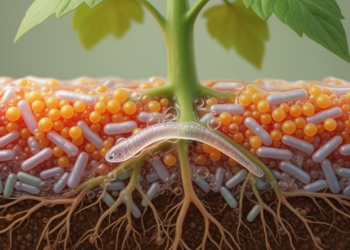
Yeast and Pseudomonas Combinations Protect Tomatoes Against Plant-Parasitic Nematodes
A microbial consortium of yeast and fluorescent Pseudomonas suppresses root-knot nematodes while boosting growth and defensive enzymes in tomato crops.
A microbial consortium of yeast and fluorescent Pseudomonas suppresses root-knot nematodes while boosting growth and defensive enzymes in tomato crops.

A six-month Brazilian clinical trial demonstrated that a nonprescription dermocosmetic regimen significantly reduced facial and truncal acne lesions while preserving ...
Researchers identified a transcriptional feedback loop in grapevine that amplifies salicylic acid defenses to combat the downy mildew pathogen Plasmopara ...
Applying exogenous calcium formulations helps peach seedlings withstand waterlogging stress by protecting root architecture, restoring photosynthesis, and suppressing oxidative cell ...
Researchers have identified HubZIP6 in pitaya, demonstrating that the transcription factor enhances cold tolerance by directly activating CBF genes and ...
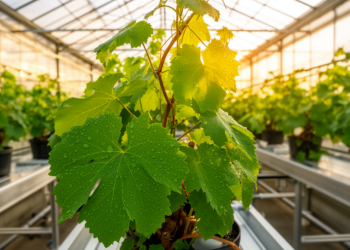
Dual inactivation of DMR6 genes in grapevine constitutively activates systemic acquired resistance-associated pathways and alters gibberellin metabolism.
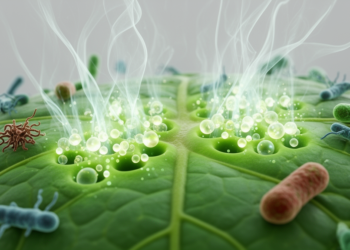
A scientific review details how bidirectional crosstalk between plant reactive oxygen species and specialized metabolites governs both immune responses and ...

A comprehensive review analyzes how plant volatile organic compounds mediate critical interactions with insects, detailing their biosynthesis, transport mechanisms, molecular ...
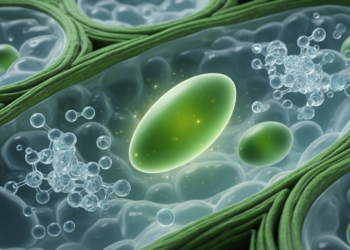
Heterologous expression of the strawberry FvCPS gene suppresses salicylic acid-mediated defense pathways and increases bacterial susceptibility in Arabidopsis thaliana.

Foliar applications of salicylic acid and sodium nitroprusside enhanced growth, antioxidant activity, and secondary metabolite production in borage exposed to ...
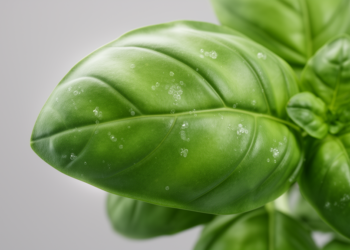
Silicon–salicylic acid nanocomposites mitigate lead-induced biochemical disturbances in basil and reduce soil lead availability.
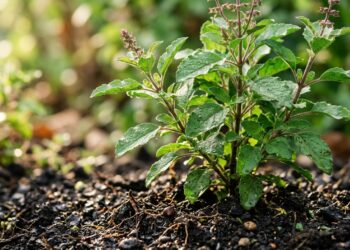
Combining Serendipita indica inoculation with salicylic acid foliar application mitigates arsenic stress in Ocimum sanctum by strengthening antioxidant defenses and ...
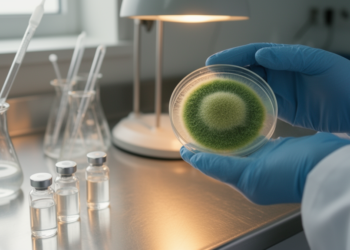
Gene deletion experiments in Trichoderma virens show that the fungus makes salicylic acid through a pathway distinct from those used ...

A hydroponic nutrient combination of potassium phosphate and sodium chloride raised saponarin in young barley leaves to open-field levels under ...

A new review synthesizes how drought, light, temperature, nutrients and hormones physiologically and molecularly regulate cannabinoid and terpene biosynthesis in ...
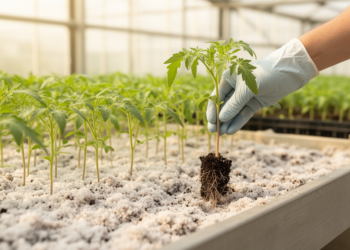
Applying sodium selenite to tomato seedlings under saline-alkali stress boosted antioxidant enzyme activity, reduced oxidative damage and activated stress-related metabolic ...

A pepper seedling study finds that salicylic acid promotes hydrogen sulfide production, which is required for many of salicylic acid's ...

A rat and cell study identifies salicylic acid as the key bioavailable compound in Tiaoqi Daozhi Decoction that restores gut ...
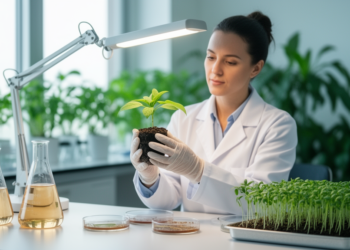
A comprehensive review maps how plants deploy bioactive compounds against pathogens and outlines genetic, nanotech and microbiome strategies to engineer ...
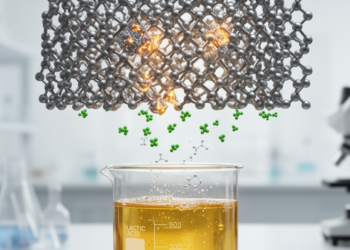
Researchers engineered deliberate structural defects into a nickel metal-organic framework, boosting glucose-to-lactic acid conversion and enabling raw biomass feedstocks such ...