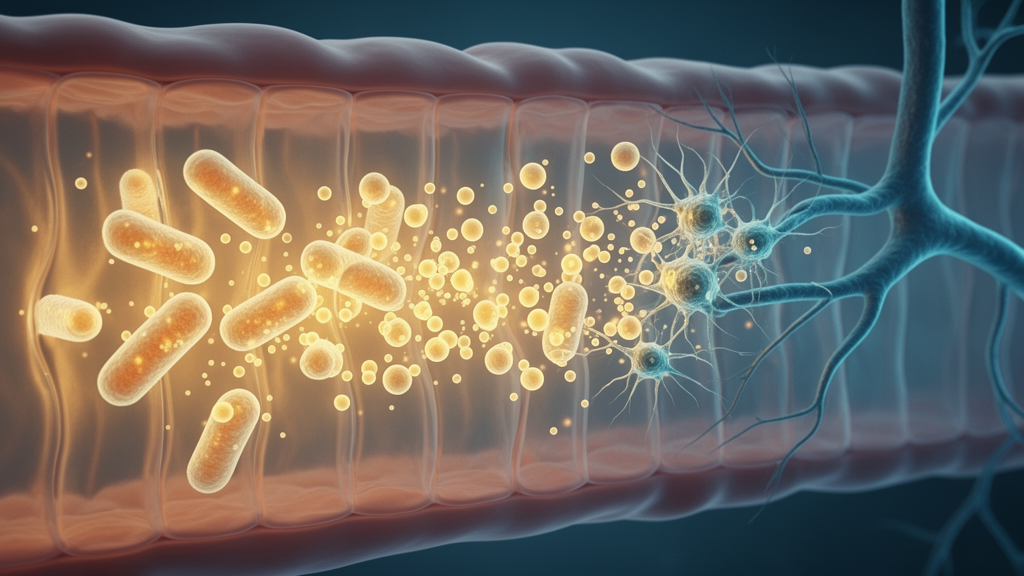
A comprehensive review published in the journal Immunity & Inflammation details how metabolites produced by the mammalian gut microbiota extend their influence far beyond the intestinal tract to shape systemic immune responses and the progression of various immune-related diseases. The study, authored by Jielong Guo, Xin Yin, Kai Wang, and Changtao Jiang, examines the diverse chemical compounds generated by gut bacteria and their specific interactions with host immune cells. By categorizing these metabolites into diet-derived and host-derived classes, the review highlights the complex mechanisms through which microbial activity influences both innate and adaptive immunity. The authors emphasize that the genomic diversity of the gut microbiota far exceeds that of the host, granting it a greater metabolic capacity to produce a vast array of substances that the host cannot synthesize independently.
The review identifies several key categories of microbial metabolites, including short-chain fatty acids, secondary bile acids, tryptophan derivatives, vitamins, and long-chain fatty acids. Short-chain fatty acids, such as acetate, propionate, and butyrate, are primarily produced through the microbial fermentation of dietary fiber in the gut. These compounds can reach concentrations of approximately 100 millimoles per liter, varying based on microbial composition and diet. Bile acids, on the other hand, are initially synthesized in the liver from cholesterol and subsequently modified by gut bacteria through processes like deconjugation, dehydroxylation, and epimerization. These microbial modifications generate secondary bile acids, such as deoxycholic acid and lithocholic acid, which play distinct roles in immune regulation compared to their primary precursors.
Tryptophan derivatives represent another critical class of metabolites with significant immunomodulatory effects. Gut bacteria convert tryptophan into indole and its derivatives, such as indole-3-propionic acid and indole-3-acetic acid, via enzymes like tryptophanase. These compounds can enter the circulatory system and influence distant tissues, including the skin and central nervous system. For instance, indoxyl sulfate, a derivative formed in the liver, has been linked to the exacerbation of psoriasis by increasing chromatin accessibility in Th17 cells. Similarly, indole-3-carboxaldehyde has been shown to alleviate autoimmune hepatitis by reducing the proliferation of effector T cells and the secretion of inflammatory cytokines, demonstrating the context-dependent nature of these microbial products.
The impact of these metabolites on innate immunity is mediated through various cell types, including dendritic cells, macrophages, and innate lymphoid cells. Dendritic cells, which serve as a bridge between innate and adaptive immunity, are influenced by short-chain fatty acids that can inhibit their antigen presentation capacity and secretion of pro-inflammatory cytokines like IL-12. This suppression may weaken anti-tumor immune responses, as observed in studies where butyrate supplementation blocked radiotherapy-induced antitumor effects. Conversely, bile acids such as deoxycholic acid can activate specific receptors on dendritic cells, inhibiting inflammatory pathways and ameliorating experimental autoimmune conditions. Macrophages are also modulated by microbial metabolites; for example, trimethylamine N-oxide can promote the secretion of type I interferons by tumor-associated macrophages, thereby enhancing the efficacy of immune checkpoint blockade in pancreatic cancer models.
Innate lymphoid cells, predominantly located at mucosal sites, are regulated by bile acids and short-chain fatty acids through specific receptor interactions. Taurodeoxycholic acid, for instance, promotes the expression of cell adhesion factors that enhance the residency of these cells in the gut, thereby ameliorating intestinal inflammation. Short-chain fatty acids activate G protein-coupled receptors on innate lymphoid cells, promoting their proliferation and anti-inflammatory functions. However, the review notes that excessive proliferation of these cells can also exacerbate colitis, highlighting the delicate balance required for immune homeostasis. Glycodeoxycholic acid has been shown to promote the secretion of IL-22 by innate lymphoid cells, which helps ameliorate symptoms of polycystic ovary syndrome, including insulin resistance and ovarian dysfunction, in mouse models.
Adaptive immunity is also profoundly affected by gut microbial metabolites, particularly through the modulation of CD4+ and CD8+ T cell subsets. CD4+ T cells, which include Th1, Th2, Th17, and regulatory T cell subsets, are influenced by bile acids and short-chain fatty acids that regulate their differentiation and function. For example, 3-oxoLCA inhibits the differentiation of naïve CD4+ T cells into Th17 cells by binding to the transcription factor RORγt, while isoalloLCA promotes the differentiation of regulatory T cells via the nuclear hormone receptor NR4A1. These effects help maintain immune tolerance and prevent the development of colitis. Short-chain fatty acids also increase the number of regulatory T cells in the gut by inhibiting histone deacetylase activity, thereby promoting an anti-inflammatory environment.
CD8+ T cells, which are crucial for protection against cancer and viral infections, are directly influenced by secondary bile acids and short-chain fatty acids. Deoxycholic acid can bind to plasma membrane calcium ATPase on CD8+ T cells, inhibiting their effector functions and promoting colorectal cancer progression. In contrast, 3-oxo-Δ4,6-LCA activates the androgen receptor in CD8+ T cells, increasing their infiltration into tumor tissues and enhancing the efficacy of anti-PD-1 therapy. Short-chain fatty acids such as butyrate can also enhance anti-tumor immune responses by suppressing histone deacetylases and promoting the expression of genes involved in T cell activation. These findings underscore the dual role of microbial metabolites in either suppressing or enhancing anti-tumor immunity, depending on the specific compound and cellular context.
B cells, which are primarily located in gut lymphoid tissues, are also modulated by microbial metabolites, although research in this area is relatively limited. Short-chain fatty acids influence B cell function by affecting their energy metabolism and histone deacetylase activity. Low concentrations of short-chain fatty acids promote B cell class switch recombination, while high concentrations suppress this process by inhibiting the expression of key genes involved in B cell differentiation. Additionally, short-chain fatty acids can promote the differentiation of IL-10-producing B cells, which help ameliorate colitis. Tryptophan derivatives, such as indole-3-acetic acid, have been shown to promote the accumulation of IL-35+ B cells in the colon, contributing to resistance against high-fat diet-induced obesity and potentially alleviating colitis.
The review highlights the complexity of these interactions, noting that the same metabolite can have different effects on different immune cells or under different conditions. For instance, short-chain fatty acids can enhance CD8+ T cell efficacy to boost anti-tumor effects, but they can also inhibit CD8+ T cell activation by suppressing dendritic cell function. This duality makes it challenging to utilize these metabolites for clinical intervention. Furthermore, the effects of metabolites can be concentration-dependent, with low concentrations promoting certain immune responses while high concentrations inhibit them. The high diversity of gut microbes and their metabolic enzymes also complicates efforts to target specific metabolites, as modifying one pathway may impact others, potentially counteracting the intended therapeutic effects.
Despite these challenges, the review suggests that advancements in microbial analysis technologies, such as single-cell sequencing and metabolomics, are expanding the library of known microbial metabolites and their functions. Artificial intelligence-based prediction and enzyme activity screening approaches may offer solutions to the difficulties of identifying specific bacteria and enzymes for genetic editing. The authors conclude that while practical clinical applications of bacterially-derived metabolites remain limited, there is a significant gap between basic research and clinical application that needs to be addressed. Future research directions may include developing interventions that target the entire metabolite profile for specific immune purposes, with the potential assistance of AI in designing these complex therapeutic strategies.
Beyond broad metabolic classifications, the review details specific enzymatic routes through which diverse bacterial taxa produce these bioactive compounds. For short-chain fatty acids, acetate production occurs from pyruvate via acetyl-CoA or the Wood–Ljungdahl pathway in organisms including Akkermansia muciniphila and Prevotella species. Gut bacteria synthesize propionate through three distinct pathways: the succinate pathway utilized predominantly by Bacteroidetes, alongside the acrylate and propanediol pathways found in Lachnospiraceae and Salmonella enterica serovar Typhimurium. Butyrate synthesis primarily relies on butyryl-CoA:acetate CoA-transferase activity among Bacillota members such as Roseburia, Faecalibacterium, and Eubacterium, while genera like Coprococcus utilize the butyrate kinase pathway.
Distinct microbial machinery also governs the metabolism of amino acids and dietary nutrients. Sulfur-containing amino acids such as cysteine are converted to hydrogen sulfide, pyruvate, and ammonia by Clostridium and Desulfovibrio via cysteine desulfhydrase. For basic amino acids, Klebsiella aerogenes decarboxylates histidine to generate histamine, while Enterococcus faecalis converts tryptophan into 5-hydroxytryptamine using aromatic L-amino acid decarboxylase. Trimethylamine production from dietary choline relies on the choline-utilization gene cluster found in Desulfovibrio, Lachnoclostridium, and Clostridium, whereas Acinetobacter and Serratia convert L-carnitine into trimethylamine using carnitine oxygenase and reductase enzymes before hepatic oxidation into trimethylamine N-oxide.
The synthesis of vitamins and specialized fatty acids represents another dimension of microbial immune modulation. Gut microbes generate diverse B vitamins, such as vitamin B9 through dihydropteroate synthase across Bacteroides species, as well as vitamin K2 and vitamin C. Among these, vitamin B5 alleviates experimental autoimmune encephalomyelitis and colitis by suppressing Th17 cell differentiation through the inhibition of STAT3 phosphorylation. Furthermore, bacteria generate odd-chain long-chain fatty acids such as pentadecanoic acid and heptadecanoic acid, which are scarce in the diet; commensals such as Lactobacillus rhamnosus elevate their fecal abundance, while Blautia converts host-secreted unsaturated fatty acids into hydroxy fatty acids via oleate hydratase to reduce microbial toxicity.
Subject of Research: The role of gut microbial metabolites in modulating host immune responses and immune-related diseases.
Article Title: Gut microbial metabolites and immune-related diseases
Article References: Guo, J., Yin, X., Wang, K., & Jiang, C. (2026). Gut microbial metabolites and immune-related diseases. Immunity & Inflammation, 2(1), Article 18. https://doi.org/10.1007/s44466-026-00031-7
Image Credits: AI Generated
DOI: 10.1007/s44466-026-00031-7
Keywords: gut microbiota, microbial metabolites, short-chain fatty acids, bile acids, tryptophan derivatives, innate immunity, adaptive immunity, dendritic cells, T cell subsets, B cell function, immune regulation, colitis, cancer immunotherapy, metabolomics, host-microbe interaction, inflammatory diseases, immune checkpoint blockade, gut-liver axis, systemic immunity, microbial enzymes
News Source: Morgan Morrow. (November 20, 2026). Gut Microbial Metabolites Modulate Systemic Immunity and Disease. Scienmag.