Skin Cells Drive Humoral Immunity Through Specialized Molecular Signaling Pathway
A study reveals that skin keratinocytes actively amplify humoral immunity by converting epidermal stress into specific immune-modulating signals.
A study reveals that skin keratinocytes actively amplify humoral immunity by converting epidermal stress into specific immune-modulating signals.
A new review in Biomarker Research proposes that tumor-draining lymph nodes offer a promising source for developing next-generation biomarkers to ...
A review highlights how nanoengineering can control the timing, cellular targeting, and safety of STING agonists to overcome clinical limitations ...
Preclinical findings reveal that blocking the nutrient transporter SLC6A14 halts pancreatic tumor growth and restores critical amino acid uptake to ...
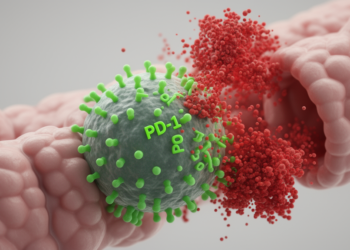
A comprehensive pharmacological review reveals that while PD-1 signaling suppresses pathogenic innate lymphoid cell activity in preclinical asthma models, direct ...

Dendritic cells repurpose the retrotransposon-derived Arc gene to assemble virus-like vesicles that intensify antigen presentation and suppress melanoma in experimental ...
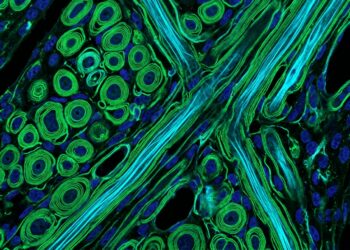
A narrative review examines betaine-linked one-carbon metabolism in demyelinating neuroinflammation, identifying preventive immune benefits in animal models alongside critical evidence ...

Researchers have identified a distinct EBI3-high dendritic cell subset in rheumatoid arthritis synovial fluid that may link local cellular heterogeneity ...
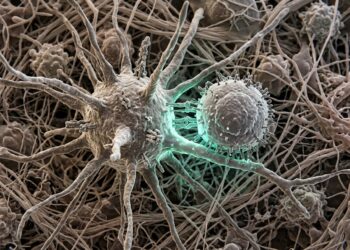
Inhibiting the corepressor EID1 strengthens cooperation between dendritic and natural killer cells to suppress experimental metastatic outgrowth.

A scientific review details how low-dose radiotherapy modulates the tumor immune microenvironment, distinguishing dose-dependent immune mechanisms from high-dose cytotoxic ablation.
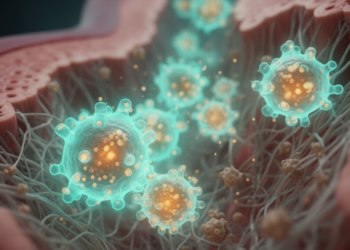
A recent study published in Nature Communications identifies the adhesion G protein-coupled receptor CD97, encoded by the ADGRE5 gene, as ...
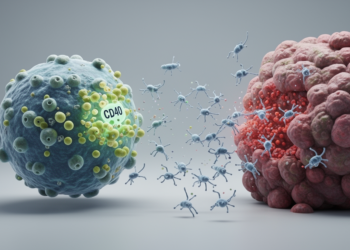
Researchers demonstrated that CD40-activated B cells loaded with CD66c peptides stimulate potent cytotoxic T-cell responses and synergize with checkpoint inhibitors ...
A comprehensive review highlights how biologically derived small extracellular vesicles from plants, milk, eggs, and cells provide biocompatible, targeted platforms ...
A study in mouse lung adenocarcinoma demonstrates that migratory DC1 and DC2 dendritic cells cooperate in tumor-draining lymph nodes to ...
A narrative review evaluates how microbial metabolites and sensing pathways alter host post-translational modifications to reshape immune cell functions in ...
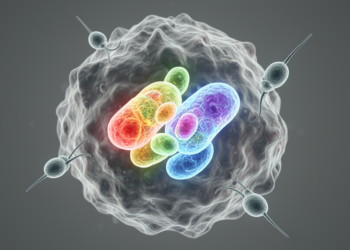
A scientific review highlights how mitochondrial metabolic reprogramming fosters tumor immune evasion and outlines strategies to overcome cancer immunotherapy resistance.
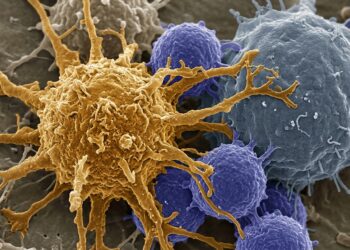
Researchers have identified a contact-dependent cross-dressing mechanism through which dendritic cells amplify tebentafusp-mediated T cell activation, cytokine production, and cytotoxicity.
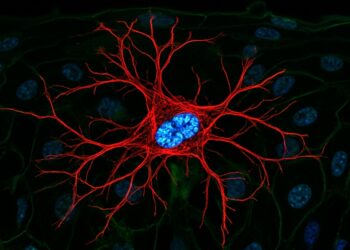
Loss of the Arp2/3 complex causes nuclear aberrations, uncoordinated DNA repair, and progressive depletion of proliferating tissue-resident immune cells.
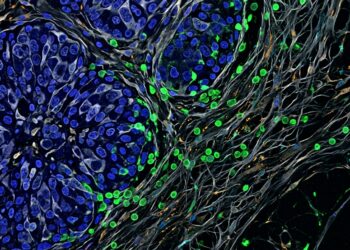
A pan-cancer study shows that CCL21 is downregulated in most tumor types and strongly correlates with immune cell infiltration, checkpoint ...

A narrative review outlines how HPV-associated extracellular vesicles alter immune and stromal cells in the tumor microenvironment and discusses their ...