• HOME
  • NEWS
  • EXPLORE
    • CAREER
      • Companies
      • Jobs
    • EVENTS
    • iGEM
      • News
      • Team
    • PHOTOS
    • VIDEO
    • WIKI
  • BLOG
  • COMMUNITY
    • FACEBOOK
    • INSTAGRAM
    • TWITTER
Wednesday, January 14, 2026
BIOENGINEER.ORG
No Result
View All Result
  • Login
  • HOME
  • NEWS
  • EXPLORE
    • CAREER
      • Companies
      • Jobs
        • Lecturer
        • PhD Studentship
        • Postdoc
        • Research Assistant
    • EVENTS
    • iGEM
      • News
      • Team
    • PHOTOS
    • VIDEO
    • WIKI
  • BLOG
  • COMMUNITY
    • FACEBOOK
    • INSTAGRAM
    • TWITTER
  • HOME
  • NEWS
  • EXPLORE
    • CAREER
      • Companies
      • Jobs
        • Lecturer
        • PhD Studentship
        • Postdoc
        • Research Assistant
    • EVENTS
    • iGEM
      • News
      • Team
    • PHOTOS
    • VIDEO
    • WIKI
  • BLOG
  • COMMUNITY
    • FACEBOOK
    • INSTAGRAM
    • TWITTER
No Result
View All Result
Bioengineer.org
No Result
View All Result
Home NEWS Bioengineering

Bioengineered miniature structures could prevent heart failure

Bioengineer by Bioengineer
February 4, 2015
in Bioengineering
Reading Time: 2 mins read
0
Share on FacebookShare on TwitterShare on LinkedinShare on RedditShare on Telegram

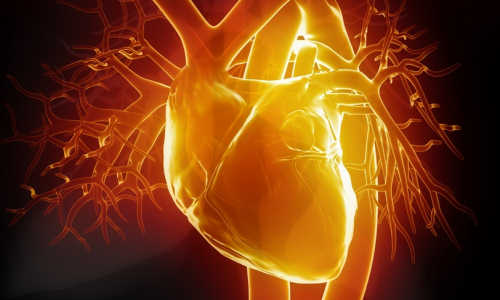
The delivery of tiny biodegradable microstructures to heart tissue damaged by heart attack may help repair the tissue and prevent future heart failure. A team led by cardiovascular researchers at the Medical College of Wisconsin (MCW) bioengineered the microstructures to be the same size, shape and stiffness as adult heart muscle cells, or cardiomyocytes, with the goal of releasing biologically active peptides that act as cardioprotective agents.
heart

The findings are published in Biomaterials. Paul Goldspink, PhD, associate professor of physiology at MCW, led the study.

Heart disease is the leading cause of death across the globe, and there are 610,000 heart attacks and 325,000 recurrent attacks each year. While heart attack survival rates are high, the resulting destruction of heart muscle often leads to heart failure, and current pharmaceuticals do not repair or restore function of the depleted muscle.

Dr. Goldspink’s lab focuses on exploiting aspects of the chemical and physical environment of the heart via bioengineered structures to restore organ function. This has resulted in the design of a technology that mimics the cellular environment by bringing together biodegradable microstructures bioengineered to be the same size, shape and stiffness as adult muscle cells that can protect and release biologically active peptides.

“In this study, we used an animal model and injected the miniaturized structures into the heart following a heart attack, which restored organ function and prevented a series of adverse events that would lead to heart failure,” said Dr. Goldspink. “Our hope for this technology is that it might be adapted for delivery of other therapeutic biologicals to support repair of a variety of tissues and pathologies, with the potential for directing tissue regeneration.”

Dr. Goldspink’s team collaborated with researchers in the Medical Scientist Training Program and the department of bioengineering and therapeutic sciences, both at the University of California San Francisco

Story Source:

The above story is based on materials provided by Medical College of Wisconsin.

Share12Tweet8Share2ShareShareShare2

Related Posts

Why is the first Turkish bioengineering promotion website, Biyomuhendislik.com, so important?

February 4, 2023

Robo-fish

September 19, 2016

Mice born from ‘tricked’ eggs

September 17, 2016

UCLA researchers use stem cells to grow 3-D lung-in-a-dish

September 16, 2016
Please login to join discussion

POPULAR NEWS

  • Enhancing Spiritual Care Education in Nursing Programs

    155 shares
    Share 62 Tweet 39
  • PTSD, Depression, Anxiety in Childhood Cancer Survivors, Parents

    147 shares
    Share 59 Tweet 37
  • Robotic Ureteral Reconstruction: A Novel Approach

    74 shares
    Share 30 Tweet 19
  • Study Reveals Lipid Accumulation in ME/CFS Cells

    53 shares
    Share 21 Tweet 13

About

We bring you the latest biotechnology news from best research centers and universities around the world. Check our website.

Follow us

Recent News

6-Phosphogluconate Dehydrogenase Drives Tumor Immune Suppression

Nonlinear X-Ray Four-Photon Interaction Unveiled

Multi-Omics Reveal Personalized Prognosis in Thyroid Cancer

Subscribe to Blog via Email

Enter your email address to subscribe to this blog and receive notifications of new posts by email.

Join 71 other subscribers
  • Contact Us

Bioengineer.org © Copyright 2023 All Rights Reserved.

Welcome Back!

Login to your account below

Forgotten Password?

Retrieve your password

Please enter your username or email address to reset your password.

Log In
No Result
View All Result
  • Homepages
    • Home Page 1
    • Home Page 2
  • News
  • National
  • Business
  • Health
  • Lifestyle
  • Science

Bioengineer.org © Copyright 2023 All Rights Reserved.