• HOME
  • NEWS
  • EXPLORE
    • CAREER
      • Companies
      • Jobs
    • EVENTS
    • iGEM
      • News
      • Team
    • PHOTOS
    • VIDEO
    • WIKI
  • BLOG
  • COMMUNITY
    • FACEBOOK
    • INSTAGRAM
    • TWITTER
Thursday, November 19, 2026
BIOENGINEER.ORG
No Result
View All Result
  • Login
  • HOME
  • NEWS
  • EXPLORE
    • CAREER
      • Companies
      • Jobs
        • Lecturer
        • PhD Studentship
        • Postdoc
        • Research Assistant
    • EVENTS
    • iGEM
      • News
      • Team
    • PHOTOS
    • VIDEO
    • WIKI
  • BLOG
  • COMMUNITY
    • FACEBOOK
    • INSTAGRAM
    • TWITTER
No Result
View All Result
Bioengineer.org
No Result
View All Result
Home NEWS Science News Cancer

Spatial Cell Interactions Shape Immune Escape in Hematological Malignancies Review Finds

by
November 19, 2026
in Cancer, Health
Reading Time: 2 mins read
0
Spatial Cell Interactions Shape Immune Escape in Hematological Malignancies Review Finds

Spatial Cell Interactions Shape Immune Escape in Hematological Malignancies Review Finds

Share on FacebookShare on TwitterShare on LinkedinShare on RedditShare on Telegram

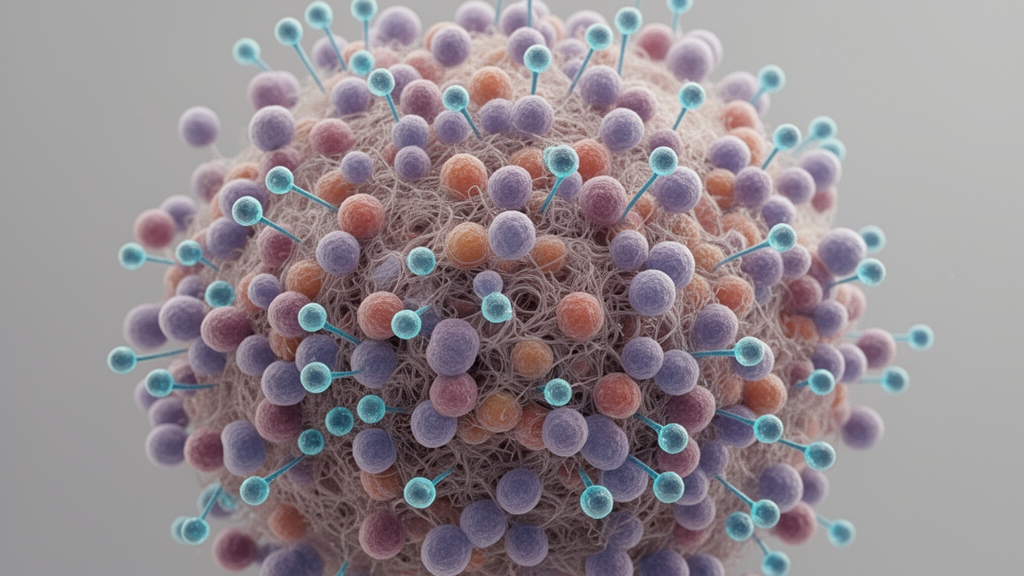
Spatially orchestrated cell–cell interactions within the tumor microenvironment profoundly influence immune escape in hematological malignancies, according to a review article published in Medical Oncology. Authored by Farzaneh Tavakoli and colleagues, the paper underscores that immune evasion across blood cancers is not driven solely by intrinsic tumor cell programs.

The field expanded substantially after Nature announced spatially resolved transcriptomics as Method of the Year in 2020. Since that landmark announcement, a wealth of scientific investigations has been performed on spatial transcriptomics across diverse clinical conditions as well as various malignancies. One of the most important applications of spatial transcriptomics has centered on studying the tumor microenvironment, which plays a fundamental role in hematological malignancies.

Spatial transcriptomics provides unique technological capabilities because it can depict precise and detailed interactions and spatial relationships between tumor and immune cells.

Notably, the spatial segregation of exhausted T cells, dysfunctional natural killer cells, and immunosuppressive populations highlights the critical role of the tumor microenvironment in shaping anti-tumor immune responses.

However, the review carefully notes that spatial associations do not necessarily establish mechanistic or causal relationships.

Beyond mapping existing tissue architectures, recent innovations and designs in bioinformatic tools could leverage spatial transcriptomics insights alongside pharmacogenomic knowledge.

In their comprehensive synthesis, the authors reviewed spatial transcriptomics technologies, their current applications in hematological malignancies, the challenges confronting these cutting-edge approaches, and essential future perspectives. They concluded that using these spatial insights to guide more spatially informed treatment strategies represents the next crucial step toward advancing precision medicine in oncology.

Subject of Research: Spatial transcriptomics in hematological malignancies and tumor microenvironments

Article Title: Spatial transcriptomics in hematological malignancies: from cellular neighborhoods to the architecture of tumor microenvironment

Article References: Tavakoli, F., Rad, M. S., Karimpour, F., Eskandarian, S., & Roshandel, E. (2026). Spatial transcriptomics in hematological malignancies: from cellular neighborhoods to the architecture of tumor microenvironment. Medical Oncology, 43(12), Article 395. https://doi.org/10.1007/s12032-026-03534-w

Image Credits: AI Generated

DOI: 10.1007/s12032-026-03534-w

Keywords: spatial transcriptomics, hematological malignancies, tumor microenvironment, immune escape, exhausted T cells, dysfunctional natural killer cells, immunosuppressive populations, cell-cell interactions, cellular neighborhoods, spatially resolved transcriptomics, pharmacogenomics, precision medicine, bioinformatic tools, drug vulnerabilities, anti-tumor immune responses, Medical Oncology, spatially informed treatment

News Source: Nathaniel Bowman. (November 19, 2026). Spatial Cell Interactions Shape Immune Escape in Hematological Malignancies Review Finds. Scienmag.

Tags: anti-tumor immune responsesbioinformatic toolscellular neighborhoodscell–cell interactionsdrug vulnerabilitiesdysfunctional natural killer cellsexhausted T cellsHematological malignanciesimmune escapeimmunosuppressive populationsMedical OncologyPharmacogenomicsPrecision MedicineSpatial transcriptomicsspatially informed treatmentspatially resolved transcriptomicstumor microenvironment
Share12Tweet7Share2ShareShareShare1

Related Posts

Interleukin Biomarkers Show Varied Links to Outcomes After Acute Brain Injury

Interleukin Biomarkers Show Varied Links to Outcomes After Acute Brain Injury

November 19, 2026
Youth Archery Review Finds Inconclusive Evidence For Lasting Cognitive Benefits

Youth Archery Review Finds Inconclusive Evidence For Lasting Cognitive Benefits

November 19, 2026

Cross-Sectional Study Identifies Knowledge Gaps and Practice Predictors in Obstructive Sleep Apnea

November 19, 2026

Transient Retinal Infiltrates in Behçet Uveitis Frequently Mimic Infectious Disease

November 19, 2026

POPULAR NEWS

  • Single-Cell Study Links SLC2A1-Driven Metabolism to Immune Evasion in Cholangiocarcinoma

    Single-Cell Study Links SLC2A1-Driven Metabolism to Immune Evasion in Cholangiocarcinoma

    29 shares
    Share 12 Tweet 7
  • Deubiquitinase DUB3 Stabilizes GCase and Reduces Neurodegeneration in Parkinson’s Disease Models

    29 shares
    Share 12 Tweet 7
  • HPV16 and HPV18 Infection Associated With High-Grade Cervical Lesions in Study

    29 shares
    Share 12 Tweet 7
  • Southeast Asian Wildlife Disease Surveillance Relies Predominantly on Passive Outbreak Tracking

    29 shares
    Share 12 Tweet 7

About

We bring you the latest biotechnology news from best research centers and universities around the world. Check our website.

Follow us

Recent News

Interleukin Biomarkers Show Varied Links to Outcomes After Acute Brain Injury

Youth Archery Review Finds Inconclusive Evidence For Lasting Cognitive Benefits

Salvianolic Acid C Blocks Influenza Virus Release by Targeting Viral Neuraminidase

Subscribe to Blog via Email

Enter your email address to subscribe to this blog and receive notifications of new posts by email.

Join 89 other subscribers
  • Contact Us

Bioengineer.org © Copyright 2023 All Rights Reserved.

Welcome Back!

Login to your account below

Forgotten Password?

Retrieve your password

Please enter your username or email address to reset your password.

Log In
No Result
View All Result
  • Homepages
    • Home Page 1
    • Home Page 2
  • News
  • National
  • Business
  • Health
  • Lifestyle
  • Science

Bioengineer.org © Copyright 2023 All Rights Reserved.