In a comprehensive systematic analysis published in Frontiers in Nephrology, researchers led by Kui Fan and Maozhi Tang examine a persistent contradiction in renal medicine: mechanistic target of rapamycin signaling operates simultaneously as an indispensable guardian of baseline cellular health and as a potent driver of progressive pathology when chronically activated. This biological paradox is particularly striking within the kidney, where excessive pathway activity drives cellular hypertrophy, metabolic stress, aberrant matrix accumulation, and glomerulosclerosis, while excessive therapeutic suppression strips specialized cells of their structural integrity and destabilizes the filtration barrier. Rather than treating this molecular cascade as a simplistic target that must be unconditionally extinguished, the authors synthesize mechanistic, translational, and clinical data to establish that renal protection exists only within a finely tuned, context-dependent homeostatic activity window. Examining disease settings ranging from primary podocytopathies and diabetic nephropathy to acute injury transitions and allograft transplantation, the review argues that future renal pharmacotherapies must move beyond global pathway shutoff toward calibrated interventions designed to respect specific cellular tolerances.
The foundation of this homeostatic framework rests on the biological reality that mechanistic target of rapamycin signaling encompasses two distinct multi-protein complexes that are not pharmacologically interchangeable. The first complex, designated mTORC1, integrates nutrient availability, growth factors, cellular energy, and oxygen tension to dictate cell growth, translation, and autophagy through effectors including S6 kinase and 4E-BP proteins. The second complex, mTORC2, participates in AKT signaling, cell survival, polarity, and cytoskeletal regulation. Murine genetic knockout models demonstrate the danger of disrupting this dual architecture: while podocyte-specific deletion of mTORC1 causes proteinuria and progressive glomerulosclerosis, concurrent genetic inactivation of both mTORC1 and mTORC2 dramatically aggravates glomerular lesions, proving that baseline activity from both complexes is required for kidney maintenance. Classical rapalogs such as sirolimus and everolimus only partially suppress distal readouts such as 4E-BP1 phosphorylation and can interfere with mTORC2 assembly during prolonged exposure, whereas second-generation ATP-competitive inhibitors suppress both complexes with uncharacterized renal safety profiles.
To organize these complex responses, the review introduces a non-linear homeostatic window model where healthy renal function is maintained exclusively within a bounded range of pathway activity. At the upper extreme, persistent pathway hyperactivation drives maladaptive cellular hypertrophy, biosynthetic overload, mitochondrial stress, reactive oxygen species production, inflammation, and extracellular matrix accumulation. At the opposite extreme, insufficient pathway activity cripples basal cellular maintenance, cytoskeletal stability, metabolic adaptation, and tissue repair. Crucially, the boundaries of this window are not universal across the organ, as podocytes, tubular epithelial cells, interstitial fibroblasts, and immune cells possess markedly distinct structural and metabolic demands. Moreover, this functional window shifts dynamically across time: signaling that supports adaptive tissue repair shortly after an acute insult can turn pathogenic when sustained, whereas suppression that curbs acute hyperactivation may impede subsequent regenerative healing. Consequently, drug-induced toxicity does not necessarily indicate that the pathway is an invalid target, but rather reflects an uncalibrated intervention that fails to distinguish pathological excess from physiological dependence.
This paradox is nowhere more visible than in podocytes, the terminally differentiated epithelial cells whose elaborate foot processes maintain the glomerular filtration barrier. In podocytes, loss of structural integrity is directly translated into albuminuria and progressive glomerular injury. In diabetic kidney disease models, chronic nutrient excess and growth factor stimulation drive pathological mTORC1 hyperactivation, triggering compensatory hypertrophy that ultimately contributes to podocyte detachment and scarring. However, basal mTORC1 activity remains indispensable for filtration barrier maintenance. Pharmacological studies show that administering mTOR inhibitors during acute podocyte depletion impairs compensatory hypertrophy, aggravating albuminuria and structural damage. Clinical observations align with this vulnerability, as mTOR inhibitors are associated with proteinuria after kidney transplantation, and podocyte injury and focal segmental glomerulosclerosis-like lesions have been described in this context. Furthermore, proteomic analyses of cultured human podocytes exposed to everolimus reveal broad, dose-dependent remodeling across protein synthesis, cell-cycle progression, kinase networks, and epithelial-mesenchymal transition markers, demonstrating that cellular responses are multifaceted rather than confined to isolated downstream outputs.
Beyond the glomerular podocyte, the review emphasizes that progressive kidney disease is a multicellular process across specialized compartments with divergent signaling requirements. In tubular epithelial cells, mTORC1 activation is essential for coordinating nutrient handling, mitochondrial metabolism, autophagy, and regenerative proliferation following injury, though persistent signaling eventually promotes maladaptive repair and interstitial fibrosis. Mesangial cells subjected to experimental diabetic conditions exhibit pathway-linked oxidative injury, while glomerular endothelial cells exposed to elevated glucose undergo increased permeability via an mTOR-RhoA/ROCK-myosin light-chain axis. Human lupus nephritis biopsies likewise show glomerular mTORC1 activation in both podocytes and endothelial cells associated with severe structural lesions, while fibroblasts and pericytes engage growth and metabolic programs that converge with transforming growth factor-beta signaling to drive matrix synthesis. Because systemic therapies indiscriminately bathe all renal compartments in equivalent drug concentrations, doses tailored to suppress circulating immune cells in transplantation can simultaneously perturb intrinsic podocyte or tubular homeostasis, illustrating the critical necessity of mapping compartment-specific activity states.
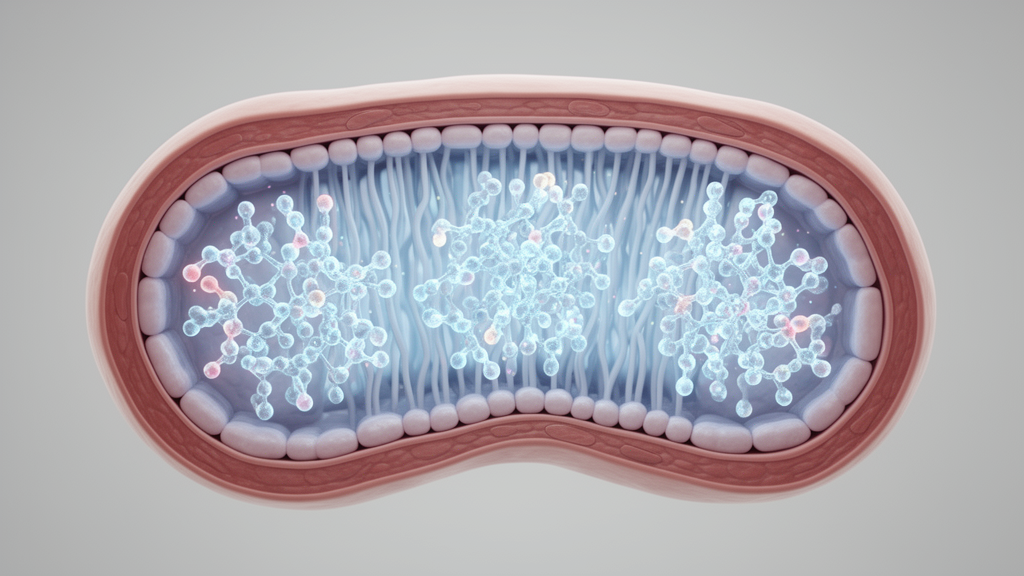
Pathological signaling rarely occurs in isolation, converging instead with mitochondrial dysfunction and oxidative stress to form self-amplifying cycles of renal injury. Mitochondrial impairment promotes inflammation and fibrogenesis, while altered cellular metabolism lowers the threshold at which physiological pathway activity becomes pathogenic. To explore whether spatial restriction could resolve this challenge, the authors previously developed a targeted nanoplatform designated ESC-HCM-B, encapsulating everolimus and cerium dioxide quantum dots within an enhanced biohomogeneous composite membrane. By utilizing BMS-470539 to target melanocortin-1 receptors enriched in injured podocyte regions, the platform achieved enhanced glomerular localization while reducing systemic circulating drug concentrations in diabetic models. In high-glucose-exposed podocytes and diabetic animals, this dual-function nanoplatform scavenged reactive oxygen species, restored ATP and NAD metabolic markers, attenuated pathway phosphorylation, and mitigated glomerular structural injury. These findings provide preclinical proof-of-concept that local metabolic and redox state modulation, coupled with cell-directed delivery, can reshape local pharmacology and potentially widen the narrow therapeutic index of pathway inhibitors.
Disease-specific contexts further illustrate that renal conditions do not share a uniform therapeutic window. In human primary focal segmental glomerulosclerosis, glomerular mTORC1 target genes and phosphorylated S6 levels are elevated compared to minimal change disease and healthy controls. Murine models demonstrate that complete genetic podocyte mTORC1 elimination accelerates glomerulosclerosis, whereas partial genetic reduction or low-dose rapamycin significantly attenuates disease progression, confirming that graded rather than total inhibition is protective. Conversely, in experimental collapsing focal segmental glomerulosclerosis, early sirolimus reduced parietal epithelial cell proliferation without reducing albuminuria or providing sustained histological protection, and late intervention failed entirely. Clinical responses in focal segmental glomerulosclerosis have also proven highly heterogeneous, ranging from improvement to overt deterioration. Because the diagnosis represents a shared histological pattern arising from diverse genetic, circulating immune, or maladaptive mechanical etiologies, the authors emphasize that empirical pathway inhibition cannot be recommended for nephrotic syndromes without biomarker-guided patient selection and mechanistic stratification.
The transition from acute kidney injury to chronic kidney disease presents an equally demanding temporal obstacle for pathway-directed therapies. Experimental evidence demonstrates that mTORC1 activity is required for tubular epithelial regeneration following acute tubular injury, and administering rapamycin during this regenerative phase impairs functional recovery. Although researchers hypothesized that delayed pathway suppression might selectively blunt subsequent maladaptive repair and interstitial fibrosis, experimental results fail to validate this premise. In a murine renal ischemia-reperfusion injury model, rapamycin initiated one week following the initial insult showed negligible antifibrotic efficacy while actively increasing measured albuminuria. These discordant findings indicate that arbitrary calendar intervals cannot reliably guide therapeutic intervention. Instead, safe clinical translation will require validated longitudinal molecular and cellular biomarkers that accurately distinguish active epithelial repair from the onset of maladaptive fibrogenesis before initiating pharmacological pathway suppression, ensuring that treatment does not inadvertently interrupt vital endogenous regenerative cascades.
Kidney transplantation serves as the primary clinical setting demonstrating how systemic exposure produces competing compartment-specific consequences. While sirolimus and everolimus provide effective immunosuppression and facilitate calcineurin inhibitor minimization, their clinical use is constrained by significant adverse effects. Post-transplant proteinuria can emerge de novo or increase after conversion to an mTOR inhibitor, and podocyte injury and focal segmental glomerulosclerosis-like lesions have been reported in this setting. A comprehensive meta-analysis of randomized clinical trials comparing mTOR inhibitor-based against mycophenolic acid-based regimens demonstrated lower risks of cytomegalovirus infection and malignancy, but revealed significantly increased risks of proteinuria (relative risk 1.79, 95% confidence interval 1.38 to 2.31), statin-requiring dyslipidemia (relative risk 1.35, 95% confidence interval 1.18 to 1.54), peripheral edema (relative risk 1.34, 95% confidence interval 1.08 to 1.68), thrombocytopenia (relative risk 1.97, 95% confidence interval 1.19 to 3.35), and new-onset post-transplant diabetes (relative risk 1.32, 95% confidence interval 1.07 to 1.62). Furthermore, a 2025 dose-response meta-analysis confirmed that optimal drug exposure targets remain unresolved, illustrating that systemic whole-body suppression inevitably creates conflicting outcomes between immune cells and renal parenchyma.
To navigate these barriers, the authors organize future precision strategies across five operational dimensions: spatial targeting of specific renal cells, molecular discrimination between mTORC1 and mTORC2, quantitative titration through partial suppression, temporal control matching disease kinetics, and contextual patient selection using predictive biomarkers. Realizing this framework clinically requires overcoming critical measurement hurdles, as static transcriptomic measures cannot replace functional kinase activity readouts. A practical translational roadmap must combine proximal pathway markers, such as phosphorylated S6, 4E-BP1, and AKT, with downstream functional assessments of mitochondrial respiration, autophagy, and cytoskeletal integrity, corroborated by spatial proteomics, spatial transcriptomics, and urinary extracellular vesicle profiling. Furthermore, preclinical dose-response curves must define safe operational thresholds across species, while prospective clinical trials must evaluate clinically meaningful endpoints, including measured glomerular filtration rate trajectories and hard fibrosis outcomes. Crucially, next-generation precision modulation must prove its incremental efficacy alongside modern standard-of-care renoprotective agents, including renin-angiotensin system blockade and sodium-glucose cotransporter 2 inhibitors, rather than being tested in isolation.
Subject of Research: The mTOR signaling homeostatic window and precision modulation strategies in renal disease
Article Title: The mTOR homeostatic window in kidney disease
Article References: Fan, K., Zhou, Q., Zhou, L., Yu, Y., Zeng, L., & Tang, M. (2026). The mTOR homeostatic window in kidney disease. Frontiers in Nephrology, 6, Article 2008149. https://doi.org/10.3389/fneph.2026.2008149
Image Credits: AI Generated
DOI: 10.3389/fneph.2026.2008149
Keywords: mTOR signaling, mTORC1, mTORC2, podocytes, glomerular filtration barrier, diabetic kidney disease, focal segmental glomerulosclerosis, acute kidney injury, chronic kidney disease, kidney transplantation, proteinuria, everolimus, sirolimus, calcineurin inhibitors, mitochondrial dysfunction, targeted drug delivery, spatial proteomics, homeostatic window
News Source: Jerry Hayes. (November 18, 2026). Review Proposes mTOR Homeostatic Window Framework for Kidney Disease. Scienmag.