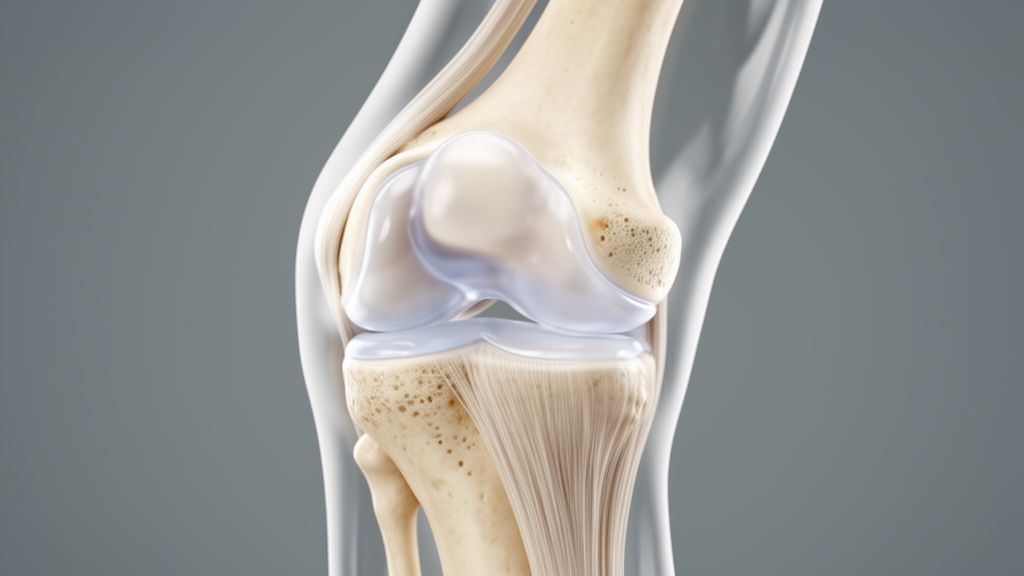
A scientific critique published in Knee Surgery & Related Research examines the methodological and conceptual frameworks applied when evaluating radiological risk factors across distinct patellar instability phenotypes. The Matters Arising commentary, authored by researcher Eşref Selçuk, reviews an investigation by Chouhan and colleagues analyzing trochlear dysplasia, tibial tubercle–trochlear groove distance, and patellar height across single-episode, recurrent, and habitual dislocation groups. Although the phenotype-based imaging approach addresses an important and clinically relevant topic, the evaluation underscores that multiple analytical constraints limit the robustness and clinical translatability of the reported between-group differences.
A key methodological concern involves the unit of statistical analysis and the handling of bilateral clinical presentations. The original research evaluated outcomes at the individual knee level despite incorporating bilateral cases, failing to implement statistical adjustments for within-patient clustering. According to the commentary, neglecting this anatomical clustering potentially inflates statistical significance across comparative tests. In addition, the study design excluded patients who had undergone stabilization procedures, an exclusion pattern that particularly affected single-episode dislocators. This exclusion strategy risks introducing spectrum and selection bias that could exaggerate apparent differences between the examined dislocation phenotypes.
Measurement reproducibility represents another substantial limitation raised in the published commentary. The assessment noted a complete absence of formal interobserver and intraobserver reliability evaluations within the study. This omission poses critical interpretive challenges given the known measurement variability inherent in calculating tibial tubercle–trochlear groove distance, assessing patellar height indices, and grading trochlear dysplasia. Without documented reproducibility metrics, confirming the precision of these anatomical parameters remains difficult when interpreting imaging variations among distinct patient cohorts.
The clinical actionability of the reported imaging parameters also faced scrutiny regarding statistical reporting. The observed differences in tibial tubercle–trochlear groove distance between single-episode and recurrent instability cohorts were small and demonstrated substantial data overlap. Furthermore, the analysis omitted confidence intervals, reliability metrics, and threshold-based evaluations. Within contemporary multifactorial decision-making frameworks, the absence of these quantitative thresholds and reliability measures restricts the ability of clinicians to translate these reported radiological differences into actionable management strategies.
Finally, the commentary questioned the construct validity of placing habitual patellar dislocation within the same comparative framework as episodic instability. Habitual dislocation represents a distinct developmental condition that frequently involves entrenched structural abnormalities, raising significant concerns about drawing direct comparisons or extrapolating clinical management implications alongside episodic dislocations. To consolidate conclusions in future work, the author recommended incorporating cluster-aware analytical models, thoroughly documenting patient exclusion patterns, and presenting measurement reproducibility alongside threshold-based anatomical analyses.
Subject of Research: Methodological critique of radiological risk factors in patellar instability phenotypes
Article Title: Comment on “Radiological risk factors in different patterns of patellar instability”
Article References: Selçuk, E. (2026). Comment on “Radiological risk factors in different patterns of patellar instability”. Knee Surgery & Related Research, 38(1), Article 40. https://doi.org/10.1186/s43019-026-00324-6
Image Credits: AI Generated
DOI: 10.1186/s43019-026-00324-6
Keywords: patellar instability, trochlear dysplasia, tibial tubercle-trochlear groove distance, patellar height, habitual patellar dislocation, recurrent patellar dislocation, single-episode dislocation, radiological risk factors, knee surgery, within-patient clustering, selection bias, spectrum bias, interobserver reliability, intraobserver reliability, construct validity, stabilization procedures
News Source: Ophelia Keating. (November 18, 2026). Commentary Questions Imaging Risk Factor Differences Across Patellar Instability Phenotypes. Scienmag.