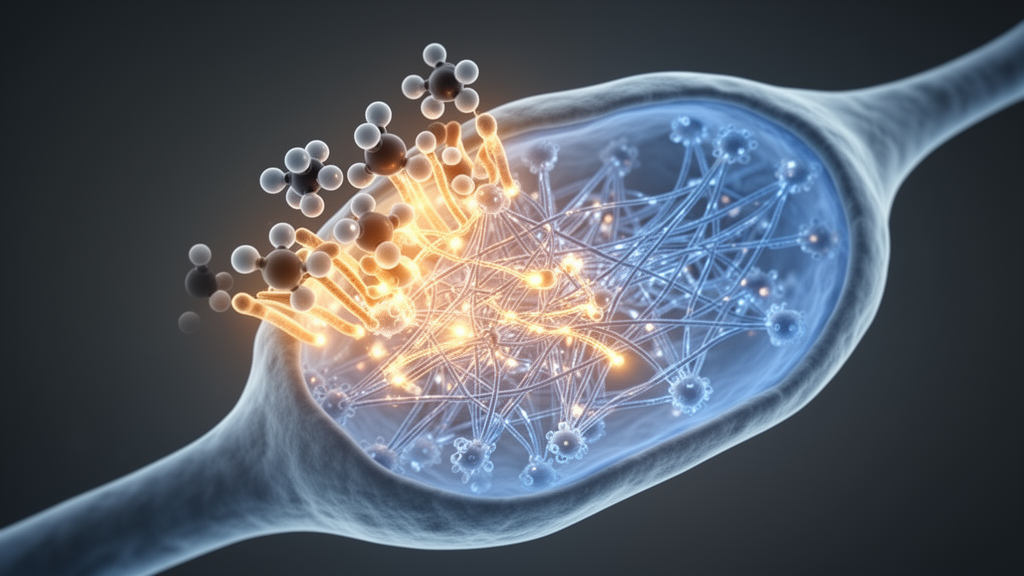
A comprehensive systems biology review in Innovations in Acupuncture and Medicine establishes that phytocannabinoids act not as simple molecular switches, but as modulators of an integrated cellular stress adaptation network across the central nervous system. Researchers Hyewon Lee and Han-Jung Chae show that diverse neurological disorders converge on shared cellular stress programs rather than isolated molecular lesions. To navigate this complexity, the authors formalize an operational framework spanning four coupled domains: oxidative-mitochondrial control, neuroimmune regulation, excitability regulation, and proteostasis maintenance. Cannabinoid signaling operates within this architecture as an activity-dependent homeostatic layer that nudges stressed circuits toward adaptive preservation or maladaptive outcomes. Crucially, while acute stress responses capture immediate molecular reactions, stress adaptation reflects sustained maintenance of viability and signal integrity over time.
Central nervous system disorders arise from diverse initiating causes, including genetic susceptibility, environmental insults, metabolic dysfunction, and proteostatic stress. Despite distinct primary pathways, these conditions culminate in common cellular stress-response programs determining whether neural tissue adapts or degenerates. Manifestation of disease reflects a system-level loss of adaptive capacity across neural networks rather than a single molecular defect. Under the proposed framework, neuronal vulnerability is governed by coupled sensing, signaling, and effector loops coordinating cellular physiology. Because these four domains operate as tightly linked feedback networks, modulating one domain such as circuit excitability inevitably propagates signals to mitochondrial redox balance, neuroimmune signaling, and proteostasis. The authors emphasize that cellular adaptation is not a static binary state, but an evolving, context-dependent process shaped by stress intensity, duration, and disease stage.
Serving as an intrinsic homeostatic buffer, the endocannabinoid system coordinates cellular stress adaptation via activity-dependent retrograde signaling. Two primary endogenous lipid ligands mediate these actions: anandamide and 2-arachidonoylglycerol. Anandamide acts as a high-affinity partial agonist at cannabinoid receptor 1, buffering emotional and oxidative stress across neural circuits. In contrast, 2-arachidonoylglycerol occurs at higher tissue concentrations and operates as a full agonist, regulating synaptic plasticity and dampening neuroinflammatory cascades. Together, these endocannabinoids acutely stabilize synaptic transmission and excitability while calibrating longer-term homeostatic set points across neurons, glia, and the neurovascular unit. Phytocannabinoids interact directly with this homeostatic machinery, but differences in molecular structure dictate divergent pharmacodynamics that determine whether interventions facilitate adaptive resilience, trigger compensatory tolerance, or merely induce transient, superficial symptomatic masking.
The pharmacological profiles of cannabidiol and delta-9-tetrahydrocannabinol stem from fundamental stereochemical distinctions. Delta-9-tetrahydrocannabinol possesses a rigid tricyclic structure that docks into the orthosteric binding pockets of cannabinoid receptors 1 and 2, interacting with essential residues Phe170 and Ser383 to drive receptor activation and intoxicating neurobehavioral effects. Conversely, cannabidiol has an open-ring configuration and conformational flexibility, preventing stable orthosteric docking and resulting in low canonical affinity. In cellular systems, cannabidiol acts as a negative allosteric modulator at cannabinoid receptor 1, dampening agonist-driven signaling depending on receptor density and coupling efficiency. Beyond canonical pathways, cannabidiol engages multiple non-canonical targets: it antagonizes G protein-coupled receptor 55, modulates transient receptor potential vanilloid 1 channels, activates 5-hydroxytryptamine receptor 1A, inhibits nucleoside transport to elevate adenosine tone, and engages peroxisome proliferator-activated receptor gamma.
In the oxidative-mitochondrial domain, neurons face elevated vulnerability to oxidative damage due to intense metabolic demand, postmitotic nature, and limited antioxidant capacity. Preclinical studies indicate that cannabidiol exerts antioxidant actions by directly scavenging reactive oxygen species and upregulating antioxidant gene expression through nuclear factor erythroid 2-related factor 2 transcription. In vitro models suggest cannabidiol can preserve mitochondrial membrane potential and suppress apoptosis-linked signaling at physiological concentrations. However, these cytoprotective effects are strictly concentration-dependent, as elevated exposures can induce mitochondrial stress in certain cell types. Meanwhile, delta-9-tetrahydrocannabinol influences bioenergetics primarily through presynaptic cannabinoid receptor 1 activation, which suppresses excessive neurotransmitter release and secondarily limits activity-driven calcium overload and oxidative stress. Nevertheless, sustained cannabinoid receptor 1 stimulation introduces competing liabilities, meaning bioenergetic outcomes vary widely with dosage, exposure timing, and pathological stage.
Within the neuroimmune module, chronic neuroinflammation represents a maladaptive condition where reactive microglia and astrocytes exacerbate neurodegeneration through continuous cytokine and reactive oxygen species generation. Moving past outdated binary classifications of microglial M1 and M2 polarization, the review details how cannabinoids steer glial phenotypes toward less damaging functional states. These immunomodulatory actions proceed through cannabinoid receptor 2-dependent pathways and non-canonical mechanisms involving peroxisome proliferator-activated receptor gamma and adenosine signaling. Preclinical studies report that cannabidiol suppresses nuclear factor kappa B activation and inhibits inflammasome assembly, reducing pro-inflammatory cytokines like interleukin-1 beta and tumor necrosis factor-alpha. Delta-9-tetrahydrocannabinol also dampens immune activation via cannabinoid receptor 2, but its psychoactive profile mediated by central cannabinoid receptor 1 restricts clinical dosing. These immunomodulatory actions are particularly relevant in autoimmune disorders such as multiple sclerosis, where tempering glial reactivity helps prevent demyelination.
The regulation of synaptic excitability is central to maintaining circuit stability and preventing excitotoxicity. Endocannabinoids function as retrograde messengers that decrease presynaptic neurotransmitter release, providing gain control over neuronal firing. Delta-9-tetrahydrocannabinol directly engages cannabinoid receptor 1 to curb excessive synaptic drive, offering a mechanistic basis for managing spasticity, although its intoxicating effects require strict dose titration. Cannabidiol stabilizes circuits through non-canonical mechanisms, including functional antagonism of G protein-coupled receptor 55, desensitization of transient receptor potential channels, and facilitation of adenosine neurotransmission. These physiological actions translate into validated clinical applications: highly purified cannabidiol reduces seizures in drug-resistant epilepsy syndromes, while standardized combinations of purified delta-9-tetrahydrocannabinol and cannabidiol effectively treat multiple sclerosis spasticity. In both cases, restoring balance between excitation and inhibition stabilizes disrupted neural networks to deliver meaningful symptomatic relief.
Proteostasis maintenance represents the fourth core domain, governing endoplasmic reticulum stress, unfolded protein response signaling, and autophagic clearance. Chronic neurodegenerative diseases frequently exhibit proteostatic collapse, where accumulation of misfolded proteins triggers unfolded protein response branches mediated by PERK, IRE1, and ATF6, alongside the integrated stress response. Depending on stress duration and intensity, these pathways promote adaptive recovery or trigger apoptotic destruction. Preclinical evidence indicates that cannabidiol modulates endoplasmic reticulum stress markers, including phosphorylated eukaryotic initiation factor 2 alpha and C/EBP homologous protein, while influencing autophagy markers like LC3 and p62. Furthermore, cannabinoid receptors interact with autophagic flux in cell models. However, the authors emphasize that evidence from primary human neural systems remains sparse. It remains unproven whether phytocannabinoids directly engage proximal unfolded protein response sensors, requiring verification through direct receptor-binding studies, genetic validation, and exposure control.
Clinical translation across central nervous system disorders reveals a clear hierarchy of evidence, separating established efficacy from preliminary hypotheses. Randomized controlled trials provide robust validation for highly purified cannabidiol in severe pediatric epilepsies, including Dravet syndrome and Lennox-Gastaut syndrome. Strong evidence similarly supports standardized oromucosal combinations of purified delta-9-tetrahydrocannabinol and cannabidiol, known as nabiximols, for multiple sclerosis spasticity. Conversely, evidence in Alzheimer’s disease and Parkinson’s disease remains inconclusive. In Alzheimer’s disease, the synthetic cannabinoid nabilone improved agitation in randomized testing but heightened sedation, offering no proof of disease modification. In Parkinson’s disease, small studies suggest cannabidiol may benefit non-motor symptoms such as rapid eye movement sleep behavior disorder, but wide therapeutic dosing variations and small samples prevent clinical adoption. Preclinical antioxidant and anti-inflammatory claims have yet to translate into demonstrated clinical disease modification.
Sleep-wake disturbances reflect underlying excitability dysregulation and hyperarousal, presenting unique therapeutic opportunities and challenges. The endocannabinoid system interfaces with circadian timing at the suprachiasmatic nucleus, where cannabinoid receptor 1 signaling regulates clock neuron activity and photic entrainment. Phytocannabinoid modulation of sleep is biphasic, depending on the balance between cannabidiol-mediated anxiolysis and delta-9-tetrahydrocannabinol-induced sedation. Cannabidiol alleviates hyperarousal and anxiety-driven insomnia by enhancing adenosine tone and stimulating 5-hydroxytryptamine receptor 1A receptors without intoxicating effects. In contrast, delta-9-tetrahydrocannabinol directly activates cannabinoid receptor 1 to shorten sleep latency acutely, but higher doses or chronic exposure disrupt sleep architecture, suppress rapid eye movement sleep, and cause next-day cognitive impairments. This pronounced context dependence explains why non-standardized preparations yield inconsistent outcomes, underscoring the necessity of controlling chemotype, dosage, and administration timing in clinical sleep trials.
Translational barriers are further compounded by significant pharmacokinetic variability and safety considerations. Phytocannabinoids are highly lipophilic molecules subject to extensive first-pass hepatic metabolism, resulting in unpredictable absorption and erratic systemic bioavailability across diverse administration routes. Extensive cytochrome P450 metabolism generates pronounced drug-drug interaction risks, particularly in polypharmacy settings. For instance, co-administering cannabidiol with valproate elevates liver transaminases, while interactions with antiseizure medications like clobazam necessitate close therapeutic monitoring. Concurrently, therapeutic outcomes follow a biological adaptation continuum spanning recovery, compensatory tolerance, and maladaptive masking. During early disease stages, cannabinoids may facilitate recovery by curbing excitotoxicity and inflammation. In late-stage degeneration, however, identical actions may merely mask symptoms without restoring adaptive capacity, or induce compensatory receptor downregulation that limits long-term efficacy. Differentiating these outcomes requires stage-aware biomarkers capable of separating true functional recovery from tolerance or transient symptomatic suppression.
Looking forward, the authors outline translational priorities centered on standardized formulations, exposure-response modeling, and objective biomarker endpoints. Research must bridge cell-culture observations and human clinical outcomes by mapping cannabinoid effects across neurons, microglia, astrocytes, and vascular cells under defined exposure levels. Clinical trials should incorporate objective physiological metrics, such as electroencephalography, microelectrode array recordings, translocator protein-positron emission tomography, and inflammatory cytokine profiles, to track target engagement. Moreover, trial designs must explicitly separate symptomatic alleviation from disease-modifying effects on proteostasis and neuroinflammation. Biomarker-guided cannabidiol interventions targeting redox and neuroimmune modules appear most promising in early disease stages where adaptive capacity remains intact. Conversely, delta-9-tetrahydrocannabinol formulations remain primarily suited for symptom management, requiring careful titration to balance efficacy against cognitive risks. By establishing standardized chemotypes, rigorous exposure controls, and objective endpoints, future research can clarify whether modulating cellular stress networks can achieve durable neuroprotection.
Subject of Research: Phytocannabinoid modulation of cellular stress adaptation in central nervous system disorders
Article Title: Phytocannabinoids in Central Nervous System Disorders and Frameworks for Cellular Stress Adaptation: A Comprehensive Review
Article References: Lee, H., & Chae, H.-J. (2026). Phytocannabinoids in Central Nervous System Disorders and Frameworks for Cellular Stress Adaptation: A Comprehensive Review. Innovations in Acupuncture and Medicine, 19(1), Article 14. https://doi.org/10.1186/s44424-026-00052-4
Image Credits: AI Generated
DOI: 10.1186/s44424-026-00052-4
Keywords: cannabidiol, delta-9-tetrahydrocannabinol, cellular stress adaptation, endocannabinoid system, cannabinoid receptor 1, cannabinoid receptor 2, neuroinflammation, mitochondrial bioenergetics, synaptic excitability, proteostasis, unfolded protein response, multiple sclerosis spasticity, developmental epilepsy, GPR55, TRPV1, adenosine signaling, Nrf2 transcription, pharmacokinetic variability
News Source: Ophelia Keating. (November 18, 2026). Cannabinoids Modulate Cellular Stress Networks Across Central Nervous System Disorders. Scienmag.