• HOME
  • NEWS
  • EXPLORE
    • CAREER
      • Companies
      • Jobs
    • EVENTS
    • iGEM
      • News
      • Team
    • PHOTOS
    • VIDEO
    • WIKI
  • BLOG
  • COMMUNITY
    • FACEBOOK
    • INSTAGRAM
    • TWITTER
Tuesday, November 17, 2026
BIOENGINEER.ORG
No Result
View All Result
  • Login
  • HOME
  • NEWS
  • EXPLORE
    • CAREER
      • Companies
      • Jobs
        • Lecturer
        • PhD Studentship
        • Postdoc
        • Research Assistant
    • EVENTS
    • iGEM
      • News
      • Team
    • PHOTOS
    • VIDEO
    • WIKI
  • BLOG
  • COMMUNITY
    • FACEBOOK
    • INSTAGRAM
    • TWITTER
No Result
View All Result
Bioengineer.org
No Result
View All Result
Home NEWS Science News Biology

Modified SsdA Variants Improve Cytosine Base Editing by Reducing Toxic Effects

by
November 17, 2026
in Biology
Reading Time: 2 mins read
0
Modified SsdA Variants Improve Cytosine Base Editing by Reducing Toxic Effects

Modified SsdA Variants Improve Cytosine Base Editing by Reducing Toxic Effects

Share on FacebookShare on TwitterShare on LinkedinShare on RedditShare on Telegram

Characterizing several improved SsdA variants revealed that less active deaminase variants make better genome editing tools because base editing performance is compromised by toxic side effects. While SsdA is favored for its compact size and high deaminase activity, its toxic profile makes the wild-type version largely unsuitable for precision genome editing applications. Researchers have now conducted a comprehensive investigation into SsdA modifications to better understand these limitations and provide an improved framework for selecting deaminases in base editing research.

The study characterized several improved SsdA variants by assessing amino acid substitutions at a key residue.

The in vitro deaminase activity of SsdA was negatively linked to its in vivo performance. The findings indicate that the base editing efficiency of SsdA is significantly undermined by toxic side effects. This makes less active deaminase variants the better genome editing tools.

Amino acid substitutions at a key residue in SsdA suggest that steric alterations relieve its toxic effects.

The investigation extended beyond SsdA to include an analysis of homologous proteins, revealing that these relatives share the same inherent toxicity observed in the original SsdA enzyme. Through further characterization, two of these homologous proteins were confirmed to possess cytosine deaminase activity. One of these proteins was successfully utilized to construct a new, highly functional base editing tool, demonstrating the potential for expanding the current toolkit of genome editing enzymes.

This work significantly deepens the understanding of DYW-family cytosine deaminases and their application in biotechnology. This work broadens the use of DYW-family cytosine deaminases for genome editing.

Subject of Research: Characterization and optimization of SsdA deaminase variants for improved genome editing efficiency.

Article Title: Characterization of the SsdA deaminase-family for improved cytosine base editors

Article References: Lorenz, P. J., Blome, P., Schulz, O., & Boch, J. (2026). Characterization of the SsdA deaminase-family for improved cytosine base editors. BMC Biotechnology, 26(1), Article 135. https://doi.org/10.1186/s12896-026-01247-6

Image Credits: AI Generated

DOI: 10.1186/s12896-026-01247-6

Keywords: SsdA, cytosine deaminase, base editing, genome editing, DYW-family, protein engineering, bacterial toxins, biotechnology, enzymology, molecular biology, genetic tools, toxicity mitigation, amino acid substitution, structural biology, functional genomics, base editor optimization, biochemical characterization

News Source: Gregory Coleman. (November 17, 2026). Modified SsdA Variants Improve Cytosine Base Editing by Reducing Toxic Effects. Scienmag.

Tags: amino acid substitutionbacterial toxinsbase editingbase editor optimizationbiochemical characterizationBiotechnologycytosine deaminaseDYW-familyenzymologyFunctional genomicsgenetic toolsGenome editingMolecular BiologyProtein EngineeringSsdAstructural biologytoxicity mitigation
Share12Tweet7Share2ShareShareShare1

Related Posts

Laboratory Evolution Boosts Trehalose Production in Cupriavidus necator via Osmotic Stress Adaptation

Laboratory Evolution Boosts Trehalose Production in Cupriavidus necator via Osmotic Stress Adaptation

November 17, 2026
Inherited Mutations in Manganese Transporters Cause Distinct Metabolic Disorders

Inherited Mutations in Manganese Transporters Cause Distinct Metabolic Disorders

November 17, 2026

CT Findings Prompted Empirical Albendazole Treatment Despite Negative Stool Microscopy in Patient

November 17, 2026

Review Finds African Ethnobiological Knowledge Has Measurable Conservation Value

November 17, 2026

POPULAR NEWS

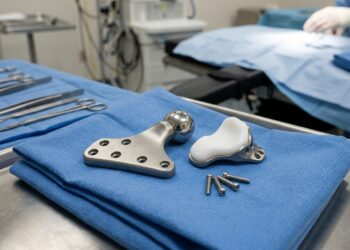
  • Alloplastic Temporomandibular Joint Replacement Offers Uncertain Benefits After Mandibular Neoplasm Resection

    Alloplastic Temporomandibular Joint Replacement Offers Uncertain Benefits After Mandibular Neoplasm Resection

    29 shares
    Share 12 Tweet 7
  • Serum Mass Spectrometry Predicts Treatment Response in HER2-Positive Breast Cancer

    29 shares
    Share 12 Tweet 7
  • Polypharmacy Linked to Higher Odds of Sarcopenia in Older Adults

    29 shares
    Share 12 Tweet 7
  • Adapted Virtual Presence Tool Proves Feasible in Pilot Manikin Simulation Courses

    29 shares
    Share 12 Tweet 7

About

We bring you the latest biotechnology news from best research centers and universities around the world. Check our website.

Follow us

Recent News

Sexual Dysfunction Signals Early Autonomic Involvement in Rare Hereditary Transthyretin Amyloidosis

Laboratory Evolution Boosts Trehalose Production in Cupriavidus necator via Osmotic Stress Adaptation

Inherited Mutations in Manganese Transporters Cause Distinct Metabolic Disorders

Subscribe to Blog via Email

Enter your email address to subscribe to this blog and receive notifications of new posts by email.

Join 88 other subscribers
  • Contact Us

Bioengineer.org © Copyright 2023 All Rights Reserved.

Welcome Back!

Login to your account below

Forgotten Password?

Retrieve your password

Please enter your username or email address to reset your password.

Log In
No Result
View All Result
  • Homepages
    • Home Page 1
    • Home Page 2
  • News
  • National
  • Business
  • Health
  • Lifestyle
  • Science

Bioengineer.org © Copyright 2023 All Rights Reserved.