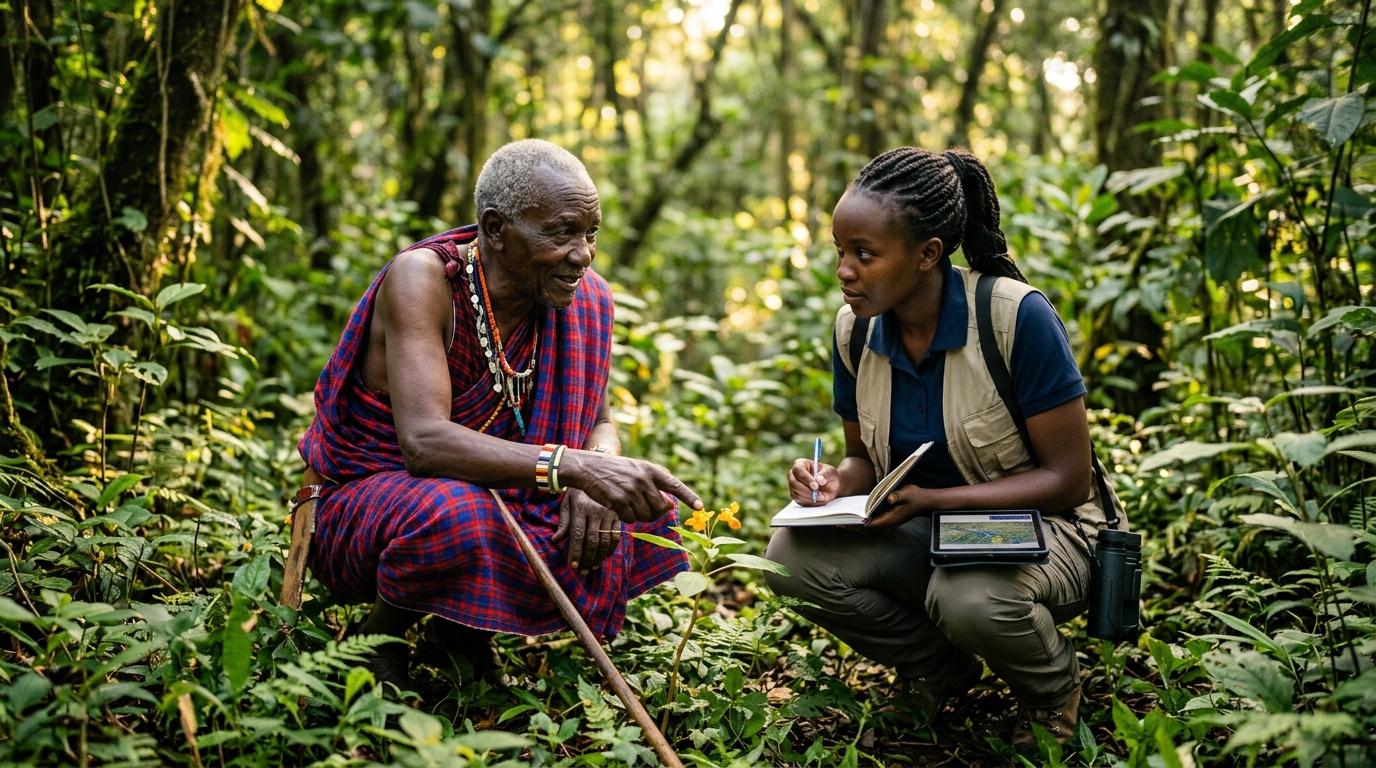
A continental systematic review has found that African ethnobiological knowledge has measurable conservation value. Analyzing 81 eligible peer-reviewed studies across 32 African countries, the synthesis found that this knowledge links to conservation, biodiversity, and sustainable resource management, although it is being lost and is rarely integrated into formal policies.
The research adhered to the PRISMA 2020 guidelines and applied Critical Appraisal Skills Programme checklists to evaluate eligible literature. The investigation concentrated on studies connecting ethnobotanical, ethnozoological, and traditional ecological knowledge to sustainable resource management, biodiversity, and conservation. Geographically, East and West African nations represented more than half of the evidence base, contributing 41 combined studies.
Ten interrelated thematic categories emerged from the synthesized literature, documenting varied roles of community-held knowledge. These core themes encompassed traditional ecological knowledge serving as a baseline for conservation, sacred natural sites functioning as refugia for biodiversity, quantitative prioritization strategies for useful wild species, food and animal-health security, alongside patterns of knowledge decline and policy integration challenges.
National inventories compiled within the synthesis highlighted extensive local biodiversity utilization across individual African nations. In Nigeria, country syntheses recorded 963 useful plant species, while Ethiopian records documented 651 wild edible plant species. Furthermore, informant consensus factor values reached 0.91.
Sacred natural sites were identified as biodiversity refugia. One Nigerian sacred grove held more than 400 plant species and about 300 primates.
The study concludes that while African ethnobiological knowledge has measurable conservation value, it is being lost. A 15-year revisit study conducted in a Maasai community located in Kenya revealed that approximately 40 percent of plant species previously gathered and utilized had fallen out of active community use, demonstrating rapid loss of ethnobotanical heritage over time.
The review concluded that while African ethnobiological traditions offer measurable conservation value, these insights are rarely incorporated into statutory conservation policies. To address these vulnerabilities, the synthesis recommends formally granting legal recognition to sacred and community-managed sites, establishing co-management partnerships with indigenous knowledge holders, undertaking matched-site studies of conservation outcomes, and conducting repeat surveys to monitor knowledge attrition.
Subject of Research: Systematic review of African ethnobiological knowledge in conservation and biodiversity preservation
Article Title: Reviewing the roles of African ethnobiology in environmental conservation and biodiversity preservation: a systematic review
Article References: Lema, M. W. (2026). Reviewing the roles of African ethnobiology in environmental conservation and biodiversity preservation: a systematic review. Journal of Ethnobiology and Ethnomedicine. https://doi.org/10.1186/s13002-026-00985-3
Image Credits: AI Generated
DOI: 10.1186/s13002-026-00985-3
Keywords: African ethnobiology, traditional ecological knowledge, biodiversity preservation, environmental conservation, systematic review, PRISMA guidelines, sacred natural sites, ethnobotany, ethnozoology, informant consensus factor, sacred groves, wild edible plants, knowledge loss, co-management, indigenous knowledge, community resource management, Nigeria ethnobotany, Ethiopia edible plants
News Source: Margaret Porter. (November 17, 2026). Review Finds African Ethnobiological Knowledge Has Measurable Conservation Value. Scienmag.