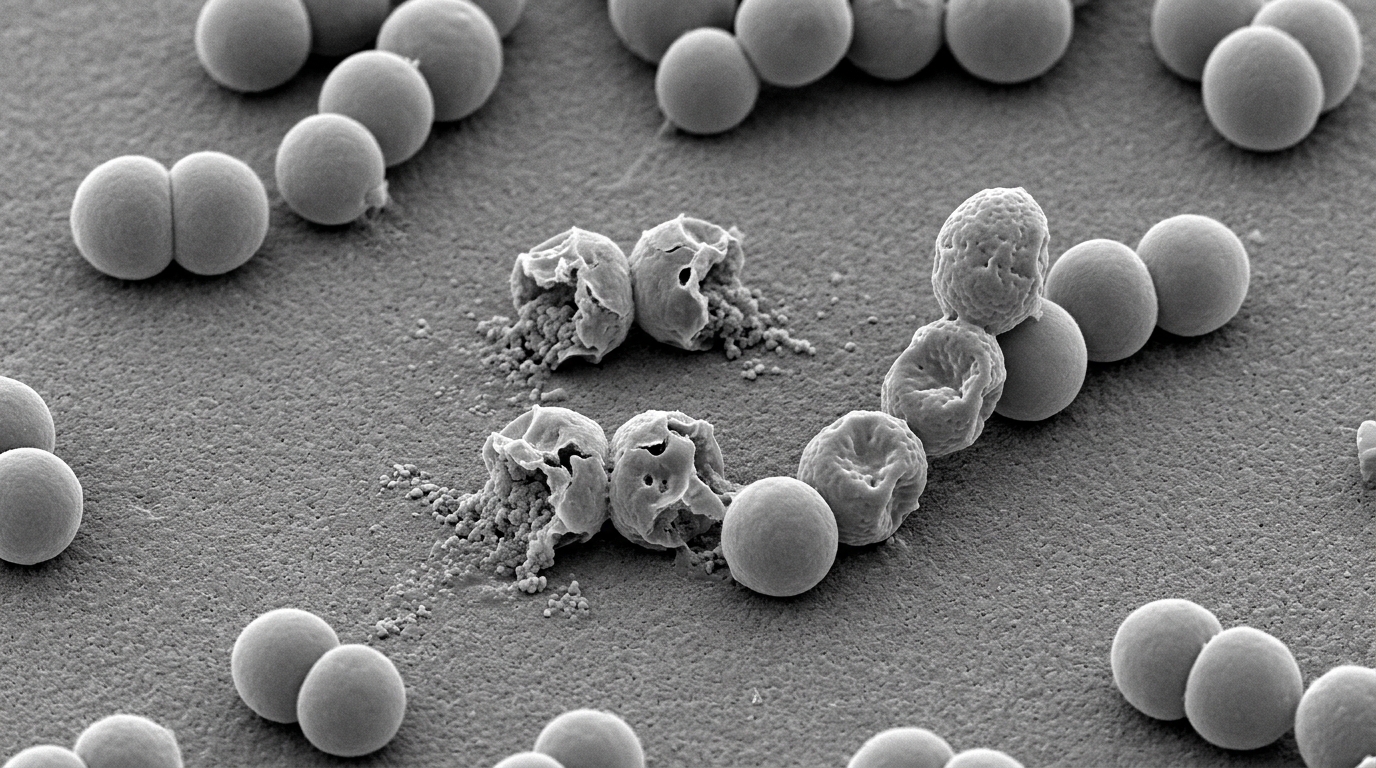
Researchers have engineered and preclinically characterized a dual-action endolysin-based chimeric protein designed to treat severe bacterial infections of the central nervous system by simultaneously killing antibiotic-resistant pathogens and neutralizing released toxins. Utilizing the well-characterized pneumococcal endolysin cpl-1 as a proof-of-concept molecular scaffold, the investigational fusion protein targets Streptococcus pneumoniae, commonly referred to as the pneumococcus. The preclinical study assessed the performance of this engineered biologic across a rigorous series of laboratory evaluations, which included bactericidal assays in human physiological fluids, cytotoxicity assays in cultured human neuronal models, and therapeutic survival trials in mice.
The research addresses a pressing clinical necessity driven by the global escalation of antimicrobial resistance and the distinct therapeutic limitations of current antimicrobial regimens against toxin-mediated pathology. In the context of pneumococcal meningitis, which represents a primary cause of patient mortality and permanent neurological sequelae, conventional clinical intervention is frequently complicated by antibiotic-resistant bacterial strains. Furthermore, standard bactericidal antibiotics can inadvertently compound tissue damage; when these drugs rupture bacterial cells, they prompt the release of pneumolysin, a destructive pore-forming toxin that actively accelerates neuroinflammation and severe neuronal damage in host brain tissue.
To resolve the dual challenges of drug resistance and toxin-induced neurological harm, the scientists developed an innovative molecular architecture combining enzymatic lysis with specific toxin capture. The chimeric protein was created by fusing a Mannose Receptor C-type 1 (MRC-1)-derived anti-pneumolysin peptide directly to the N-terminus of the parental cpl-1 endolysin. Known as Ply-binding peptide (PBP)-cpl-1, this engineered fusion protein operates through a dual mechanism of action, combining rapid bactericidal degradation of the bacterial cell wall with targeted neutralization of free pneumolysin molecules to prevent downstream cytotoxic cascade events.
Experimental evaluations demonstrated that the engineered endolysin possessed robust bactericidal potency against a broad panel of Streptococcus pneumoniae strains, encompassing both antibiotic-resistant variants and non-vaccine serotypes. The chimeric molecule retained high enzymatic activity when introduced into complex human biological matrices. In tests conducted using ex vivo human blood, exposure to the fusion protein resulted in an approximately 2-log10 colony-forming unit per milliliter reduction in viable bacterial concentration. Similarly, when tested in human cerebrospinal fluid, the agent produced an approximately 60 percent reduction in sample turbidity, validating its functional bactericidal capacity within fluid environments characteristic of the central nervous system.
Beyond its direct antimicrobial properties, the chimeric protein successfully mitigated the pathological effects of toxin release on host cells. Because conventional bactericidal antibiotics often exacerbate toxin release during bacterial clearance, the integration of the MRC-1-derived peptide was designed to counteract this detrimental process. In human neuronal cell culture models, the fusion protein effectively bound pneumolysin, which reduced infection-associated neuronal cytotoxicity by more than 25 percent compared with the baseline performance of unmodified cpl-1 endolysin. Mechanistically, this peptide addition prevented the pore-forming toxin from compromising neuronal integrity while the endolysin scaffold continued to drive bacterial eradication.
In vivo evaluations further demonstrated that the engineered fusion protein possesses the biological capacity to cross the blood-brain barrier. In a validated animal model involving mice infected with penicillin-resistant invasive pneumococcal disease, researchers administered the PBP-cpl-1 construct in combination with standard-of-care antibiotics to examine potential therapeutic synergy. While untreated control animals exhibited 0 percent survival, the combination treatment yielded approximately 60 percent survival following a single administered dose and 65 percent survival following a two-dose treatment course, establishing substantial protection against an otherwise lethal systemic infection.
In addition to providing significant survival benefits in animal models, the combination therapy markedly delayed disease progression and attenuated inflammatory responses throughout the brain as well as in peripheral tissues. The authors concluded that these preclinical findings firmly position engineered endolysins as a promising next-generation anti-infective treatment strategy. This dual-action platform offers particular value for severe infections located within anatomically protected niches, most notably the central nervous system, where existing antibiotic therapies frequently demonstrate constrained penetrance, reduced efficacy, and limited ability to prevent toxin-driven cellular destruction.
Subject of Research: Preclinical evaluation of an engineered dual-action endolysin targeting Streptococcus pneumoniae and pneumolysin
Article Title: Engineered cpl-1 endolysin for dual-action treatment of central nervous system bacterial infections: killing antibiotic-resistant bacteria and neutralizing released toxins
Article References: Elst, N. V., Merlijn, L., Farmen, K., Mocci, V., Caceffo, C., Kemboi, D., Alreja, A. B., Nelson, D. C., & Iovino, F. (2026). Engineered cpl-1 endolysin for dual-action treatment of central nervous system bacterial infections: killing antibiotic-resistant bacteria and neutralizing released toxins. Molecular Medicine. https://doi.org/10.1186/s10020-026-01697-w
Image Credits: AI Generated
DOI: 10.1186/s10020-026-01697-w
Keywords: Streptococcus pneumoniae, cpl-1 endolysin, pneumococcal meningitis, pneumolysin, antimicrobial resistance, dual-action fusion protein, bactericidal activity, toxin neutralization, Mannose Receptor C-type 1, blood-brain barrier, cerebrospinal fluid, preclinical pharmacology, invasive pneumococcal disease, neuroinflammation, neuronal cytotoxicity, penicillin resistance, synergistic antibiotic therapy
News Source: Cassandra Pierce. (November 17, 2026). Engineered Dual-Action Endolysin Clears Resistant Pneumococcus and Neutralizes Toxin in Preclinical Study. Scienmag.