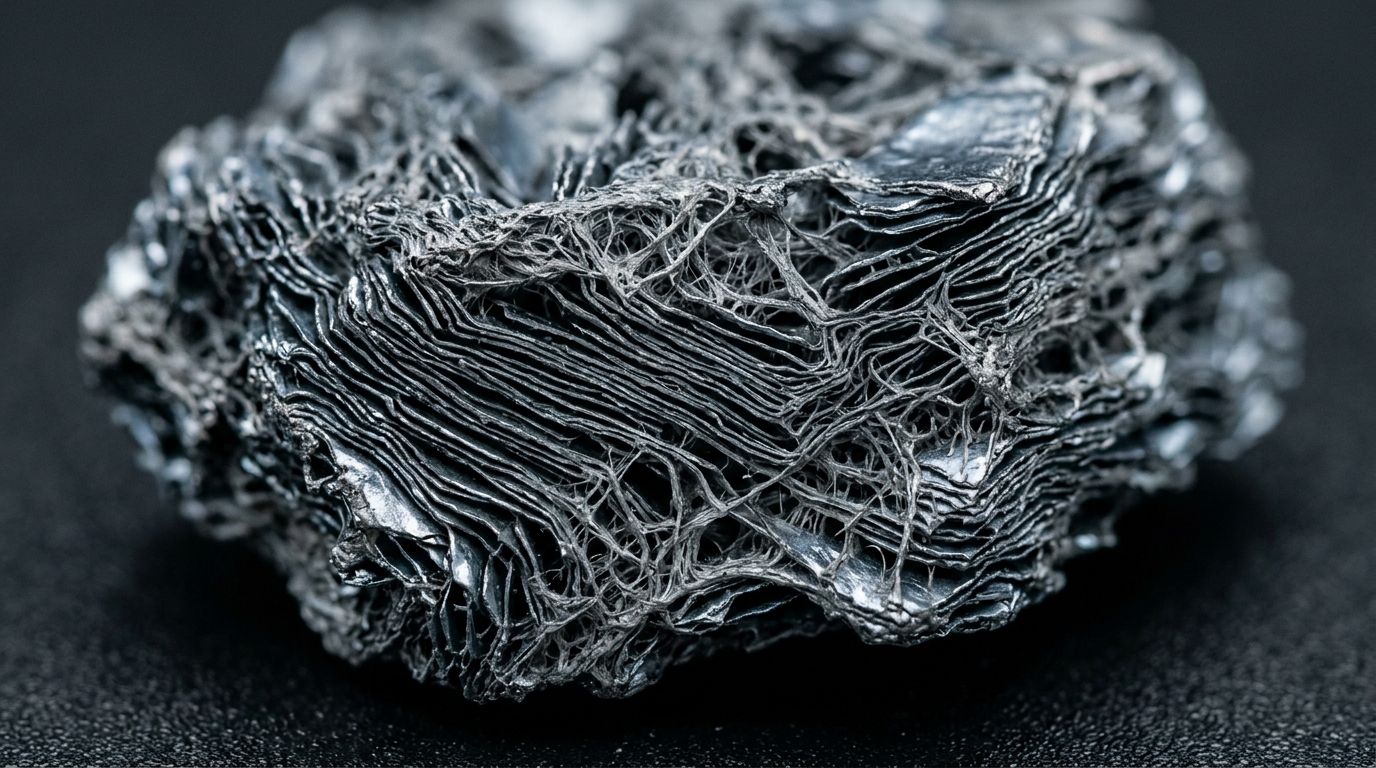
MXene-polymer composites have emerged as a significant area of research for electromagnetic interference (EMI) shielding, with the construction of effective conductive networks serving as the primary driver for performance optimization. A new review in the Journal of Materials Science: Materials in Engineering systematically evaluates the current advancements and persistent hurdles in this field. Researchers emphasize that while the potential for these materials is well-established, the specific roles that conductive networks play—particularly when examined through both microscale interfaces and macroscale structures—remain partially characterized.
The review categorizes the state of the field across three fundamental dimensions: the intrinsic conductivity inherent in MXene nanosheets, the strategies employed for interfacial modulation, and the principles guiding macrostructural design. By dissecting these components, the authors aim to address existing gaps in understanding how these elements interact to regulate shielding efficacy. The study critically discusses a range of representative approaches that have been implemented to refine conductive-network architectures, providing a comprehensive assessment of how these engineering techniques translate into enhanced material performance.
Despite recent progress, the authors identify several critical challenges that continue to impede the widespread application of these composites. By systematically summarizing the current body of literature, the researchers highlight the limitations of current manufacturing and design methods. The review concludes by offering targeted recommendations and proposing future research directions, specifically focused on improving the control of EMI shielding performance through more sophisticated conductive-network engineering.
This systematic evaluation provides a framework for future development in the design of high-performance shielding materials. By connecting the dots between individual material properties and broader structural design, the authors suggest that continued focus on interfacial and macrostructural optimization will be essential to overcome the remaining barriers in the field. This review serves as a citable summary of current breakthroughs and a roadmap for researchers looking to advance the capability of polymer-based EMI shielding composites.
Specifically, understanding how conductive networks function requires examining microscale interfaces alongside macroscale structures rather than viewing them in isolation. Because the intrinsic conductivity of MXene nanosheets provides only one dimension of performance, interfacial modulation strategies must align directly with macrostructural design principles. Critically reviewing representative approaches to engineered network architectures helps clarify how these interrelated factors influence electromagnetic interference shielding. Finally, identifying current challenges and offering targeted recommendations provides essential future directions for systematically controlling composite shielding performance through advanced network engineering.
Subject of Research: Materials science research on electromagnetic interference shielding composites.
Article Title: Regulating the electromagnetic shielding performance of MXene/polymer composites through conductive network engineering: a review
Article References: Bai, Z., Zhang, Q., Zhang, S., Zhao, B., Wang, M., Li, K., Xu, Y., Sun, W., & Guo, X. (2026). Regulating the electromagnetic shielding performance of MXene/polymer composites through conductive network engineering: a review. Journal of Materials Science: Materials in Engineering. https://doi.org/10.1186/s40712-026-00649-w
Image Credits: AI Generated
DOI: 10.1186/s40712-026-00649-w
Keywords: MXene, polymer composites, electromagnetic interference, EMI shielding, conductive networks, materials engineering, microscale interfaces, macroscale structures, interfacial modulation, material science, composite materials, Regulating, electromagnetic, shielding, performance
News Source: Denise Maddox. (November 17, 2026). Engineering Conductive Networks Improves Electromagnetic Shielding in MXene-Polymer Composites. Scienmag.