A computational systems biology study has characterized the meridian tropism patterns of antitumor traditional Chinese medicines, identifying shared molecular targets across ovarian, cervical, and bladder cancers. In an analysis published in the journal Discover Oncology, researchers Sheng Zhang, Tian Zhang, and Xiuxiu Zhu investigated the traditional Chinese medicine principle known as same treatment for different diseases. The investigative team focused specifically on whether antitumor herbs associated with the liver-kidney meridian combination converge on common biological pathways in lower-jiao gynecological and urinary malignancies. By integrating public database curation with network pharmacology and structural modeling, the authors developed an objective, systems-level framework that explains how traditional meridian classifications correspond to modern molecular mechanisms across distinct anatomical tumor types.
To establish this computational framework, the researchers systematically curated and analyzed a broad pharmacological dataset comprising 354 antitumor traditional Chinese medicines along with 5,471 chemical constituents sourced from publicly available databases. The study employed an integrated analytical design that combined multiple computational methods, including data mining, weighted network analysis, network pharmacology, molecular docking simulations, Kaplan-Meier survival curves, and gene expression profiling derived from The Cancer Genome Atlas database. Through this structured multi-step workflow, the authors mapped the overall statistical distribution of meridian tropism, identified central bioactive compounds, determined intersecting genomic targets among the three cancers, evaluated patient prognostic relevance, and examined whether hub gene activity varied across progressive clinical tumor stages.
Statistical assessment of the curated catalog established that antitumor traditional Chinese medicines exhibit pronounced preferences for specific organ meridians, with the liver and kidney classifications playing prominent roles. Across all analyzed antitumor remedies, the top five documented meridians were the liver meridian at 21.20 percent, the lung meridian at 16.40 percent, the spleen meridian at 13.40 percent, the stomach meridian at 13.20 percent, and the kidney meridian at 10.40 percent. When cross-referencing tumor types with herbal profiles, the computational network revealed that ovarian cancer, cervical cancer, and bladder cancer grouped together into the single largest tumor–herb cluster, accounting for 43 percent of all identified associations. This dominant multi-cancer cluster was predominantly connected to botanical remedies targeting the combined liver and kidney meridians.
To identify the pharmacological agents driving this grouping, the researchers applied weighted network topology analysis to the constituent chemical database, isolating five primary core bioactive compounds: beta-sitosterol, quercetin, linoleic acid, palmitic acid, and caffeic acid. Cross-referencing these botanical compounds against the disease profiles of ovarian, cervical, and bladder cancers uncovered 21 intersecting molecular targets. Within this shared network of intersecting targets, five key hub genes emerged as central nodes: AKT1, MYC, TP53, EGF, and MMP9. Functional pathway enrichment analysis using the Kyoto Encyclopedia of Genes and Genomes demonstrated that these shared targets participate predominantly in the PI3K-Akt signaling pathway, platinum drug resistance mechanisms, and related therapeutic resistance pathways in cancer cells.
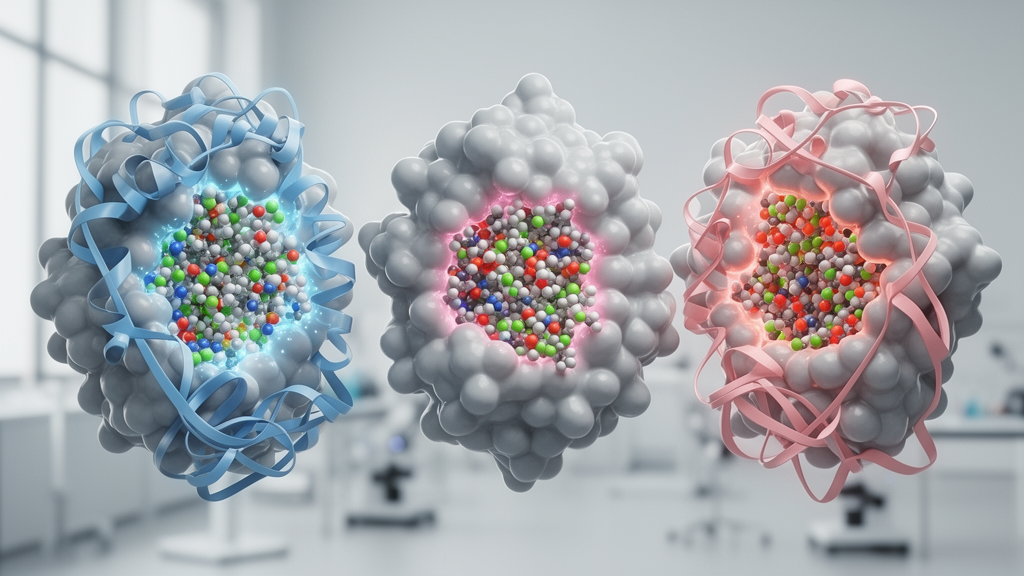
The investigators next performed structural modeling and clinical outcome evaluations to assess the functional plausibility of the identified molecular network. Molecular docking simulations tested the physical binding interactions between the core compounds and the five hub proteins, demonstrating that beta-sitosterol exhibited the strongest binding affinity with AKT1 at −9.34 kcal/mol among the five hubs, supporting beta-sitosterol and AKT1 as a structurally plausible interaction pair. In parallel, pan-cancer Kaplan-Meier survival analysis revealed that elevated expression of MYC and EGF was significantly associated with poorer overall survival among cancer patients, highlighting them as the most clinically relevant prognostic nodes in the network. By contrast, expression levels of AKT1, TP53, and MMP9 displayed tumor-specific prognostic trends without demonstrating universal statistical significance across all three malignancies.
In addition to overall patient survival, the researchers evaluated stage-specific expression profiles to determine whether hub gene expression fluctuates as malignancies progress through different clinical stages. Analysis of patient expression data revealed that the core hub genes—most notably MYC and AKT1—maintained relatively stable expression levels across advancing tumor stages. Statistical testing confirmed that there was no statistically significant linear correlation between hub gene expression levels and disease progression across the examined stages. These stage-specific findings indicate that these central hub genes function largely independently of clinical tumor stage, suggesting that their regulatory roles remain active across both early-stage and advanced-stage disease development.
The study authors concluded that their findings provide a hypothesis-generating, systems-level computational framework for liver-kidney-based same treatment for different diseases in lower-jiao gynecologic and urinary tumors. By linking liver-kidney-associated compounds, particularly beta-sitosterol and quercetin, to the PI3K-Akt signaling cascade and platinum drug resistance pathways via hub targets like AKT1, MYC, TP53, EGF, and MMP9, the computational model offers a structured molecular rationale for shared herbal treatments. However, the authors explicitly noted an important limitation: the precise specificity of this liver-kidney module relative to other possible meridian combinations has not yet been demonstrated and awaits formal comparative validation through future empirical research.
Subject of Research: Computational analysis of meridian tropism and molecular modules in antitumor herbal medicines
Article Title: Deciphering liver-kidney meridian tropism and shared molecular modules of antitumor herbal medicines in ovarian, cervical, and bladder cancers
Article References: Zhang, S., Zhang, T., & Zhu, X. (2026). Deciphering liver-kidney meridian tropism and shared molecular modules of antitumor herbal medicines in ovarian, cervical, and bladder cancers. Discover Oncology. https://doi.org/10.1007/s12672-026-06096-5
Image Credits: AI Generated
DOI: 10.1007/s12672-026-06096-5
Keywords: meridian tropism, traditional Chinese medicine, ovarian cancer, cervical cancer, bladder cancer, network pharmacology, molecular docking, beta-sitosterol, quercetin, AKT1, MYC, TP53, EGF, MMP9, PI3K-Akt signaling pathway, platinum drug resistance, TCGA expression profiling
News Source: Nathaniel Bowman. (November 14, 2026). Computational Study Maps Herbal Targets in Ovarian, Cervical, and Bladder Cancers. Scienmag.