A systematic review published in Supportive Care in Cancer has evaluated the impact of physiological prehabilitation on adults with multiple myeloma or lymphoma who are preparing for cellular or immune-based therapies. The study, led by Janelle Marie Susa Barredo and colleagues, aimed to assess how exercise interventions begun before treatment influence physical function, muscle strength, quality of life, and fatigue. The review synthesized findings from twelve studies involving a total of 501 participants, providing a comprehensive overview of the current evidence base for this specific clinical population.
The research team searched six databases from their inception until 4 September 2026 to identify relevant literature. Eligible studies included randomised controlled trials and quasi-experimental designs where exercise commenced prior to stem cell transplantation, chimeric antigen receptor T-cell therapy, or bispecific T-cell engager therapy. The review focused on interventions that assessed physical function alongside muscle strength, quality of life, or fatigue, using Joanna Briggs Institute tools to appraise the methodological quality of the included studies.
Among the twelve included studies, three were pilot randomised controlled trials and nine were quasi-experimental studies. The majority of these investigations evaluated patients undergoing stem cell transplantation, with two studies focusing on chimeric antigen receptor T-cell therapy. Notably, none of the included studies evaluated bispecific T-cell engager therapy, highlighting a gap in the current evidence for this specific modality. The predominance of uncontrolled designs in the literature limits the strength of causal inferences that can be drawn from the aggregated findings.
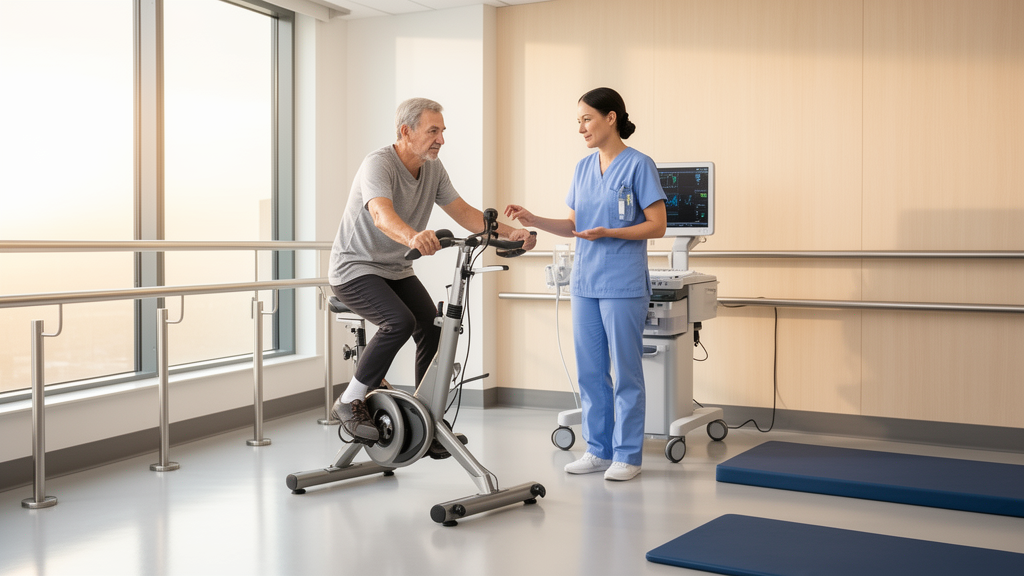
The exercise interventions varied, but aerobic combined with resistance or strength training was the most common approach.
The review found that physical function and lower-limb performance outcomes were generally favourable across the studies. However, the results for handgrip strength, quality of life, and fatigue were mixed, indicating that the benefits of prehabilitation may not be uniform across all physiological and subjective measures.
The heterogeneity in methods across the included studies posed significant challenges for interpretation.
The authors conclude that physiological prehabilitation shows preliminary promise for functional preparation before treatment. The common use of aerobic and resistance exercise, along with the reported programme durations, warrants further comparative evaluation. Standardised reporting of exercise characteristics and the assessment of clinically meaningful outcomes are essential for advancing this field. Future research should focus on adequately powered, therapy-specific randomised controlled trials to clarify the safety and sustained recovery benefits of prehabilitation.
While the current evidence is limited by methodological constraints, the favourable trends in physical function suggest a potential role for prehabilitation in improving treatment readiness.
Subject of Research: Systematic review of physiological prehabilitation for cellular therapy in multiple myeloma and lymphoma
Article Title: Physiological prehabilitation for patients undergoing cellular therapy in multiple myeloma and lymphoma: a systematic review
Article References: Barredo, J. M. S., Lim, C. C., Loy, Y., Ooi, M., & Zeng, Y. (2026). Physiological prehabilitation for patients undergoing cellular therapy in multiple myeloma and lymphoma: a systematic review. Supportive Care in Cancer, 34(12), Article 1216. https://doi.org/10.1007/s00520-026-11427-x
Image Credits: AI Generated
DOI: 10.1007/s00520-026-11427-x
Keywords: prehabilitation, multiple myeloma, lymphoma, cellular therapy, exercise intervention, systematic review, physical function, stem cell transplantation, CAR-T therapy, quality of life, Physiological, patients
News Source: Nathaniel Bowman. (November 10, 2026). Prehabilitation Exercise Shows Mixed Results Before Cellular Therapy. Scienmag.