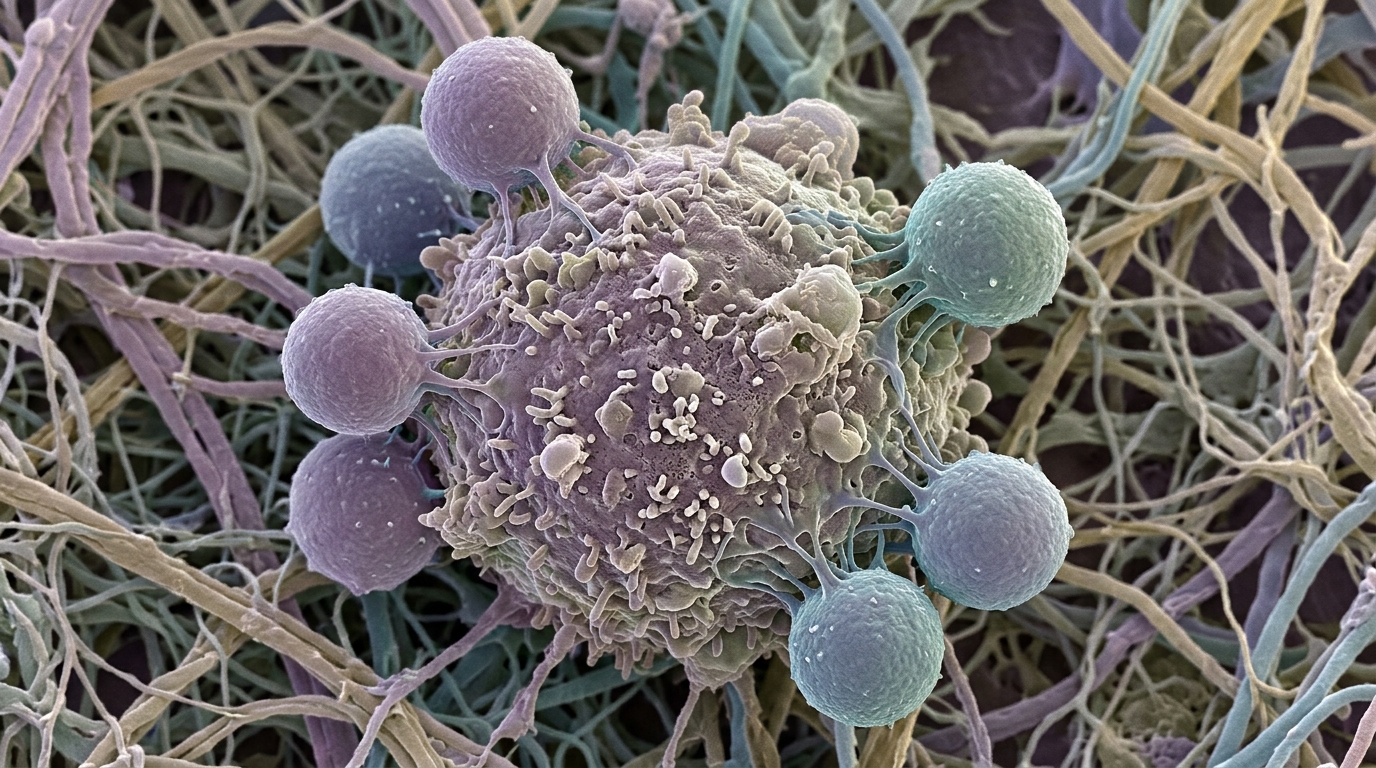
A review published in Discover Oncology reports that N6-methyladenosine (m6A) RNA modification serves as a dynamic post-transcriptional regulatory layer that connects ferroptotic cell death and immune remodeling to therapeutic adaptation in non-small cell lung cancer. Non-small cell lung cancer exhibits marked molecular, metabolic, and immune heterogeneity, and ongoing treatment pressure further reshapes these cellular states as tumors develop therapeutic resistance. By exerting post-transcriptional control over RNA stability, RNA translation, RNA degradation, and RNA processing, m6A modification actively influences the molecular pathways involved in ferroptosis as well as broader tumor–immune interactions.
Susceptibility to ferroptosis is similarly state-dependent in lung cancer, reflecting a delicate balance among redox-active iron, membrane lipid composition, and partially compensatory antioxidant systems. Emerging research indicates that m6A-dependent RNA regulation can alter cystine metabolism, iron handling, and membrane lipid remodeling, while also modulating both GPX4-centered and GPX4-independent antioxidant defense mechanisms. In turn, ferroptotic cellular stress exerts reciprocal effects on the tumor microenvironment by modifying immune checkpoint signaling, altering stromal and myeloid cell states, and influencing CD8⁺ T-cell function.
A critical insight highlighted in the review is that the effects of ferroptosis are strictly compartment specific within non-small cell lung cancer tissue. Inducing ferroptotic cell death within malignant cells can enhance tumor control; conversely, ferroptotic injury occurring in surrounding immune cells can impair antitumor immunity. Furthermore, the review examines how specific tumor genotypes and patient treatment histories shape the interactions among m6A regulation, ferroptosis susceptibility, and the immune landscape during therapeutic adaptation.
Assessing current research limitations, the authors emphasize that most existing studies have only established pairwise relationships among m6A regulation, ferroptosis, and immune remodeling, with only a smaller number of studies directly connecting all three layers within the same experimental context. By synthesizing these mechanistic layers, the review distinguishes direct causal evidence from association-based signatures. The authors conclude that translating this integrated framework into state-specific, biomarker-guided therapeutic strategies will require substantive methodological and biomarker advances to capitalize on emerging therapeutic opportunities in non-small cell lung cancer.
Subject of Research: m6A RNA regulation and ferroptosis in non-small cell lung cancer
Article Title: m6A RNA regulation connects ferroptosis and immune remodeling to therapeutic adaptation in non-small cell lung cancer
Article References: Liu, Z., Liu, H., Gong, A., Jia, L., & Qu, N. (2026). m6A RNA regulation connects ferroptosis and immune remodeling to therapeutic adaptation in non-small cell lung cancer. Discover Oncology. https://doi.org/10.1007/s12672-026-06257-6
Image Credits: AI Generated
DOI: 10.1007/s12672-026-06257-6
Keywords: non-small cell lung cancer, m6A RNA methylation, ferroptosis, immune remodeling, treatment resistance, GPX4, lipid remodeling, tumor microenvironment, regulation, connects, immune, remodeling
News Source: Nathaniel Bowman. (November 6, 2026). Review Links RNA Regulation to Ferroptosis and Immunity in Lung Cancer. Scienmag.