• HOME
  • NEWS
  • EXPLORE
    • CAREER
      • Companies
      • Jobs
    • EVENTS
    • iGEM
      • News
      • Team
    • PHOTOS
    • VIDEO
    • WIKI
  • BLOG
  • COMMUNITY
    • FACEBOOK
    • INSTAGRAM
    • TWITTER
Friday, November 6, 2026
BIOENGINEER.ORG
No Result
View All Result
  • Login
  • HOME
  • NEWS
  • EXPLORE
    • CAREER
      • Companies
      • Jobs
        • Lecturer
        • PhD Studentship
        • Postdoc
        • Research Assistant
    • EVENTS
    • iGEM
      • News
      • Team
    • PHOTOS
    • VIDEO
    • WIKI
  • BLOG
  • COMMUNITY
    • FACEBOOK
    • INSTAGRAM
    • TWITTER
No Result
View All Result
Bioengineer.org
No Result
View All Result
Home NEWS Science News Health

Physical Activity Unlinked to Lower Anxiety or Depression in Autistic Children

by
November 5, 2026
in Health
Reading Time: 2 mins read
0
Physical Activity Unlinked to Lower Anxiety or Depression in Autistic Children

Physical Activity Unlinked to Lower Anxiety or Depression in Autistic Children

Share on FacebookShare on TwitterShare on LinkedinShare on RedditShare on Telegram

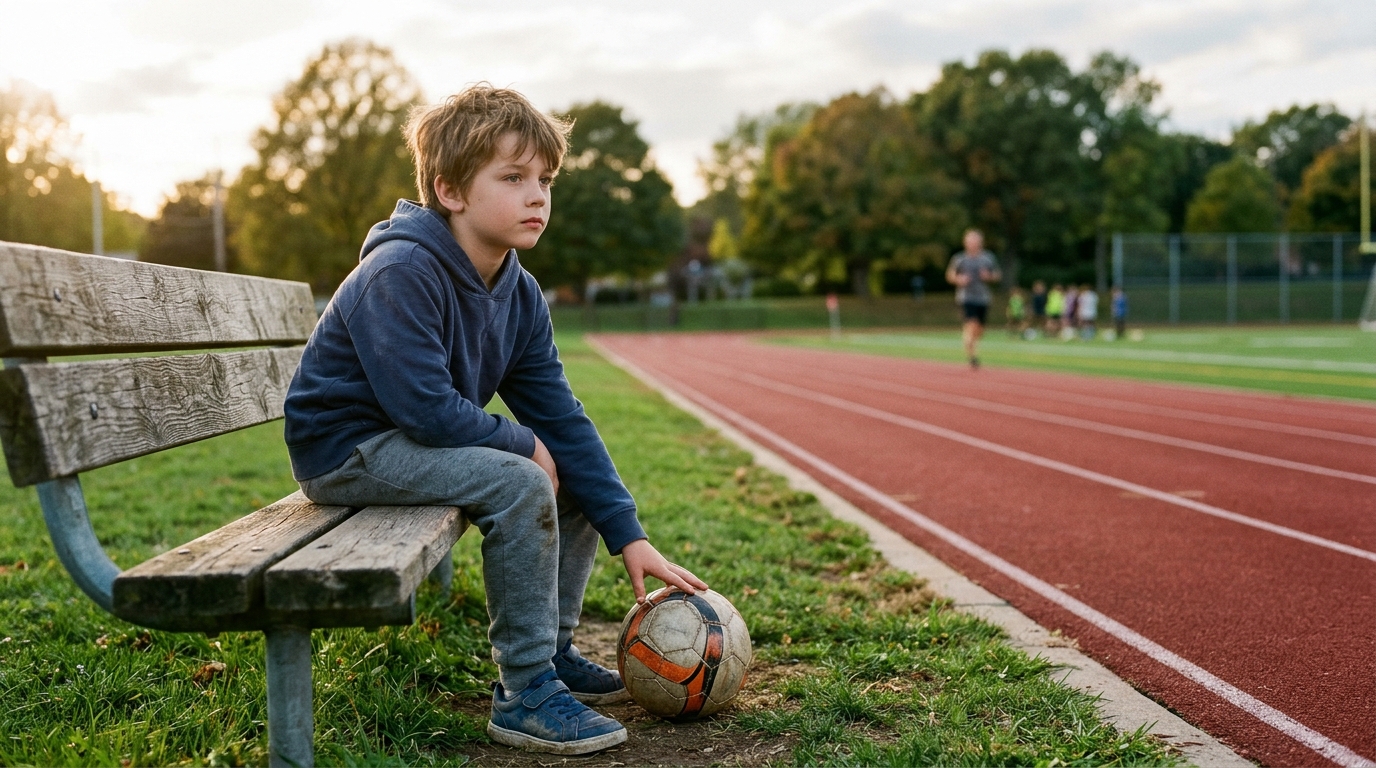
Higher physical activity was not significantly associated with lower anxiety severity or depression severity among autistic children, according to an analysis of data from 5,750 children aged 6 to 17 with autism from the 2021–2024 National Survey of Children’s Health. Weighted regression models revealed that higher physical activity did not demonstrate a statistically significant relationship with reduced anxiety severity (β = –0.07, p = 0.233) or depression severity (β = –0.06, p = 0.525).

The investigation assessed whether physical activity moderated associations between economic hardship or cumulative adverse experiences and mental health severity, alongside exploratory interactions involving medication use and behavioral treatment. In adjusted models, neither economic hardship nor cumulative adverse experiences was significantly associated with anxiety or depression severity. Furthermore, none of the eight tested physical activity interaction terms reached statistical significance, with all resulting in p-values greater than 0.05.

While physical activity showed no significant protective association, the study identified that male sex, current medication use, and current behavioral treatment were each significantly associated with higher anxiety severity. The author concluded that higher physical activity neither related significantly to lower anxiety or depression severity nor moderated the links between adverse experiences or economic hardship and mental health within this sample, indicating that broader family and socioeconomic contexts may be important when interpreting mental health correlates in autistic children.

Subject of Research: Physical activity and mental health severity in autistic children

Article Title: Socioeconomic Hardship and Cumulative Adverse Experiences in Relation to Anxiety and Depression in Autistic Children: Exploring the Role of Physical Activity

Article References: Lee, Y. (2026). Socioeconomic Hardship and Cumulative Adverse Experiences in Relation to Anxiety and Depression in Autistic Children: Exploring the Role of Physical Activity. Journal of Autism and Developmental Disorders. https://doi.org/10.1007/s10803-026-07607-7

Image Credits: AI Generated

DOI: 10.1007/s10803-026-07607-7

Keywords: autism, physical activity, anxiety, depression, child mental health, pediatric health, socioeconomic hardship, National Survey of Children's Health, Socioeconomic, Hardship, Cumulative, Adverse

News Source: Glenn Wilkins. (November 5, 2026). Physical Activity Unlinked to Lower Anxiety or Depression in Autistic Children. Scienmag.

Tags: adverseAnxietyautismchild mental healthcumulativeDepressionHardshipNational Survey of Children’s Healthpediatric healthphysical activitysocioeconomicsocioeconomic hardship
Share12Tweet7Share2ShareShareShare1

Related Posts

COVID-19 abruptly raised developmental delays in preschool children across all education groups

COVID-19 abruptly raised developmental delays in preschool children across all education groups

November 6, 2026
Alopecia Areata: How Collapsing Immune Privilege Halts Hair Follicles

Alopecia Areata: How Collapsing Immune Privilege Halts Hair Follicles

November 6, 2026

Study Uncovers Distinct Somatic Mutations in Bernese Mountain Dog Lymphomas

November 6, 2026

Glucose Drink With Ketone Substrate Eases Hypoglycemia Recovery in Type 1 Diabetes Trial

November 6, 2026

POPULAR NEWS

  • MXene-sulfide composite breaks down tetracycline under visible light and survives repeated reuse

    MXene-sulfide composite breaks down tetracycline under visible light and survives repeated reuse

    29 shares
    Share 12 Tweet 7
  • Study Optimizes Friction Drilling Dynamics and Bushing Formation in Incoloy 800

    29 shares
    Share 12 Tweet 7
  • CRISPR Test Promises Point-of-Care Diagnosis for Sleeping Sickness

    29 shares
    Share 12 Tweet 7
  • Alopecia Areata: How Collapsing Immune Privilege Halts Hair Follicles

    29 shares
    Share 12 Tweet 7

About

We bring you the latest biotechnology news from best research centers and universities around the world. Check our website.

Follow us

Recent News

Research report: Whole-biomass Ulva lactuca-derived soil-degradable mulch films for sustainable agriculture

COVID-19 abruptly raised developmental delays in preschool children across all education groups

MXene-sulfide composite breaks down tetracycline under visible light and survives repeated reuse

Subscribe to Blog via Email

Enter your email address to subscribe to this blog and receive notifications of new posts by email.

Join 86 other subscribers
  • Contact Us

Bioengineer.org © Copyright 2023 All Rights Reserved.

Welcome Back!

Login to your account below

Forgotten Password?

Retrieve your password

Please enter your username or email address to reset your password.

Log In
No Result
View All Result
  • Homepages
    • Home Page 1
    • Home Page 2
  • News
  • National
  • Business
  • Health
  • Lifestyle
  • Science

Bioengineer.org © Copyright 2023 All Rights Reserved.