• HOME
  • NEWS
  • EXPLORE
    • CAREER
      • Companies
      • Jobs
    • EVENTS
    • iGEM
      • News
      • Team
    • PHOTOS
    • VIDEO
    • WIKI
  • BLOG
  • COMMUNITY
    • FACEBOOK
    • INSTAGRAM
    • TWITTER
Friday, November 6, 2026
BIOENGINEER.ORG
No Result
View All Result
  • Login
  • HOME
  • NEWS
  • EXPLORE
    • CAREER
      • Companies
      • Jobs
        • Lecturer
        • PhD Studentship
        • Postdoc
        • Research Assistant
    • EVENTS
    • iGEM
      • News
      • Team
    • PHOTOS
    • VIDEO
    • WIKI
  • BLOG
  • COMMUNITY
    • FACEBOOK
    • INSTAGRAM
    • TWITTER
No Result
View All Result
Bioengineer.org
No Result
View All Result
Home NEWS Science News Health

Cross-Site Multiomic Analysis Identifies Three Clinically Distinct Neuroendocrine Tumor Subtypes

by
November 5, 2026
in Health
Reading Time: 2 mins read
0
Cross-Site Multiomic Analysis Identifies Three Clinically Distinct Neuroendocrine Tumor Subtypes

Cross-Site Multiomic Analysis Identifies Three Clinically Distinct Neuroendocrine Tumor Subtypes

Share on FacebookShare on TwitterShare on LinkedinShare on RedditShare on Telegram

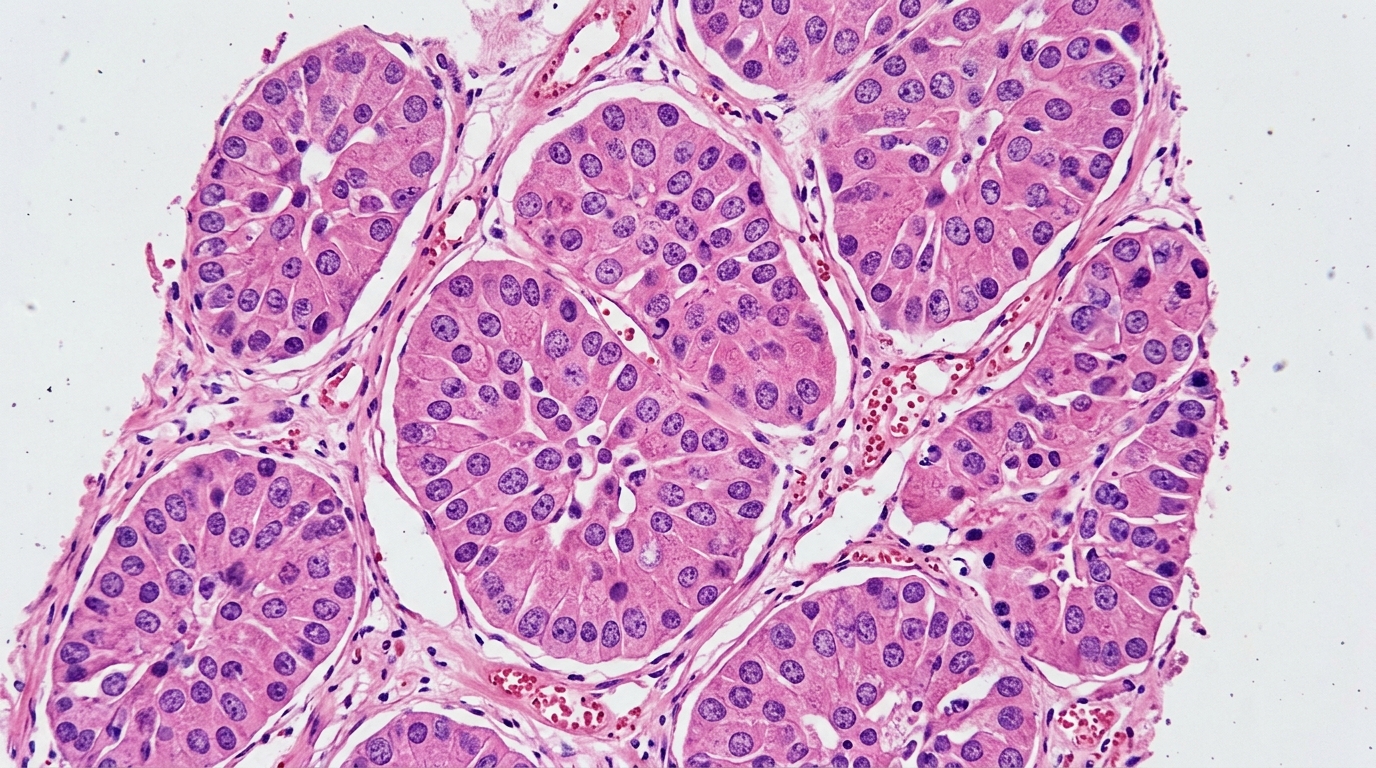
A multi-omic investigation integrating tumor gene expression and DNA methylation data from 194 patients has identified three distinct, site-independent molecular subtypes of neuroendocrine tumors that carry independent prognostic significance. Analyzing tumors across five anatomical locations—including the lung, stomach, pancreas, small intestine, and colorectum—researchers utilized multi-omic factor analysis and eight unsupervised clustering algorithms to define these biologically convergent groups, designated NS1, NS2, and NS3.

The three subtypes exhibited sharply contrasting biological features and clinical outcomes. The NS1 subtype demonstrated a strong immune phenotype enriched in metabolic and nutrient-digestion pathways, while NS2 showed pronounced neuroendocrine differentiation enriched in neuronal and secretory programs. Conversely, NS3 was characterized by global DNA hypermethylation and enrichment in DNA-replication pathways, resulting in significantly poorer outcomes, with a 10-year overall survival rate of 51.9% compared to 83.2% to 83.9% for NS1 and NS2 (p = 3 × 10⁻⁴).

Multivariable Cox proportional hazards models adjusting for patient age, sex, TNM stage, and primary tumor site established that these molecular classifications maintain prognostic value independent of primary tumor location. Furthermore, external validation in independent cohorts of lung, small intestine, and pancreatic tumors with publicly available multi-omic datasets confirmed the robustness of the consensus clustering. These findings provide a cross-site framework revealing convergent biological traits and shared vulnerabilities for future biomarker development and therapeutic design.

Subject of Research: Cross-site multiomic classification of neuroendocrine tumors

Article Title: Decoding neuroendocrine tumors: a cross-site multiomic approach unveils clinically relevant molecular subtypes

Article References: Carretero-Puche, C., Anton-Pascual, B., Lens-Pardo, A., Gomez-Lopez, G., Rubio-Fernandez, M., Rubio-Cuesta, B., Benavent, M., Gomez-Izquierdo, L., Jimenez-Fonseca, P., Teijo, A., Rodriguez-Gil, Y., Perna, C., Caminoa, A., Espinosa-Olarte, P., Salvia, A. L., Gomez-Sanchez, D., Jimenez-Santos, M. J., Garcia-Martin, S., Gibert, B., … Garcia-Carbonero, R. (2026). Decoding neuroendocrine tumors: a cross-site multiomic approach unveils clinically relevant molecular subtypes. Genome Medicine. https://doi.org/10.1186/s13073-026-01826-4

Image Credits: AI Generated

DOI: 10.1186/s13073-026-01826-4

Keywords: neuroendocrine tumors, multiomics, DNA methylation, gene expression, molecular subtypes, prognostic biomarkers, cancer genomics, Decoding, neuroendocrine, tumors, cross-site, multiomic

News Source: Nathaniel Bowman. (November 5, 2026). Cross-Site Multiomic Analysis Identifies Three Clinically Distinct Neuroendocrine Tumor Subtypes. Scienmag.


Tags: cancer genomicscross-siteDecodingDNA Methylationgene expressionmolecular subtypesmultiomicmultiomicsneuroendocrineNeuroendocrine TumorsPrognostic biomarkerstumors
Share12Tweet7Share2ShareShareShare1

Related Posts

Trust, relationships and funding gaps shape mental health implementation across England

Trust, relationships and funding gaps shape mental health implementation across England

November 6, 2026
Umbrella Review Finds Digital Health Effective but Not Superior to Standard Therapies

Umbrella Review Finds Digital Health Effective but Not Superior to Standard Therapies

November 6, 2026

Study Evaluates Pericardial Effusion Risk Factors in Adolescents With Anorexia Nervosa

November 6, 2026

Most Secondary Chest Tumors in Head and Neck Cancer Are Metastases, Study Finds

November 6, 2026

POPULAR NEWS

  • Engineered Interfaces and Module Design Drive Advanced Mixed-Matrix Hydrogen Separation

    Engineered Interfaces and Module Design Drive Advanced Mixed-Matrix Hydrogen Separation

    29 shares
    Share 12 Tweet 7
  • Trust, relationships and funding gaps shape mental health implementation across England

    29 shares
    Share 12 Tweet 7
  • Honey Bee Colonies Are Superorganisms, and Their Microbiota Depends on How You Sequence It

    29 shares
    Share 12 Tweet 7
  • Umbrella Review Finds Digital Health Effective but Not Superior to Standard Therapies

    29 shares
    Share 12 Tweet 7

About

We bring you the latest biotechnology news from best research centers and universities around the world. Check our website.

Follow us

Recent News

Engineered Interfaces and Module Design Drive Advanced Mixed-Matrix Hydrogen Separation

Trust, relationships and funding gaps shape mental health implementation across England

Honey Bee Colonies Are Superorganisms, and Their Microbiota Depends on How You Sequence It

Subscribe to Blog via Email

Enter your email address to subscribe to this blog and receive notifications of new posts by email.

Join 86 other subscribers
  • Contact Us

Bioengineer.org © Copyright 2023 All Rights Reserved.

Welcome Back!

Login to your account below

Forgotten Password?

Retrieve your password

Please enter your username or email address to reset your password.

Log In
No Result
View All Result
  • Homepages
    • Home Page 1
    • Home Page 2
  • News
  • National
  • Business
  • Health
  • Lifestyle
  • Science

Bioengineer.org © Copyright 2023 All Rights Reserved.