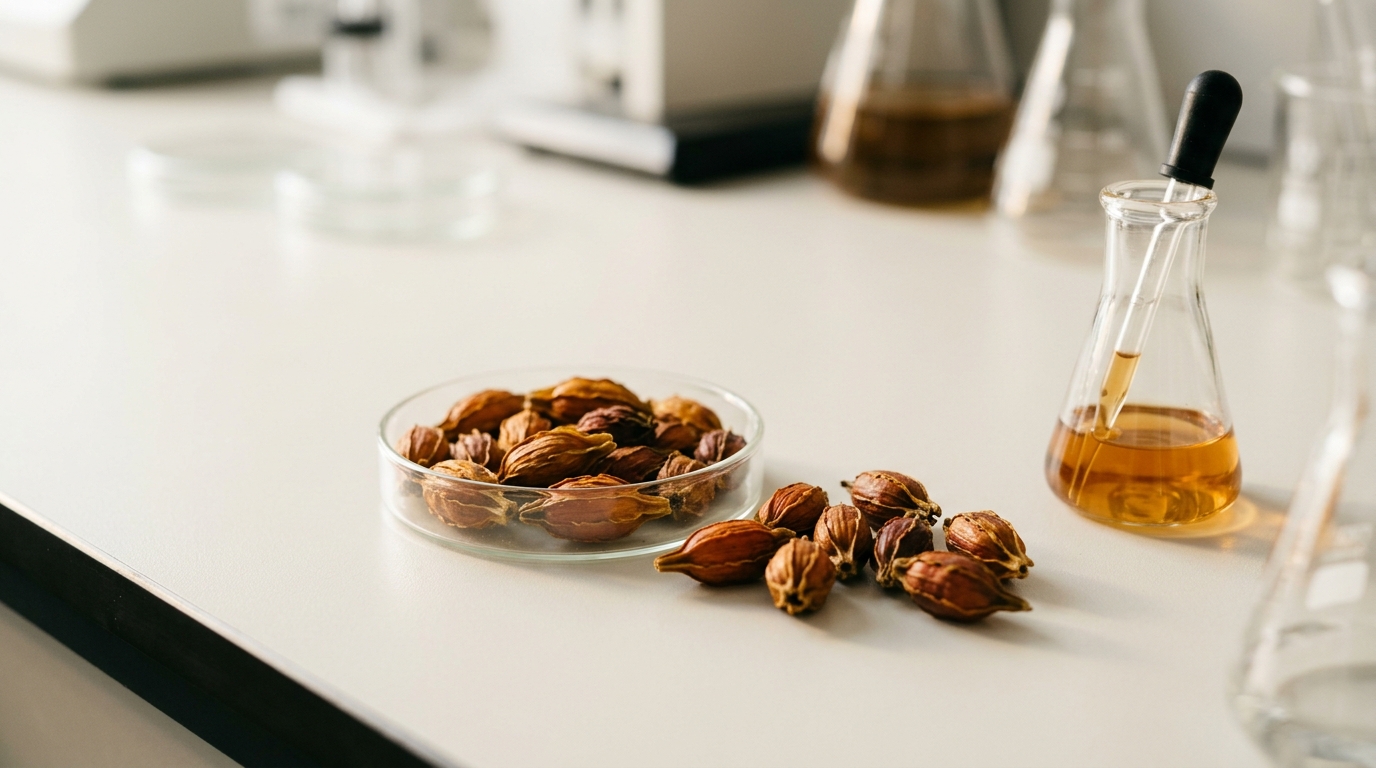
Acute pancreatitis is a sudden inflammatory disease of the pancreas that can range from mild abdominal discomfort to life-threatening organ failure, and clinicians currently have few therapies that target its underlying drivers. A new study in AMB Express points to an unexpected ally: Fructus Gardeniae, the dried fruit of a traditional medicinal herb, which appears to protect mice from pancreatic injury by rebuilding the gut microbial ecosystem. The work, published on 3 November 2026, was led by Feng Feng, Jingpo Zhang and colleagues, with Zengren Zhao among the senior authors.
Intestinal microbial dysbiosis—the loss of a balanced community of gut bacteria—has emerged as a pivotal contributor to the onset and progression of acute pancreatitis. When the gut barrier weakens, bacterial products such as endotoxin can translocate into the bloodstream and amplify the inflammatory storm that damages the pancreas. Yet therapeutic strategies that specifically target the gut microbiota to attenuate pancreatic injury have remained limited, which is precisely the gap the research team set out to address.
In the study, mice were pretreated with Fructus Gardeniae for seven consecutive days before being challenged with caerulein, a compound that reliably induces experimental acute pancreatitis. The researchers then carried out a comprehensive evaluation covering pancreatic pathology, intestinal barrier integrity, inflammatory responses, gut microbial composition and short-chain fatty acid profiles. This pretreatment design allowed them to test whether the herb could prime the gut ecosystem before injury struck.
The results were striking. Fructus Gardeniae administration markedly attenuated pancreatic damage, reduced systemic endotoxemia, preserved intestinal tight junction integrity and suppressed the release of pro-inflammatory cytokines. Tight junctions are the molecular seals between intestinal lining cells; keeping them intact prevents harmful microbial components from leaking into circulation and fueling distant organ inflammation.
To dissect the microbial mechanism, the team performed 16S ribosomal RNA gene sequencing, a technique that catalogs bacterial communities by reading a conserved genetic marker. The sequencing revealed that the herb effectively reversed the microbial dysbiosis associated with acute pancreatitis. It enriched beneficial taxa, including Ligilactobacillus and members of the Muribaculaceae family, while concurrently suppressing conditionally pathogenic phyla such as Pseudomonadota, a group that can flourish during inflammatory disease and worsen gut dysfunction.
The metabolic side of the story proved equally important. Fructus Gardeniae restored cecal concentrations of short-chain fatty acids, particularly acetate, propionate and butyrate. These molecules, produced when gut bacteria ferment dietary fiber, nourish colon cells, strengthen the barrier and modulate immune signaling. Pathway analysis using the Kyoto Encyclopedia of Genes and Genomes showed that the herb significantly enriched bacterial pathways linked to butanoate and propanoate metabolism, indicating a functional shift in the microbiome toward these protective metabolites rather than a random reshuffling of species.
The most compelling evidence came from fecal microbiota transplantation. When the researchers transferred fecal material from Fructus Gardeniae-treated donor mice into recipients whose own microbiota had been depleted with antibiotics, the protective phenotype was recapitulated. The recipients showed ameliorated pancreatic and intestinal injury, reduced inflammatory markers and a restoration of microbial diversity toward that of healthy controls. This transfer experiment demonstrates that the microbial community itself, not merely a direct chemical effect of the herb, carried much of the therapeutic benefit.
Collectively, the authors conclude that Fructus Gardeniae alleviates acute pancreatitis substantially through microbiota-dependent mechanisms, alongside potential direct effects on host tissues. That distinction matters: the fecal transplant data establish causation for the microbial route, while the herb’s direct actions on pancreatic or intestinal cells remain a plausible but less precisely defined contributor. The findings position this traditional medicinal fruit as a promising natural therapeutic agent for microbiome-targeted intervention in acute pancreatitis.
As with all preclinical research, the caveats are real. The study used a caerulein-induced mouse model, which captures key features of the human disease but does not replicate every clinical scenario, and the herb was given as a preventive pretreatment rather than as a treatment after symptoms appeared. Human trials will be needed before any recommendation for patients can be considered. Still, by linking a specific herbal intervention to defined microbial taxa, restored short-chain fatty acid metabolism and a causally demonstrated transplant effect, the study offers a concrete mechanistic blueprint for how microbiome-directed therapies might one day complement existing care for this dangerous inflammatory disease.
Subject of Research: How the medicinal herb Fructus Gardeniae protects mice from acute pancreatitis by restoring gut microbiota and short-chain fatty acids
Article Title: Fructus Gardeniae alleviates acute pancreatitis via restoring gut microbiota and short-chain fatty acids
Article References: Feng, F., Zhang, J., Li, A., Xu, C., Li, F., & Zhao, Z. (2026). Fructus Gardeniae alleviates acute pancreatitis via restoring gut microbiota and short-chain fatty acids. AMB Express. https://doi.org/10.1186/s13568-026-02133-2
Image Credits: AI Generated
DOI: 10.1186/s13568-026-02133-2
Keywords: acute pancreatitis, Fructus Gardeniae, gut microbiota, short-chain fatty acids, fecal microbiota transplantation, 16S rRNA sequencing, intestinal barrier, microbiome-targeted therapy, caerulein model, preclinical study, Fructus, Gardeniae
News Source: Morgan Morrow. (November 5, 2026). Fructus Gardeniae restores gut microbiota and short-chain fatty acids to ease acute pancreatitis in mice. Scienmag.