• HOME
  • NEWS
  • EXPLORE
    • CAREER
      • Companies
      • Jobs
    • EVENTS
    • iGEM
      • News
      • Team
    • PHOTOS
    • VIDEO
    • WIKI
  • BLOG
  • COMMUNITY
    • FACEBOOK
    • INSTAGRAM
    • TWITTER
Friday, October 30, 2026
BIOENGINEER.ORG
No Result
View All Result
  • Login
  • HOME
  • NEWS
  • EXPLORE
    • CAREER
      • Companies
      • Jobs
        • Lecturer
        • PhD Studentship
        • Postdoc
        • Research Assistant
    • EVENTS
    • iGEM
      • News
      • Team
    • PHOTOS
    • VIDEO
    • WIKI
  • BLOG
  • COMMUNITY
    • FACEBOOK
    • INSTAGRAM
    • TWITTER
No Result
View All Result
Bioengineer.org
No Result
View All Result
Home NEWS Science News Health

Loneliness Drives Declines in Mental, Cognitive and Functional Health in Older Europeans

by
October 29, 2026
in Health
Reading Time: 2 mins read
0
Loneliness Drives Declines in Mental, Cognitive and Functional Health in Older Europeans

Loneliness Drives Declines in Mental, Cognitive and Functional Health in Older Europeans

Share on FacebookShare on TwitterShare on LinkedinShare on RedditShare on Telegram

Loneliness may be both a cause and a consequence of poor health in later life, according to a longitudinal study published in the European Journal of Ageing. Sabela Siaba, Bruno Casal and Óscar Lourenço analysed data from the Survey on Health, Ageing and Retirement in Europe (SHARE), following adults aged 50 and over across European countries. Using structural equation modelling with a cross-lagged panel strategy, the researchers examined whether loneliness predicts deteriorating health over time, whether declining health fosters loneliness, or both.

The study focused on four health domains: chronic conditions, cognitive function, functional limitations and depressive symptoms. For three of these, the results pointed to dynamic, bidirectional effects. Loneliness was identified as a relevant longitudinal driver of worsening mental, cognitive and functional health, contributing more directly to deterioration in these domains than the reverse. In other words, among older adults, feeling lonely preceded declines in mood, thinking ability and everyday functioning to a greater degree than those health problems preceded loneliness.

Chronic physical illness showed a strikingly different, asymmetrical pattern. Rather than loneliness predicting the accumulation of chronic conditions, the analysis suggested a unidirectional effect running from chronic disease to loneliness: long-standing illness increased the likelihood that participants felt lonely, without a reciprocal effect back onto disease. This contrast suggests that the health consequences of loneliness are not uniform across the body and mind, and that physical and psychological pathways may operate on different timetables.

The authors argue that previous research has tended to examine loneliness and health separately, focusing on one-way associations rather than their reciprocal dynamics. By modelling both directions simultaneously, the study offers population-based evidence that loneliness is a modifiable risk factor in ageing societies, one that sits within a self-reinforcing cycle in which loneliness worsens health and ill health can, in turn, deepen isolation.

The findings carry implications for public health planning. The researchers highlight multidimensional interventions and resource allocation strategies aimed at mitigating loneliness, naming social prescribing, community-based engagement programmes and psychosocial support as approaches that may help break the negative cycle and promote healthy ageing. Because the analysis is observational, drawing on survey data and cross-lagged modelling rather than randomised experimentation, the results indicate longitudinal patterns of influence rather than effects proven through controlled intervention; the authors also note that the article is being shared early as a peer-reviewed, accepted version subject to further edits before the final Version of Record.

Subject of Research: Bidirectional longitudinal relationships between loneliness and health outcomes among adults aged 50 and over in Europe

Article Title: Does loneliness cause poor health or vice versa? A longitudinal analysis across European countries

Article References: Siaba, S., Casal, B., & Lourenço, Ó. (2026). Does loneliness cause poor health or vice versa? A longitudinal analysis across European countries. European Journal of Ageing. https://doi.org/10.1007/s10433-026-00946-5

Image Credits: AI Generated

DOI: 10.1007/s10433-026-00946-5

Keywords: loneliness, ageing, SHARE, chronic conditions, cognitive function, depressive symptoms, functional limitations, cross-lagged panel, Europe, public health, longitudinal study, Does

News Source: Glenn Wilkins. (October 29, 2026). Loneliness Drives Declines in Mental, Cognitive and Functional Health in Older Europeans. Scienmag.


Tags: ageingChronic conditionscognitive functioncross-lagged paneldepressive symptomsdoesEuropefunctional limitationslonelinesslongitudinal studyPublic HealthSHARE
Share12Tweet7Share2ShareShareShare1

Related Posts

Combined metabolic-frailty index flags risk of advanced cardiovascular-kidney-metabolic progression

Combined metabolic-frailty index flags risk of advanced cardiovascular-kidney-metabolic progression

October 30, 2026
Alopecia Areata in Mexico: Steroid Reliance and Low Treatment Satisfaction Persist Across Disease Severity

Alopecia Areata in Mexico: Steroid Reliance and Low Treatment Satisfaction Persist Across Disease Severity

October 30, 2026

Photon-counting CT beats dual-energy CT at spotting peritoneal metastases in phantom test

October 30, 2026

Silencing Gasdermin D Shields Hippocampal Neurons in Rat Status Epilepticus

October 30, 2026

POPULAR NEWS

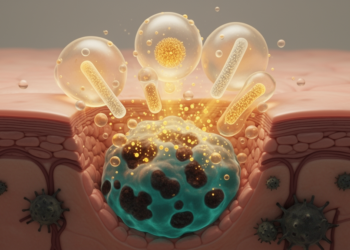
  • Ethosomal nanocarriers aim to reprogram skin cancer microenvironment through transdermal drug delivery

    Ethosomal nanocarriers aim to reprogram skin cancer microenvironment through transdermal drug delivery

    29 shares
    Share 12 Tweet 7
  • Common Immunosuppressant Disrupts Blood Vessel Growth in Zebrafish Embryos

    29 shares
    Share 12 Tweet 7
  • Community co-design reshapes a Malawi mini-grid toward clean cooking

    29 shares
    Share 12 Tweet 7
  • Kidney stone cultures predict sepsis after surgery better than urine tests

    29 shares
    Share 12 Tweet 7

About

We bring you the latest biotechnology news from best research centers and universities around the world. Check our website.

Follow us

Recent News

Low-Crystalline Manganese-Iron Phosphide Catalyst Slashes Overpotential in Alkaline Water Splitting

Combined metabolic-frailty index flags risk of advanced cardiovascular-kidney-metabolic progression

Alopecia Areata in Mexico: Steroid Reliance and Low Treatment Satisfaction Persist Across Disease Severity

Subscribe to Blog via Email

Enter your email address to subscribe to this blog and receive notifications of new posts by email.

Join 86 other subscribers
  • Contact Us

Bioengineer.org © Copyright 2023 All Rights Reserved.

Welcome Back!

Login to your account below

Forgotten Password?

Retrieve your password

Please enter your username or email address to reset your password.

Log In
No Result
View All Result
  • Homepages
    • Home Page 1
    • Home Page 2
  • News
  • National
  • Business
  • Health
  • Lifestyle
  • Science

Bioengineer.org © Copyright 2023 All Rights Reserved.