Researchers have traced how the scientific literature on stem cell and cell-free therapies for pulmonary arterial hypertension has evolved over two decades, and their analysis points to a field that has moved decisively away from transplanting cells and toward harnessing the tiny vesicles those cells release. The study, published in Frontiers in Medicine, analyzed 891 articles and reviews published between 1 January 2006 and 15 March 2026, drawing on the Web of Science Core Collection and PubMed databases.
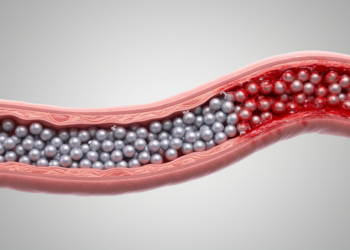
Pulmonary arterial hypertension is a progressive and fatal vasculopathy in which the distal pulmonary arterioles undergo obliterative remodeling, pulmonary vascular resistance rises, and the right ventricle ultimately fails. Registry data report five-year survival rates of approximately 55 to 65 percent, and the global burden of disease continues to rise. No currently approved therapy reverses established pulmonary vascular remodeling. The FDA-approved activin signaling inhibitor sotatercept slows disease progression but cannot restore vascular integrity, which underscores a persistent need for disease-modifying regenerative approaches.
The research team, led by Xinyu Xue of Shandong Medical and Pharmaceutical University Hospital, used CiteSpace, VOSviewer, R bibliometrix, and SCImago Graphica, augmented by logistic growth modeling, to map the field. The corpus involved 5,169 authors from 976 institutions across 56 countries and regions. Annual output grew steeply during the initial phase from 2006 to 2012, rising from 8 to 35 publications, an increase of 4.50 publications per year. From 2013 onward, output held between 45 and 65 publications a year, with no detectable trend over 2013 to 2021, and the highest single year was 2021 at 65 publications. The 13 publications recorded for 2026 reflect incomplete database indexing rather than an actual decline in research activity.
Cumulative output followed an S-shaped logistic trajectory with a coefficient of determination of 0.860 and a theoretical inflection point estimated at 2020.1. The fitted saturation capacity was 1,391 publications, with a 95 percent bootstrap confidence interval of 1,192 to 1,687, but this estimate varied by 129 percent across truncation points and is therefore reported as indicative only. In terms of citation impact, the 62 records published in 2017 had accumulated 5,681 citations between them as of the retrieval date, the highest annual total in the series, although the authors note that because publication years differ in citation window, this measure favors earlier cohorts.
The analysis supports a descriptive three-phase framework of the field’s development. The first phase, from 2006 to 2012, centered on endothelial progenitor cell-based replacement, grounded in the concept that transplanted cells could directly repair injured pulmonary endothelium through engraftment and angiogenesis. The second phase, from 2013 to 2021, saw the expansion of mesenchymal stromal cell research, driven by a major conceptual shift: accumulating evidence demonstrated that the therapeutic benefits of stem cells were mediated predominantly through paracrine signaling rather than direct cellular replacement. The third phase, from 2022 to 2026, is characterized by cell-free extracellular vesicle and exosome strategies, although the authors note that the underlying signal precedes this boundary, since the keyword burst for extracellular vesicles begins in 2020.
Keyword burst analysis revealed the scale of that shift. Extracellular vesicles exhibited the strongest keyword burst in the entire dataset, at 12.55, followed by pulmonary hypertension at 8.87, with exosomes at 6.80 and endothelial dysfunction at 6.57 remaining in active burst status through 2026. The composition analysis made the migration a measured change in the distribution of research effort rather than an impression from term salience: over the study period the share of records naming endothelial progenitor cells fell by two thirds, while the share naming extracellular vesicles or exosomes rose more than twentyfold. The authors caution that the phases are successive rather than discrete, since EPC-related publications continue to appear throughout the study period and the mesenchymal stromal cell share remains substantial in the most recent one.
The mechanistic basis of mesenchymal stromal cell therapy in pulmonary arterial hypertension is multimodal. These cells secrete growth factors that support endothelial survival and angiogenesis while exerting broad immunomodulatory effects, including polarization of pulmonary macrophages toward an anti-inflammatory phenotype. MSC-derived extracellular vesicles carry bioactive microRNA and protein cargos that recapitulate the anti-inflammatory, anti-proliferative, and pro-angiogenic effects of their parent cells, and exosome-mediated cytoprotection has been demonstrated in experimental pulmonary hypertension. Beyond secreted factors, MSCs can transfer functional mitochondria to stressed pulmonary endothelial cells through tunneling nanotubes, restoring bioenergetic capacity, and delivery of isolated mitochondria is likewise protective in experimental hypoxic pulmonary hypertension. Most preclinical evidence has been accumulated in monocrotaline and Sugen/hypoxia models.
Geographically, the United States led the field with 273 publications, 30.64 percent of total output, followed by China with 223 publications, 25.03 percent, together accounting for more than half of the literature. The United States also led in total citations and total link strength in the collaboration network. At the institutional level, Stanford University occupied the central hub position, leading in publication count with 40 and citations with 3,259. Stewart Duncan J. ranked first in both total publications and H-index, while Humbert M. was the most co-cited author with 423 co-citations. The reference co-citation network identified Zhao YD (2005) and Wang XX (2007) as the most co-cited references, with Zhao’s study showing the highest citation burst intensity in the dataset at 26.76.
Despite two decades of preclinical progress, clinical translation remains at an early stage. EPC-based trials registered in pulmonary arterial hypertension remain limited in number, and no phase III randomized trial has been completed for any stem cell- or EV-based product in this indication. The authors identify several interlocking challenges: manufacturing standardization, since achieving scalable and reproducible production of MSC-based products remains difficult; dosing, delivery route, and targeting efficiency, particularly achieving cell-type-specific pulmonary delivery of therapeutic cargo to diseased endothelial and smooth muscle cells; long-term safety and efficacy, which require evaluation in adequately powered clinical studies; and regulatory frameworks that will need to accommodate the unique features of EV-based therapeutics, which differ from both small molecules and living cell products. Compliance with the updated MISEV2023 reporting standards will be essential for the credible development of EV-based products.
The study has limitations the authors acknowledge. Bibliometric databases capture a lagged and incomplete representation of scientific activity, preprints and conference proceedings are underrepresented, and the 2026 data reflect only publications indexed through mid-March. The WoSCC-priority integration strategy excluded seven PubMed records that could not be matched by DOI, and citation counts reflect visibility and consensus rather than intrinsic methodological quality. Importantly, the authors stress that the paradigm shifts documented here describe shifts in research emphasis as captured by publication records, not necessarily corresponding shifts in biological understanding or clinical practice. Looking ahead, the bibliometric record places EV engineering, endothelial-to-mesenchymal transition-targeted interventions, and RNA-mediated regulation at the field’s most dynamic boundaries, with endothelial dysfunction and vascular remodeling remaining in active burst status through 2026.
Subject of Research: Bibliometric mapping of stem cell and cell-free extracellular vesicle therapy research in pulmonary arterial hypertension from 2006 to 2026
Article Title: Stem cells, extracellular vesicles, and cell-free strategies in pulmonary arterial hypertension: a bibliometric study, 2006–2026
Article References: Xue, X., Zhang, H., Cao, Y., Wang, Z., Song, Q., Han, J., Wang, D., Wu, Y., & Liu, Q. (2026). Stem cells, extracellular vesicles, and cell-free strategies in pulmonary arterial hypertension: a bibliometric study, 2006–2026. Frontiers in Medicine, 13, 1965787. https://doi.org/10.3389/fmed.2026.1965787
Image Credits: AI Generated
DOI: 10.3389/fmed.2026.1965787
Keywords: pulmonary arterial hypertension, bibliometric analysis, stem cells, extracellular vesicles, exosomes, mesenchymal stromal cells, endothelial progenitor cells, cell-free therapy, vascular remodeling, scientific mapping, CiteSpace, research trends
News Source: Drew Townsend. (October 27, 2026). Two decades of PAH stem cell research mapped, revealing a shift toward cell-free therapies. Scienmag.