A comparison of selected lemon and lemon-like genotypes revealed substantial variation in sugars, organic acids, phenolic compounds, antioxidant activity and volatile aroma molecules, providing a chemical fingerprint for each fruit type. The study, published in BMC Plant Biology, assessed peel color alongside the biochemical and aromatic traits of the evaluated material. The clearest contrasts involved total soluble solids, titratable acidity, total phenolic content, antioxidant capacity and the composition of compounds in peel and juice.
“Palestine Sweet Lime” (Citrus limettioides) recorded the highest total soluble solids, at 8.50%, and the highest pH, at 5.43. By contrast, “Yediveren Femminello” had the greatest titratable acidity, measured at 8.02%. Across the complete set of genotypes, fructose was the dominant soluble sugar and citric acid was the main organic acid. Pearson correlation analysis showed an exceptionally strong positive association between citric acid and titratable acidity, with a coefficient of r = 0.98. Within this sample, that result identifies citric acid as the principal chemical contributor to the measured fruit acidity rather than establishing a broader causal relationship.
Total phenolic content ranged from 50.95 to 160.30 mg gallic acid equivalents per 100 grams of fresh weight, with the maximum recorded in “Genotype-2,” an evaluated Femminello material. Antioxidant activity ranged from 32.43% to 69.50%, and “Fino Lemon” reached the highest value. The study’s highlights further distinguish “Pink Lemon” and “Femminello genotype-2” as having comparatively high antioxidant capacity and phenolic content. These measurements quantify differences among the tested fruits; they do not by themselves demonstrate clinical benefits, dietary effects or the extent to which the compounds would be absorbed after consumption.
Gas-chromatographic analysis detected 53 volatile compounds in peel and 71 in juice. Terpenes formed the largest chemical class in both tissues, followed by alcohols, aldehydes and esters. Among the principal aroma-active compounds were limonene, α-terpinene, β-myrcene, geraniol and linalool, while the study also identified α-terpineol and geranyl acetate among important volatiles. Peel tissues contained a greater abundance of terpenes than juice, indicating that the aromatic profile changed with tissue type. The broad chemical diversity does not mean that every detected compound contributed equally to the sensory impression of each genotype, but the results show that lemon-like fruits differ in the mixture of volatile molecules associated with their aroma.
Principal component analysis and heat-map analysis separated the evaluated genotypes according to their biochemical and aromatic profiles, producing distinct chemotypic groupings. “Fino Lemon,” “Femminello genotype-2” and “Palestine Sweet Lime” combined especially distinctive quality characteristics, corresponding in the study to potential value for breeding, fresh consumption and industrial use. The findings offer a basis for choosing parents or varieties according to targeted traits: sweetness and relatively low acidity in the sweet lime, high measured acidity in Yediveren Femminello, and high phenolic content or antioxidant activity in selected lemon materials. Because the report evaluates a selected group of genotypes under its particular sampling and analytical conditions, the results establish comparative variation within that panel rather than a definitive ranking of all lemon varieties. Nevertheless, linking chemical measurements with aroma profiles provides useful information for conserving citrus genetic resources and developing breeding strategies aimed at specific compositional qualities.
Subject of Research: Comparative biochemical and volatile profiling of lemon and lemon-like fruit genotypes
Article Title: Characterization of bioactive compounds and volatile profiles in lemon and lemon-like genotypes
Article References: Cimen, B., Polat, Y., Yıldız, Z., Güney, M., & Kafkas, N. E. (2026). Characterization of bioactive compounds and volatile profiles in lemon and lemon-like genotypes. BMC Plant Biology. https://doi.org/10.1186/s12870-026-09800-3
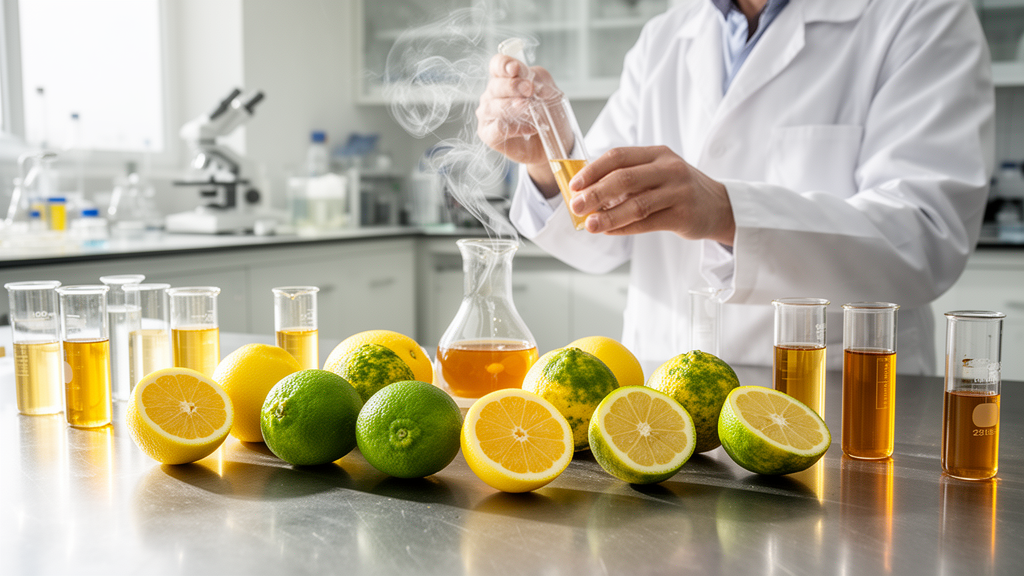
Image Credits: AI Generated
DOI: 10.1186/s12870-026-09800-3
Keywords: lemon genotypes, citrus breeding, volatile compounds, terpenes, phenolic content, antioxidant activity, citric acid, fruit aroma, genetic resources, Characterization, bioactive, compounds
News Source: Alan Morgan. (October 26, 2026). Lemon Genotypes Reveal Distinct Chemical and Aroma Profiles. Scienmag.