A new review synthesizes evidence on epithelial and mesenchymal stem cell populations in the mammary gland, positioning these cells as a link between tissue regeneration, mammary development, metabolic adaptation, inflammation, and lactational function. Drawing on murine, human, and bovine studies, the authors highlight common biological principles as well as species-specific features relevant to mammary function and disease, while emphasizing that the identity and functional significance of these stem cell populations remain incompletely resolved across species.
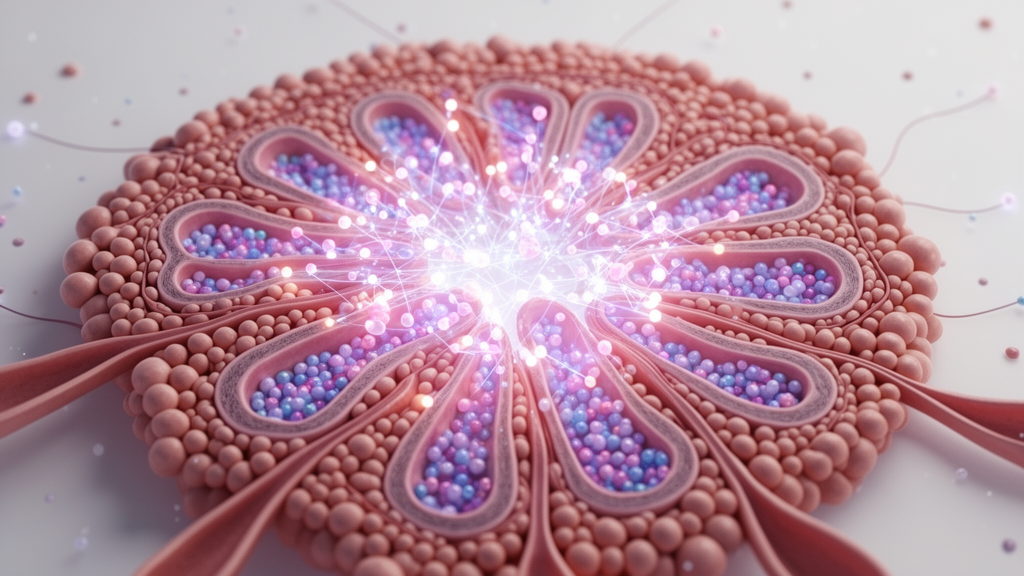
A central theme is the dynamic interplay among epithelial, stromal, immune, endocrine, and metabolic components of the mammary niche, which together regulate stem cell activity and tissue homeostasis. Epithelial and mesenchymal stem cell populations are described as playing distinct but complementary roles in mammary development, regeneration, and tissue maintenance, with their interactions within the tissue microenvironment shaping organ function.
Metabolic regulation emerges as a key mechanism, illustrated by the role of mechanistic target of rapamycin complex 1, or mTORC1, in mammary epithelial stem cell regulation. Evidence from the mammary gland indicates that intermittent inhibition of mTORC1 can increase stem cell activity, with potential implications for mammary development, lactational capacity, and persistency. The review is careful to note, however, that effects on whole-animal milk production remain to be established, marking this as an area where mechanistic findings have not yet been translated to production outcomes.
Mesenchymal stem cells receive particular attention, both as resident mammary stromal populations and as potential external mediators of epithelial–stromal communication. According to the review, these cells may integrate metabolic, endocrine, and inflammatory signals and contribute to tissue homeostasis and repair. Their therapeutic potential is discussed in the context of bovine mastitis, where mesenchymal stem cell-based approaches remain experimental. In that setting, the cells may act through paracrine signaling, immunomodulatory effects, and experimentally supported antimicrobial mechanisms, although the review frames these as investigational rather than established treatments.
The authors conclude that current evidence supports distinct but complementary roles for epithelial and mesenchymal stem cell populations in mammary development, regeneration, and tissue maintenance, while underscoring the limits of present knowledge. Defining these populations and mapping their interactions within the mammary niche, they argue, may inform stem cell-based approaches to mammary health and regeneration in humans and to health and production in farm animals. As a review, the work integrates existing findings rather than presenting new experimental data, and its translational outlook depends on future studies resolving how these cellular programs operate in vivo across species.
Subject of Research: Epithelial and mesenchymal stem cell biology in the mammary gland
Article Title: Epithelial and mesenchymal stem cell biology in the mammary gland: mechanisms, comparative insights, and translational perspectives
Article References: Barash, I. (2026). Epithelial and mesenchymal stem cell biology in the mammary gland: mechanisms, comparative insights, and translational perspectives. Frontiers in Cell and Developmental Biology, 14, Article 1982804. https://doi.org/10.3389/fcell.2026.1982804
Image Credits: AI Generated
DOI: 10.3389/fcell.2026.1982804
Keywords: mammary gland, stem cells, epithelial cells, mesenchymal stem cells, mTORC1, lactation, bovine mastitis, tissue regeneration, mammary niche, metabolic regulation, Epithelial, mesenchymal
News Source: Drew Townsend. (October 24, 2026). Epithelial and Mesenchymal Stem Cells Shape Mammary Gland Biology. Scienmag.