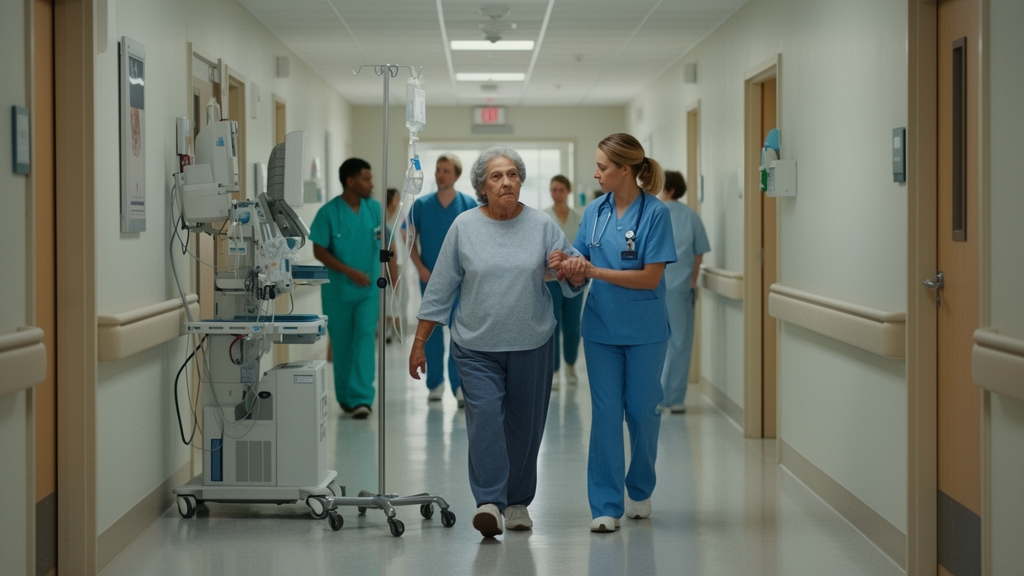
Emergency department use was widespread during the first year after diagnosis among 2,278 patients with gastrointestinal cancers who received chemotherapy in a retrospective study from a comprehensive cancer center. Overall, 88.1% of the patients made at least one emergency department visit, and 86.5% required at least one hospital admission. Patients made a median of three visits, with an interquartile range of one to six, while one-year mortality reached 48.8%. Musculoskeletal complaints or pain, gastrointestinal symptoms and infections were the most frequently reported chief complaints, although the results do not show that these categories collectively accounted for a majority of visits.
The cohort comprised patients diagnosed with gastrointestinal cancers between 2018 and 2022 who received chemotherapy. The mean age was 57 years, with a standard deviation of 12.4 years, and 57.6% of participants were male. Smoking was reported for 23.6%. Colon cancer was the most common diagnosis, accounting for 769 patients, or 33.7% of the cohort, followed by rectal cancer among 630 patients, or 27.6%. The most common Surveillance, Epidemiology, and End Results stage was distant disease, recorded in 43.7% of patients. At baseline, 5.6% had renal dysfunction and 2.8% had hepatic dysfunction.
The investigators characterized both treatment and acute-care use. Surgery combined with chemotherapy was the most common initial treatment plan, reported for 43.2% of patients. Across the cohort, participants received a median of eight chemotherapy cycles, with an interquartile range of five to 12. The analysis included baseline characteristics, cancer type and stage, initial treatment plans, prescribed chemotherapy and the number of cycles received. It also evaluated the frequency of emergency department visits, presenting complaints, hospital admissions and one-year mortality. The findings therefore document the scale of emergency care and hospitalization within this chemotherapy-treated population rather than testing whether chemotherapy or any other recorded factor caused those outcomes.
The results show that emergency care was a common feature of the first year following diagnosis for many patients treated at the studied center. The most frequently recorded presenting complaints included musculoskeletal complaints or pain, gastrointestinal symptoms and infections, but the reported data do not determine how many visits were related to chemotherapy, were avoidable or could have been prevented. The study also did not report a comparison with patients who did not receive chemotherapy. Its retrospective design, single-center setting and focus on patients receiving chemotherapy limit how broadly the findings can be applied. Even so, the high rates of emergency visits and hospital admission, together with the substantial one-year mortality observed, provide a clear account of the clinical burden experienced by this large cohort during the period examined.
Subject of Research: Emergency department use and one-year outcomes in chemotherapy-treated gastrointestinal cancer patients
Article Title: Emergency department utilization and clinical outcomes among patients with gastrointestinal cancers receiving chemotherapy during the first year after diagnosis
Article References: Awad, W. B., Aryan, H., & Nazer, L. (2026). Emergency department utilization and clinical outcomes among patients with gastrointestinal cancers receiving chemotherapy during the first year after diagnosis. Supportive Care in Cancer, 34(11), Article 1135. https://doi.org/10.1007/s00520-026-11389-0
Image Credits: AI Generated
DOI: 10.1007/s00520-026-11389-0
Keywords: gastrointestinal cancer, chemotherapy, emergency department, hospital admission, one-year mortality, retrospective cohort, pain, gastrointestinal symptoms, infections, cancer care, Emergency, department
News Source: Nathaniel Bowman. (October 21, 2026). Most treated GI cancer patients used emergency care in retrospective cohort. Scienmag.