• HOME
  • NEWS
  • EXPLORE
    • CAREER
      • Companies
      • Jobs
    • EVENTS
    • iGEM
      • News
      • Team
    • PHOTOS
    • VIDEO
    • WIKI
  • BLOG
  • COMMUNITY
    • FACEBOOK
    • INSTAGRAM
    • TWITTER
Wednesday, October 21, 2026
BIOENGINEER.ORG
No Result
View All Result
  • Login
  • HOME
  • NEWS
  • EXPLORE
    • CAREER
      • Companies
      • Jobs
        • Lecturer
        • PhD Studentship
        • Postdoc
        • Research Assistant
    • EVENTS
    • iGEM
      • News
      • Team
    • PHOTOS
    • VIDEO
    • WIKI
  • BLOG
  • COMMUNITY
    • FACEBOOK
    • INSTAGRAM
    • TWITTER
No Result
View All Result
Bioengineer.org
No Result
View All Result
Home NEWS Science News Biology

Cytogenetic and anatomical study reveals chromosome count and reproductive traits of the mealybug Orbuspedum machinator

by
October 21, 2026
in Biology
Reading Time: 2 mins read
0
Cytogenetic and anatomical study reveals chromosome count and reproductive traits of the mealybug Orbuspedum machinator

Fungus-farming mealybug reveals rare chromosomes and live birth strategy

Share on FacebookShare on TwitterShare on LinkedinShare on RedditShare on Telegram

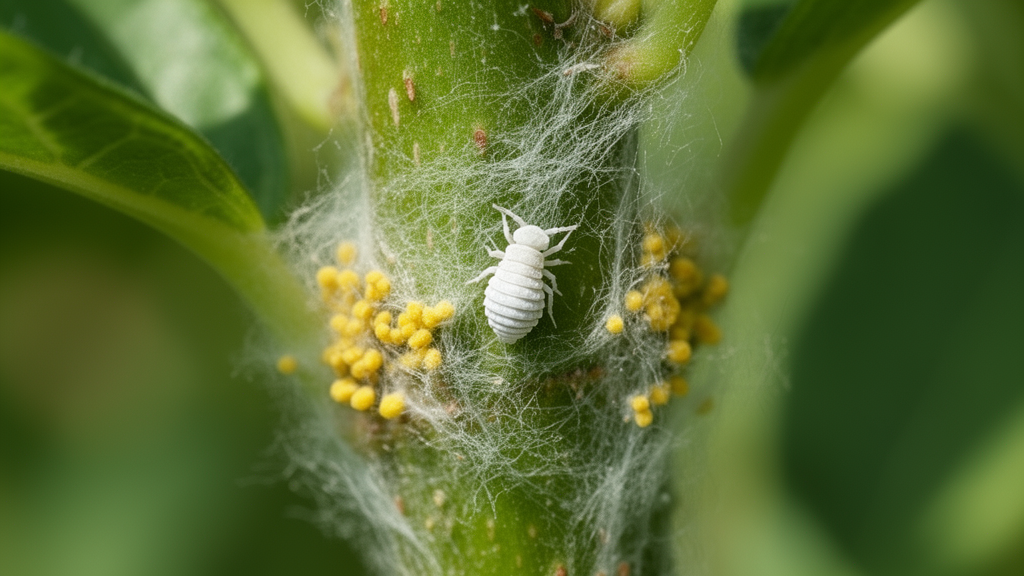
A cytogenetic and anatomical study of the legless mealybug Orbuspedum machinator found that females have a diploid chromosome number of 18, a complement not previously reported among the legless mealybugs known to the author. The species is associated with conical domiciles made from wax and densely packed fungal hyphae. Females inhabit these structures, which grow alongside the insects as the mealybugs supply the fungus with honeydew.

In November 2023, the author revisited the species’ type locality in southern Thailand and collected gravid females for cytogenetic and reproductive studies. Chromosome preparations from female embryos showed 18 chromosomes of broadly similar length. About half of the embryos studied contained cells with the characteristic Lecanoid heterochromatinization of the paternal chromosome set, a pattern associated with the unusual meiosis of lecanoid scale insects. In this system, paternal and maternal chromosome sets segregate during the second meiotic division, and only maternal-origin nuclei produce sperm.

The paternal heterochromatinization was interpreted as evidence of bisexual reproduction in the studied population, although adult males and male larvae were not found. The author proposed that the much smaller males may live separately from the larger females in different parts of a host plant or on different plants, as is known to occur among scale insects. Anatomical examination of the available females found a reproductive system resembling that of other studied legless mealybugs: paired lateral oviducts join an enlarged common oviduct, while a spermatheca and accessory glands connect to its proximal portion.

The study also documented complete ovoviviparity, with embryonic development occurring inside the ovarioles and oviducts. After hatching, primolarvae leave the maternal fungal domicile through its apical opening. These findings concern a collection of females and embryos from one population in Thailand, and the absence of observed males means that the proposed separate male lifestyle remains an explanation rather than a directly documented result. The reported symbiotic association with a sooty mold of the genus Capnodium was also described previously as unusual among scale insects and other animals known to the author.

Subject of Research: Karyotype and reproductive anatomy of the symbiotic mealybug Orbuspedum machinator

Article Title: Karyotype and reproductive traits of the unique symbiotic mealybug Orbuspedum machinator G.-Z. ( Homoptera , Coccinea )

Article References: Gavrilov-Zimin, I. A. (2023). Karyotype and reproductive traits of the unique symbiotic mealybug Orbuspedum machinator G.-Z. (Homoptera, Coccinea). Comparative Cytogenetics, 17, 283-286. https://doi.org/10.3897/compcytogen.17.116550

Image Credits: AI Generated

DOI: 10.3897/compcytogen.17.116550

Keywords: Orbuspedum machinator, mealybug, cytogenetics, karyotype, reproductive biology, ovoviviparity, Lecanoid heterochromatinization, fungal symbiosis, reproductive, traits, unique, symbiotic

News Source: Drew Townsend. (October 20, 2026). Cytogenetic and anatomical study reveals chromosome count and reproductive traits of the mealybug Orbuspedum machinator. Scienmag.

Tags: cytogeneticsfungal symbiosiskaryotypeLecanoid heterochromatinizationmealybugOrbuspedum machinatorovoviviparityreproductivereproductive biologysymbiotictraitsunique
Share12Tweet7Share2ShareShareShare1

Related Posts

Field and laboratory study finds Allegheny cave amphipods active in New York ice caves but not tolerant of prolonged solid-ice encasement

Field and laboratory study finds Allegheny cave amphipods active in New York ice caves but not tolerant of prolonged solid-ice encasement

October 21, 2026
Floristic survey finds 1,034 vascular plant taxa in Tuscany’s lower Sieve Valley

Floristic survey finds 1,034 vascular plant taxa in Tuscany’s lower Sieve Valley

October 21, 2026

Morphological and mitochondrial evidence supports new giant salamander species from Anhui

October 21, 2026

Lab study cultivates small sclerotia of termite-associated Xylaria minima

October 21, 2026

POPULAR NEWS

  • Research report: Theoretical, psychological, and regulatory dimensions of modern pharmaceutical marketing: implications for patient behavior and healthcare systems

    Research report: Theoretical, psychological, and regulatory dimensions of modern pharmaceutical marketing: implications for patient behavior and healthcare systems

    29 shares
    Share 12 Tweet 7
  • Cytogenetic and anatomical study reveals chromosome count and reproductive traits of the mealybug Orbuspedum machinator

    29 shares
    Share 12 Tweet 7
  • Field and laboratory study finds Allegheny cave amphipods active in New York ice caves but not tolerant of prolonged solid-ice encasement

    29 shares
    Share 12 Tweet 7
  • Floristic survey finds 1,034 vascular plant taxa in Tuscany’s lower Sieve Valley

    29 shares
    Share 12 Tweet 7

About

We bring you the latest biotechnology news from best research centers and universities around the world. Check our website.

Follow us

Recent News

Research report: Theoretical, psychological, and regulatory dimensions of modern pharmaceutical marketing: implications for patient behavior and healthcare systems

Cytogenetic and anatomical study reveals chromosome count and reproductive traits of the mealybug Orbuspedum machinator

Field and laboratory study finds Allegheny cave amphipods active in New York ice caves but not tolerant of prolonged solid-ice encasement

Subscribe to Blog via Email

Enter your email address to subscribe to this blog and receive notifications of new posts by email.

Join 85 other subscribers
  • Contact Us

Bioengineer.org © Copyright 2023 All Rights Reserved.

Welcome Back!

Login to your account below

Forgotten Password?

Retrieve your password

Please enter your username or email address to reset your password.

Log In
No Result
View All Result
  • Homepages
    • Home Page 1
    • Home Page 2
  • News
  • National
  • Business
  • Health
  • Lifestyle
  • Science

Bioengineer.org © Copyright 2023 All Rights Reserved.