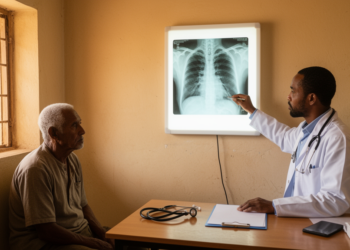
In an analysis of 27,651 adults in the 2022 National Health Interview Survey, 47.2% reported being vaccinated against influenza during the 2021/2022 influenza season. The study found that adults with one or more cancers, those with a weak immune status and those who had delayed care because an appointment was unavailable had higher adjusted odds of reporting vaccination. In contrast, adults who delayed care because no doctor would accept their health insurance had lower adjusted odds of vaccination.
The cross-sectional analysis examined survey data from 27,651 U.S. adults whose average age was 53.1 years. Fifty-five point eight percent were female, 67.4% were non-Hispanic White, 6.3% had immunosuppression and 13.8% had one or more cancers. Researchers used descriptive and inferential statistics, including logistic regression analyses, with SAS version 9.4. They used 95% confidence intervals and a P-value threshold of .05 to determine statistical significance.
Adults with one or more cancers had an adjusted odds ratio of 1.31 for reporting influenza vaccination in 2021 compared with the comparison group (95% CI, 1.19–1.45; P < .001). Adults with a weak immune status also had higher adjusted odds, with an adjusted odds ratio of 1.47 (95% CI, 1.26–1.71; P < .001). Delay in care because an appointment was not available was associated with higher odds of vaccination, with an adjusted odds ratio of 1.13 (95% CI, 1.02–1.26; P = .02).
By contrast, reporting a delay in care because no doctor would accept the respondent’s health insurance was associated with lower adjusted odds of vaccination, with an adjusted odds ratio of 0.82 (95% CI, 0.70–0.97; P = .03). These findings describe adjusted associations in survey data and do not establish that cancer, immune status or healthcare access barriers caused vaccination decisions. The study’s reported scope is the U.S. adult population represented in the 2022 National Health Interview Survey, including people with immunosuppression and cancer; the supplied report does not provide results for additional populations or seasons. The authors concluded that the identified factors warrant intensified efforts to increase vaccination rates, particularly among vulnerable adults.
Subject of Research: Determinants of influenza vaccination among U.S. adults in the 2021/2022 season
Article Title: Determinants of influenza vaccination during the 2021/2022 influenza season in the United States: interactive roles of immunosuppression, cancer diagnosis, and healthcare access barriers
Article References: Adegbile, O. E., Kanmodi, K. K., Abib, O. M., & Brooks, B. (2026). Determinants of influenza vaccination during the 2021/2022 influenza season in the United States: interactive roles of immunosuppression, cancer diagnosis, and healthcare access barriers. BMC Public Health. https://doi.org/10.1186/s12889-026-29966-7
Image Credits: AI Generated
DOI: 10.1186/s12889-026-29966-7
Keywords: influenza vaccination, 2021/2022 influenza season, 2022 National Health Interview Survey, U.S. adults, cancer, immunosuppression, healthcare access, health insurance, logistic regression, Determinants, influenza, vaccination
News Source: Nathaniel Bowman. (October 20, 2026). 2022 US survey links cancer, immunosuppression and care access to influenza vaccination. Scienmag.