A 2026 review in Molecular Biology Reports examines how altered amino acid transport may contribute to metabolic reprogramming in hepatocellular carcinoma (HCC), an aggressive cancer. The review is not a new clinical study; the available evidence consists of its published abstract, which summarizes the scope and potential significance of the topic without reporting original patient outcomes.
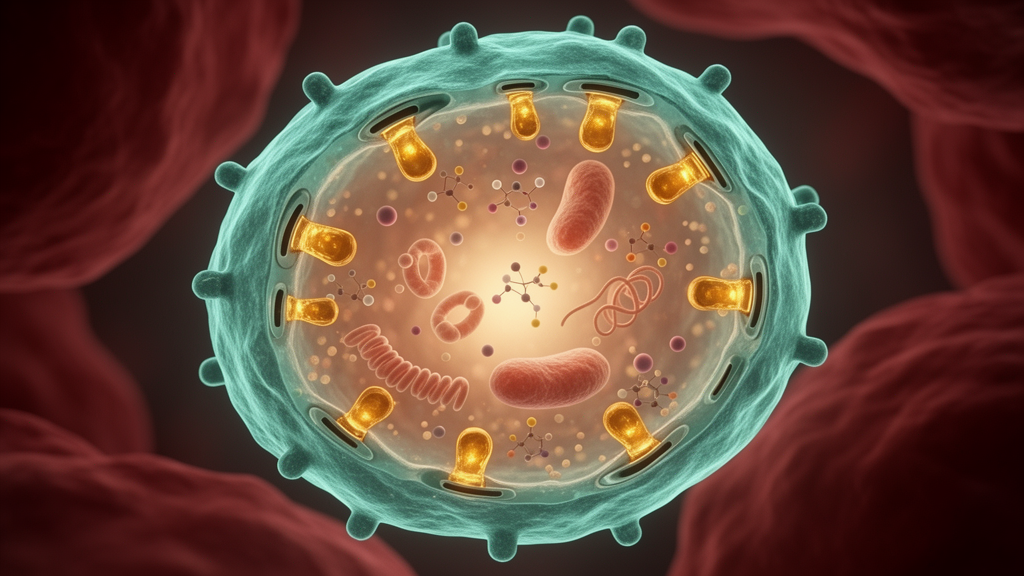
According to the abstract, HCC is associated with notable metabolic alterations, including an imbalance in amino acid transporters. The transporters discussed include proton-assisted amino acid transporters (PAT), sodium-coupled neutral amino acid transporters (SNAT), the cysteine/glutamate transporter xCT, L-type amino acid transporter LAT1, and alanine-serine-cysteine transporter 2 (ASCT2). The abstract links this transport imbalance with the tumor microenvironment, cellular signaling, tumor survival and proliferation, while describing the detailed methods and results of the underlying studies as unavailable in the supplied material.
The review also discusses emerging therapeutic approaches directed at amino acid transporters, including RNA-based therapeutics, small-molecule inhibitors and combination strategies incorporating dietary intervention in metabolic reprogramming and oncological signaling. The abstract presents these approaches as strategies that require further evaluation; it does not report clinical-trial outcomes, approved treatments or evidence that any of them improve survival in people with HCC. It likewise does not establish that targeting a particular transporter produces a clinical benefit.
Several obstacles are identified in the abstract: tumor heterogeneity, transporter redundancy, off-target toxicity and resistance mechanisms. These challenges are described as substantial even when treatment options are available. The abstract further suggests that improved understanding of amino acid transporters and their emerging functions in HCC could reveal metabolic vulnerabilities relevant to future treatment development. Because the full review was not provided here, the scope and quality of the studies discussed, and the strength of evidence supporting each therapeutic strategy, could not be assessed.
Subject of Research: Amino acid transporters and metabolic reprogramming in hepatocellular carcinoma
Article Title: Amino acid transporters in hepatocellular carcinoma: Gatekeepers of metabolic reprogramming
Article References: Immanuel, J. R., Shankaran, Z. S., Mani, M., Paul, S. F. D., Ashok, B. S., Chand, L., & Walter, C. E. J. (2026). Amino acid transporters in hepatocellular carcinoma: Gatekeepers of metabolic reprogramming. Molecular Biology Reports, 53(1), Article 1582. https://doi.org/10.1007/s11033-026-12759-x
Image Credits: AI Generated
DOI: 10.1007/s11033-026-12759-x
Keywords: hepatocellular carcinoma, amino acid transporters, metabolic reprogramming, cancer metabolism, LAT1, ASCT2, xCT, targeted therapy, tumour heterogeneity, Amino, acid, transporters
News Source: Nathaniel Bowman. (October 20, 2026). Review examines amino acid transporters as metabolic vulnerabilities in liver cancer. Scienmag.