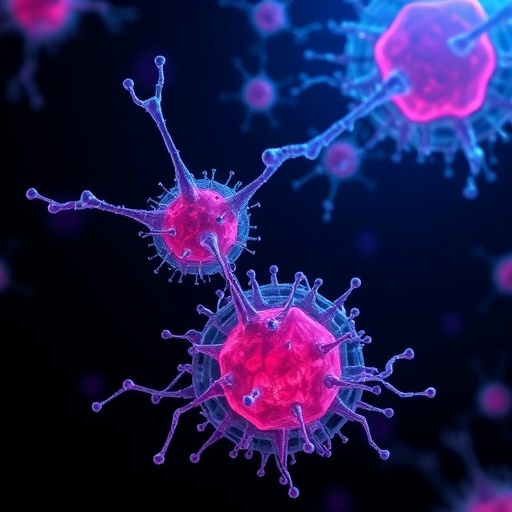
Body Repairs Itself by Reverting Aged Cells into Stem-Like States
A new study from the Technion suggests the body can regenerate damaged tissue in a way that overturns a long-held assumption: that stem-cell loss is irreversible. Researchers report that mature, aged cells can be reprogrammed into an active, stem-like state, enabling durable repair without relying solely on external cell transplants.
The findings, published in Nature Communications, focus on the transparent cornea, an organ where stem-cell failure can lead to severe visual impairment. Using a multicolor fluorescent labeling system, the team tracked stem-cell dynamics in living mice and then experimentally eliminated native stem cells to test whether the tissue could still restore function.
Prof. Ruby Shalom-Feuerstein and Dr. Shalini Dimri-Wagh describe a key surprise: even after all corneal stem cells are destroyed, the tissue retains the capacity to regenerate. More importantly, the repair process does not depend on a brief, temporary shift in identity. Instead, reprogrammed cells behave like bona fide stem cells over extended periods, supporting long-term homeostasis and reducing the likelihood of progressive disease.
Mechanistically, the work points to the immune microenvironment as the driver of cellular “time reversal.” In particular, macrophages—normally associated with clearing pathogens and orchestrating inflammation—also produce niche cytokines and signaling molecules that coax aged differentiated cells back toward stemness.
This immune-mediated reprogramming reframes regeneration as a controlled re-entry into a native state, guided by local signals. Rather than treating tissue failure as an endpoint that demands replacement, the results argue that endogenous repair pathways can be activated from within.
Because corneal stem cells are central to maintaining transparency and epithelial renewal, the translational implications are substantial. The authors note that experiments were primarily conducted in mice, but data from human corneal cells are reported as encouraging.
The team’s next priority is control—determining how to trigger the reprogramming program safely and reliably in humans, and how to harness it for regenerative medicine. If achievable, therapies could aim to amplify the body’s own regeneration machinery, potentially reducing dependence on donor tissue.
The study also adds a broader biological insight: while complex organisms may have lost the ability to regrow whole organs, they still preserve partial regenerative capacity. In this view, the “lost” potential may remain latent, waiting for the right immune and cytokine cues.
Subject of Research: Animals
Article Title: Aged differentiated cells reverse into native stemness-like state by niche cytokines to sustain lifelong homeostasis and tissue repair
News Publication Date: 25-Apr-2026
Web References: http://dx.doi.org/10.1038/s41467-026-72331-w
References: Nature Communications (25-Apr-2026); DOI: 10.1038/s41467-026-72331-w
Image Credits: Not provided
Keywords: Regenerative medicine, Stem cells, Cell biology, Ophthalmology, Immunology, Tissue engineering, Translational research
Tags: aging cell reprogrammingcellular plasticity in agingcellular reprogramming in adult tissuescorneal regenerationimmune microenvironment in regenerationlong-term tissue homeostasismacrophage role in tissue repairregenerative medicine advancementsreversing cellular aging processesstem cell loss reversalstem cell regenerationtissue repair mechanisms