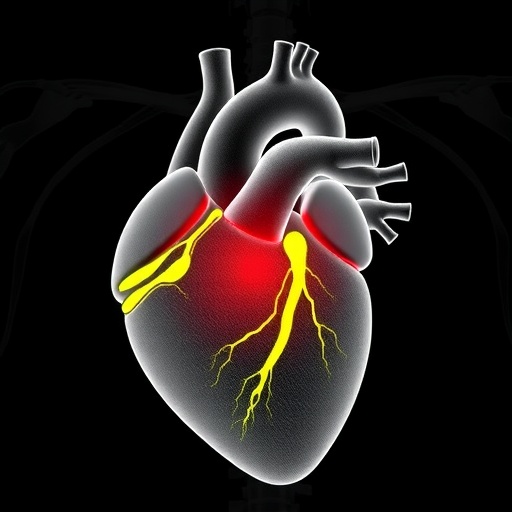
A new study in Pediatric Research is sharpening scientists’ understanding of why some patients with RASopathies develop severe, early-onset hypertrophic cardiomyopathy (HCM) while others follow a milder path. RASopathies—genetic syndromes caused by disruptions in the RAS/MAPK signaling pathway—are increasingly recognized as drivers of cardiac growth abnormalities. The latest work links specific genetic subtypes to differences in clinical trajectories, combining early disease monitoring with genetic insight.
Using clinical follow-up and genotype-focused analysis, researchers assessed how cardiomyopathy evolves soon after diagnosis. The central question was whether the RASopathy subtype itself acts as a prognostic marker for cardiac outcomes, rather than HCM being driven by uniform mechanisms across all cases. By stratifying patients according to subtype, the team evaluated the timing and intensity of disease progression in relation to underlying molecular causes.
The findings suggest that early HCM course is not “one-size-fits-all.” Patients with certain RASopathy subtypes showed signs consistent with a more aggressive early cardiac phenotype, including earlier manifestation and more pronounced echocardiographic features. Other subtypes appeared to progress more slowly, implying that the severity of signaling dysregulation translates into measurable differences in cardiac remodeling.
Genetically, the study emphasizes that specific variants within the RAS/MAPK network may influence not only the probability of developing HCM, but also the speed at which cardiac hypertrophy emerges. This points to a mechanistic gradient: upstream molecular disruptions can change how cardiomyocytes respond to growth cues, potentially altering hypertrophic pathways and downstream cardiac stress responses.
From a clinical perspective, the work supports subtype-aware risk stratification. Rather than relying solely on baseline cardiac imaging, clinicians may benefit from incorporating genetic information to anticipate which children require closer surveillance. Early identification could improve timing of intervention decisions, such as managing symptoms, monitoring arrhythmia risk, and guiding care intensity.
The study’s “early course” focus is particularly important because pediatric cardiomyopathy trajectories can shift rapidly during growth. Detecting higher-risk patterns early may help clinicians tailor follow-up intervals and reduce the chance of delayed recognition of worsening disease.
Beyond immediate care, the results offer a roadmap for translational research. If genotype predicts phenotype, targeted therapies that modulate RAS/MAPK activity or related growth signaling could be tested with stratification, improving the likelihood of detecting subtype-specific benefits.
Overall, this viral science news highlights a move toward precision cardiology in rare genetic disorders—where the RASopathy label is not merely descriptive, but predictive of how the heart will behave early in life.
Subject of Research: RASopathies and early disease course in RASopathy-associated hypertrophic cardiomyopathy
Article Title: Impact of RASopathy subtype on the early disease course of RASopathy-associated hypertrophic cardiomyopathy: clinical outcomes and genetic insights
Article References: López-Guillén, J.L., Carcavilla, A., Díez-Sebastián, J. et al. (2026) Pediatr Res. https://doi.org/10.1038/s41390-026-05152-8
Image Credits: AI Generated
DOI: 10.1038/s41390-026-05152-8
Keywords:
Tags: cardiac remodelingearly disease progressiongenetic markers for prognosisgenetic subtypesgenotype-phenotype correlationhypertrophic cardiomyopathymolecular mechanisms of HCMpediatric cardiac geneticspediatric cardiology researchRAS/MAPK pathwayRASopathysyndromic cardiac abnormalities