In a groundbreaking revelation that promises to reshape our understanding of vascular pathology, a team of researchers led by Wang, Z., Zhao, J., Luo, W., and colleagues has unveiled the crucial role of EHMT2 in exacerbating vascular remodeling through the epigenetic suppression of GADD45G. This landmark study, published in Experimental & Molecular Medicine on May 1, 2026, offers a profound glimpse into the molecular intricacies that govern vascular health and disease.
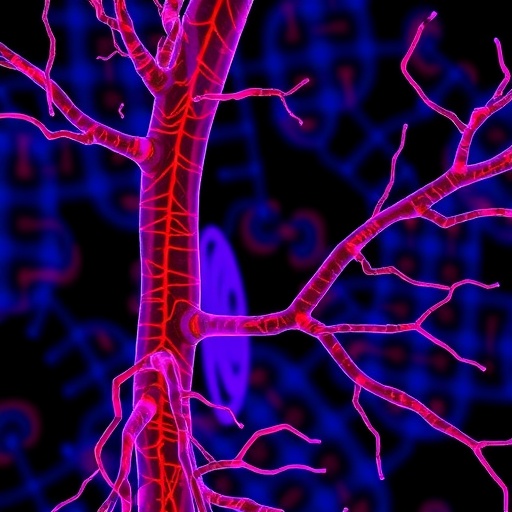
Vascular remodeling is a hallmark process underlying numerous cardiovascular diseases, including hypertension, atherosclerosis, and aneurysms. It involves complex structural alterations within blood vessels, often triggered by pathological stimuli, leading to the thickening or stiffening of vessel walls. The detailed mechanisms steering these changes have long eluded scientists, impeding the development of targeted therapies. Now, the elucidation of EHMT2’s role sheds light on a pivotal epigenetic regulator that aggravates these remodeling processes.
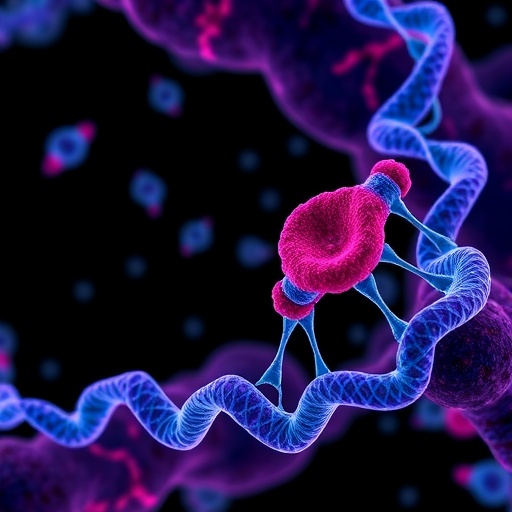
EHMT2, also known as G9a, is a histone methyltransferase that catalyzes the dimethylation of histone H3 lysine 9 (H3K9me2), thus modulating chromatin structure and gene expression. Historically recognized primarily for its functions in development and cancer biology, EHMT2 has now emerged as a critical epigenetic effector within vascular smooth muscle cells (VSMCs). Its overexpression correlates with pathological remodeling, suggesting that EHMT2’s enzymatic activity represses genes vital for maintaining vascular integrity.
Among the genes suppressed by EHMT2, GADD45G—a stress-responsive gene known for its role in DNA repair, cell cycle arrest, and apoptosis—stands out. The research presents compelling evidence that EHMT2-mediated histone methylation at the GADD45G promoter leads to its epigenetic silencing. This downregulation impairs the cell’s ability to respond adequately to vascular stress, thereby fostering maladaptive remodeling and disease progression.
The team employed a multifaceted approach combining in vitro experiments with in vivo vascular injury models to delineate this pathway. They observed that knocking down EHMT2 significantly restored GADD45G expression levels, which in turn attenuated pathological changes in vascular structure. This functional rescue underscores the therapeutic potential of targeting EHMT2 in vascular diseases characterized by aberrant remodeling.
Further mechanistic studies revealed that EHMT2 is recruited to the GADD45G locus through interactions with other chromatin remodeling factors, establishing a repressive complex that consolidates the epigenetic silencing effect. This insight not only deepens our understanding of gene regulation in VSMCs but also highlights new epigenetic landscapes susceptible to pharmacological intervention.
The clinical implications of these findings are profound. Vascular remodeling contributes to the morbidity and mortality of cardiovascular diseases worldwide. By pinpointing EHMT2 as a key culprit in this process, the study invites the development of selective EHMT2 inhibitors as novel therapeutics that can reverse or prevent harmful vascular changes. Unlike traditional therapies that target symptoms, epigenetic modulators offer the allure of disease modification at a molecular level.
Moreover, the specificity of EHMT2’s action on GADD45G suggests that targeting this axis could minimize off-target effects, a common hurdle in epigenetic therapy. The research team advocates for subsequent clinical studies to evaluate the safety and efficacy of EHMT2 inhibitors in human vascular disease cohorts, envisioning a future where epigenetic drugs complement existing cardiovascular treatments.
This pivotal work aligns with the burgeoning recognition of epigenetics in cardiovascular research. While genetic factors undeniably contribute to disease susceptibility, epigenetic modifications dynamically respond to environmental cues and pathological stress. EHMT2’s modulation within this framework exemplifies how external and internal factors converge to orchestrate vascular fate decisions.
Additionally, the study’s innovative use of genome-wide chromatin immunoprecipitation sequencing (ChIP-seq) to map EHMT2 binding sites across the vascular genome uncovers a broader regulatory network. The identification of other epigenetically regulated genes involved in inflammation, proliferation, and extracellular matrix remodeling opens avenues for future investigations into comprehensive epigenetic therapies.
The discovery also raises intriguing questions about the interplay between EHMT2 and other histone modifiers or non-coding RNAs in vascular cells. It prompts reevaluation of the epigenomic complexity that governs vascular remodeling and the potential for combinatorial therapies targeting multiple epigenetic layers.
Importantly, the research underscores the value of epigenetic biomarkers in predicting disease progression. Monitoring EHMT2 expression or H3K9me2 levels in vascular tissues or circulating cells could inform prognostic assessments and therapeutic responses, advancing personalized medicine paradigms in cardiovascular care.
In the broader context, this study exemplifies the integration of molecular biology, epigenetics, and vascular medicine to unravel disease mechanisms that were previously inscrutable. It bridges fundamental science with translational potential, echoing the paradigm shift towards precision intervention targeting the epigenome to combat chronic diseases.
As cardiovascular diseases continue to impose a heavy global burden, insights from this research ignite hope for innovative treatments that transcend symptom management to achieve true disease modification. The epigenetic inhibition of protective genes like GADD45G by EHMT2, as delineated by Wang et al., marks a seminal moment in vascular biology that could redefine therapeutic strategies in the years to come.
Subject of Research: Epigenetic regulation of vascular remodeling, specifically the role of EHMT2 in suppressing GADD45G leading to pathological vascular changes.
Article Title: EHMT2 aggravates vascular remodeling via epigenetic inhibition of GADD45G.
Article References:
Wang, Z., Zhao, J., Luo, W. et al. EHMT2 aggravates vascular remodeling via epigenetic inhibition of GADD45G. Exp Mol Med (2026). https://doi.org/10.1038/s12276-026-01702-6
Image Credits: AI Generated
DOI: 10.1038/s12276-026-01702-6
Tags: aneurysm formation epigeneticsatherosclerosis molecular pathwayscardiovascular disease epigeneticsEHMT2 epigenetic regulationGADD45G suppressiongene expression in vascular healthH3K9me2 chromatin modificationhistone methyltransferase G9a functionhypertension vascular changestargeted vascular therapy developmentvascular remodeling mechanismsvascular smooth muscle cell pathology