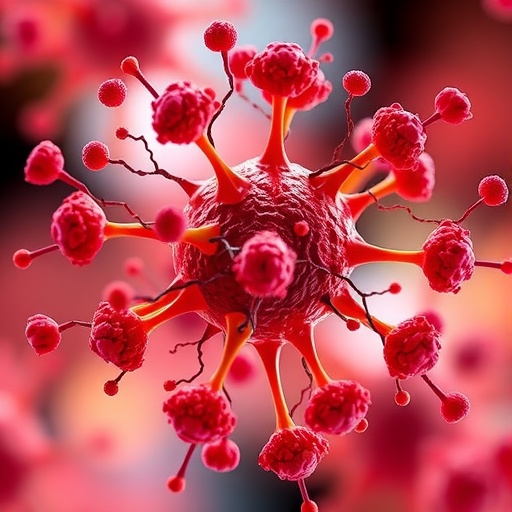
In the intricate world of cellular biology, macropinocytosis stands out as a remarkable process. This form of endocytosis allows cells to internalize large volumes of extracellular fluid, along with a wide array of solutes. Characterized by the dynamic ruffling of the plasma membrane, macropinocytosis not only enables nutrient acquisition but also plays a pivotal role in various cellular functions. Its importance is further heightened in the context of cancer, as tumor cells often exploit this evolutionary mechanism to satisfy their increased metabolic demands, especially in environments where nutrients may be scarce.
At the cellular level, macropinocytosis is driven by the extension and folding of the cell membrane, resulting in the formation of large vesicles known as macropinosomes. These aggregates engulf extracellular materials that are crucial for the cell’s survival. In the case of malignant cells, this nutrient-scavenging process becomes even more pronounced. Tumors, with their rapid growth and proliferation, face constant metabolic challenges. To endure and thrive, cancer cells adapt through enhanced macropinocytosis, allowing them to assimilate various extracellular components such as proteins, lipids, and nucleotides.
One of the fascinating aspects of macropinocytosis is its reliance on a multitude of regulatory factors. Oncogenic signaling pathways are instrumental in activating this process, with key players including signaling molecules that can alter cytoskeletal dynamics, paving the way for membrane ruffling and subsequent vesicle formation. For example, the Ras family of proteins, well-known oncogenes, play a vital role in this regulatory circuit by promoting the necessary signaling cascades that facilitate membrane ruffling. Additionally, cues from the tumor microenvironment—such as hypoxia and loss of tumor suppressors—further amplify these pathways, creating a feedback loop that enhances macropinocytosis.
In nutrient-deprived environments, macropinocytosis becomes a lifeline for cancer cells. The ability to internalize and recycle essential biomolecules allows these cells to maintain their biosynthetic processes and generate energy, even when classical nutrient sources are unavailable. As levels of glucose and amino acids decline in the tumor microenvironment, the reliance on macropinocytosis intensifies. This adaptation not only provides necessary resources for growth and survival but also allows tumor cells to evade nutritional stress, which often leads to tumor initiation and progression.
However, the consequences of macropinocytosis are not limited to facilitating tumor growth. An emerging body of evidence suggests that this process may contribute to the development of resistance against various cancer therapies. As tumor cells harness macropinocytosis for survival, they may become less susceptible to treatments that target metabolic pathways, such as chemotherapy and targeted therapies. Moreover, the very mechanisms that confer advantages to tumor cells can render them resilient against immune attacks, complicating the effectiveness of immunotherapeutic strategies.
Excessive macropinocytosis can lead to pathological consequences as well. A notable phenomenon associated with hyperactivation of this process is methuosis, a distinctive form of cell death characterized by the overwhelming accumulation of macropinosomes within the cytoplasm. While traditional apoptosis is well understood, methuosis presents a unique challenge in the context of cancer treatment, as it operates independently of the typical apoptotic pathways. This alternative pathway of cell death underscores the delicate balance needed in managing macropinocytosis; while it poses as a potential therapeutic avenue, its overactivity could lead to unintended cellular demise.
Recent studies have illuminated the molecular underpinnings of macropinocytosis in cancer, revealing potential targets for therapeutic intervention. Understanding the intricate signaling networks that regulate this process is vital for devising strategies to modulate macropinocytosis effectively. Researchers are exploring ways to inhibit the pathways responsible for oncogene-driven macropinocytosis, which could potentially restore the responsiveness of tumor cells to conventional therapies. By targeting the reliance on macropinocytosis, scientists aim to identify novel approaches to enhance cancer treatment efficacy.
Furthermore, the recycling capabilities supported by macropinocytosis can also be harnessed for therapeutic delivery mechanisms. The ability of macrophages to internalize a variety of extracellular components can be exploited to deliver therapeutic agents directly to the tumor cells. Assessing how macropinocytosis can facilitate the uptake of nanoparticles or chemotherapeutic drugs can open new avenues for innovative treatment strategies. This therapeutic potential makes macropinocytosis a dual-edge sword: a metabolic vulnerability and a promising route for delivering targeted therapies.
As investigations continue, the context-dependent roles of macropinocytosis are becoming clearer. Different cancer types may exhibit unique patterns of macropinocytosis, influenced by their distinct genetic landscapes and microenvironments. Understanding these nuances may uncover opportunities for precision medicine, enabling tailored treatment strategies designed to exploit specific vulnerabilities in individual tumors. As cancer biology progresses, the precise modulation of macropinocytosis could parallel advances in immunotherapy, ultimately enhancing treatment outcomes while minimizing adverse effects.
The ongoing research into macropinocytosis presents an exciting frontier in cancer biology. By unraveling the complexities of this nutrient-scavenging process, scientists are paving the way for transformative approaches to cancer treatment. The identification of regulatory pathways, coupled with advancements in drug delivery systems, heralds a new era in precision cancer therapy. As the scientific community continues to dissect the intricate relationship between macropinocytosis and tumor biology, the potential for innovative combination therapies and refined treatment strategies becomes increasingly tangible.
In summary, macropinocytosis represents a vital adaptive process for cancer cells, intricately linked to their metabolism and survival. This nutrient-scavenging mechanism, while primarily existing as a cellular support system, also harbors significant implications for cancer therapy. As researchers delve deeper into its regulatory networks and functional outcomes, the opportunities for new therapeutic strategies become ever more promising. The duality of macropinocytosis as both a metabolic vulnerability and an avenue for drug delivery encapsulates the complexity of cancer biology. Continued exploration could not only illuminate our understanding of tumor dynamics but also pave the path toward novel, effective cancer treatments tailored to the unique profiles of individual tumors.
Subject of Research: Macropinocytosis in cancer therapy
Article Title: Targeting macropinocytosis for cancer therapy
Article References:
Tang, D., Wang, J., Kroemer, G. et al. Targeting macropinocytosis for cancer therapy.
Nat Rev Cancer (2025). https://doi.org/10.1038/s41568-025-00892-x
Image Credits: AI Generated
DOI:
Keywords: macropinocytosis, cancer therapy, nutrient-scavenging, oncogenic signaling, tumor microenvironment, chemotherapy resistance, methuosis, metabolic vulnerability, precision medicine.
Tags: cancer cell metabolic demandscancer metabolism and therapycellular biology and macropinocytosiscellular functions of macropinocytosisendocytosis mechanisms in cancermacropinocytosis in cancer therapymacropinosomes and cell survivalnovel approaches in cancer treatmentnutrient scavenging in tumorsoncogenic signaling pathways in macropinocytosistherapeutic strategies targeting macropinocytosistumor cell nutrient acquisition