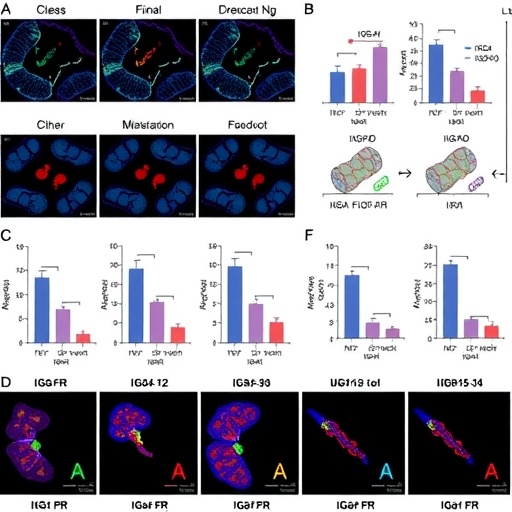
Elevated levels of insulin-like growth factor 1 receptor (IGF1R) in immune thrombocytopenia (ITP) pose a significant avenue for exploration in understanding the etiology and potential therapeutic strategies for this condition. Recent research led by Zhu et al. has uncovered not only heightened levels of IGF1R but also abnormal methylation patterns associated with this receptor in patients suffering from ITP. This important work adds a new dimension to our understanding of the pathophysiological mechanisms underlying this hematological disorder, which is characterized by a significant decrease in platelet counts and an increased risk of bleeding.
The role of IGF1R in cellular growth, differentiation, and survival has been well-documented in various contexts, including cancer and metabolic disorders. In ITP, the elevated expression of IGF1R may suggest a compensatory mechanism in response to the immune-mediated destruction of platelets. Zhu and colleagues meticulously analyzed samples from ITP patients, revealing a striking correlation between IGF1R levels and clinical symptoms. Such findings underscore the potential for IGF1R as a biomarker or therapeutic target in managing this elusive disease.
The investigation into IGF1R also encompassed the assessment of its methylation status. Methylation is a key epigenetic modification that can influence gene expression without altering the underlying DNA sequence. In ITP patients, abnormal methylation patterns of IGF1R were identified, indicating that epigenetic changes could contribute to the altered expression of this receptor. This raises important questions about the mechanisms that lead to such methylation events and whether reversing them could offer a novel therapeutic approach for ITP management.
Moreover, the study highlights the intricate relationship between the immune system and platelet production. Immune thrombocytopenia, often resulting from autoantibody-mediated destruction of platelets, has long been thought to involve a dysregulation of immune signaling pathways. Findings regarding IGF1R suggest that this receptor could play a role not only in platelet survival but also in modulating immune responses. Further investigations into this receptor’s function could illuminate new treatment strategies that harness this connection.
The clinical implications of elevated IGF1R in ITP are profound. One of the most compelling aspects of Zhu et al.’s findings is the potential for using IGF1R as a therapeutic target. Translational research could pave the way for the development of IGF1R inhibitors, which could mitigate the effects of autoimmunity in ITP. Existing therapies often come with significant side effects, and the identification of a more targeted approach could enhance patient outcomes while minimizing adverse events.
The research team employed advanced techniques, including quantitative PCR and sequencing, to analyze IGF1R expression and methylation status. Such methodological rigor ensures the validity of their findings and sets a precedent for similar studies aimed at elucidating the molecular underpinnings of ITP. As the scientific community delves deeper into this area, it may be possible to develop therapeutic interventions that modulate IGF1R pathways, thereby improving the quality of life for patients.
Furthermore, the implications of this research extend beyond ITP. The role of IGF1R in various other diseases, including certain cancers, suggests that understanding its function could have broader applicability in biomedical research. Similarly, the epigenetic insights gained from this study could motivate investigations into other conditions characterized by immune dysregulation or hematological abnormalities.
The study by Zhu et al. serves as a stepping stone towards a clearer understanding of the pathophysiology of ITP. Future research should aim to dissect the biochemistry of IGF1R and its involvement in the immune response, potentially revealing interconnected pathways that are disrupted in ITP. Collaborative efforts among hematologists, immunologists, and molecular biologists will be essential in advancing this field, focusing on patient-centered research and precision medicine.
As awareness of the complex interplay between genetics, epigenetics, and immune function grows, the pursuit of interdisciplinary approaches to study ITP will be vital. Continued investigation into how IGF1R is regulated at both genetic and epigenetic levels could illuminate new avenues for therapeutic intervention, offering hope to those affected by this challenging disorder.
In conclusion, the findings presented in the study by Zhu et al. regarding elevated IGF1R and its abnormal methylation in immune thrombocytopenia provide a pivotal entry point for future research and clinical applications. As the scientific community builds upon this foundation, the potential for novel treatment strategies that improve patient care in ITP becomes increasingly tangible. Understanding these mechanisms not only furthers our knowledge of ITP but also enriches the broader landscape of hematology and immune-mediated diseases.
In summary, this study underscores a crucial relationship between IGF1R dynamics and immune thrombocytopenia, highlighting the need for continued exploration in this area. With an increasing body of evidence, researchers are now better equipped to dissect the complexities of ITP, paving the way for innovative therapies that could significantly enhance patient outcomes.
Subject of Research: Elevated IGF1R and its implications in immune thrombocytopenia
Article Title: Elevated IGF1R and abnormal methylated IGF1R in immune thrombocytopenia.
Article References:
Zhu, X., Gao, N., Li, X. et al. Elevated IGF1R and abnormal methylated IGF1R in immune thrombocytopenia.
Ann Hematol 105, 34 (2026). https://doi.org/10.1007/s00277-026-06765-z
Image Credits: AI Generated
DOI: https://doi.org/10.1007/s00277-026-06765-z
Keywords: IGF1R, immune thrombocytopenia, methylation, autoimmunity, platelet count, therapeutic target.
Tags: biomarker discovery in ITPcorrelation between IGF1R levels and clinical symptomsepigenetic modifications in hematological disordershematological disorder biomarkersIGF1R elevation in immune thrombocytopeniaimmune-mediated platelet destruction mechanismsinsulin-like growth factor signaling pathwaysmethylation alterations in ITPpathophysiology of immune thrombocytopeniaresearch findings on ITP treatmentrole of methylation in gene expressiontherapeutic strategies for immune thrombocytopenia