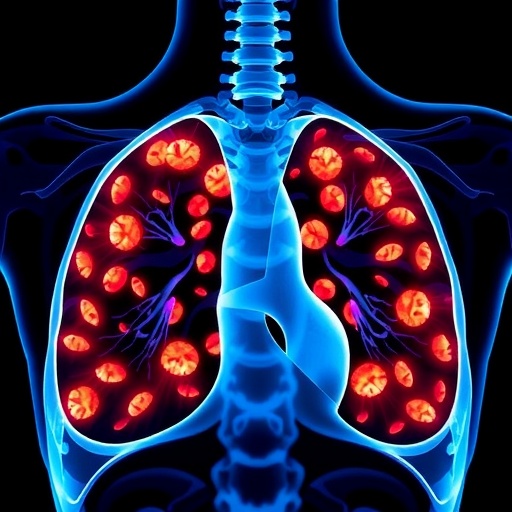
In a groundbreaking commentary published in the ‘Journal of Cancer Research and Clinical Oncology’, Dr. P. Peker sheds light on the significant advancements in treatment strategies for bone-metastatic non-small cell lung cancer (NSCLC). This malignancy, notorious for its challenging prognosis, often presents treatment hurdles that medical practitioners and researchers alike strive to overcome. The incorporation of radiotherapy alongside immune checkpoint inhibitors marks a promising step in improving survival rates for patients facing this particularly aggressive form of cancer.
Bone metastases from NSCLC represent a complex clinical scenario where traditional treatments may falter. Typically associated with pain and systemic symptoms, these metastatic manifestations complicate the treatment landscape. The emerging paradigm of combining radiotherapy with immunotherapy opens a new frontier in managing these cases. By augmenting the immune response triggered by checkpoint inhibitors with radiotherapy’s localized effects, patients may experience enhanced outcomes, both in terms of survival and quality of life.
Advancements in radiation techniques have been pivotal in this combined approach. The use of stereotactic body radiotherapy (SBRT) allows for precision targeting of tumor tissue while sparing surrounding healthy structures. This technique minimizes side effects and maximizes the therapeutic index, which could be particularly advantageous when used in conjunction with immune therapies. As Dr. Peker points out, the synergy between radiotherapy and immunotherapy could be the key to unlocking better responses in bone-metastatic NSCLC.
Recent studies have shown that radiotherapy can potentially enhance the immunogenicity of tumor cells, making them more recognizable to the immune system. This aspect is crucial when employing immune checkpoint inhibitors that have revolutionized cancer treatment. When tumors are exposed to radiation, they may release neoantigens that can trigger a more robust immune response, thus improving the effectiveness of therapies aimed at boosting the immune system’s capacity to fight cancer.
Moreover, the timing and sequencing of these therapies could play a critical role in treatment success. The optimal scheduling of radiotherapy sessions in conjunction with immunotherapy doses may determine overall survival rates and therapeutic efficacy. Oncologists are increasingly tasked with carefully designing treatment plans that consider not only the individual characteristics of each patient but also the dynamic interplay between these treatment modalities.
Dr. Peker emphasizes the need for further studies to elucidate the mechanisms underlying these observations. Understanding the biological underpinnings can pave the way for new biomarkers that predict patient responses to combination therapies. Identifying which patients are likely to benefit most from this approach will be essential as oncologists tailor treatments to individual needs, enhancing personalized medicine’s efficacy.
The clinical implications of enhanced survival rates in patients receiving combined therapies are far-reaching. A higher survival rate not only impacts patient outcomes but can also alleviate the psychological burden associated with advanced cancer diagnoses. Furthermore, this progress in treatment reflects a broader trend toward integrative approaches in oncology, where collaboration between various disciplines could yield improved strategies against complex diseases like NSCLC.
As the research community continues to explore this promising combination therapy, it is crucial to keep patient safety and quality of life at the forefront. The potential side effects from radiotherapy and immunotherapy could present challenges that must be managed within clinical settings. Ongoing clinical trials are essential to assess the safety profiles of these combined treatments rigorously, ensuring that patients can reap the benefits without incurring undue harm.
Patient-reported outcomes must also be an integral part of studying these combined therapies. Gathering data on quality of life, pain management, and psychological well-being will provide a more holistic view of treatment efficacy. As these therapies advance, understanding how they affect patients’ day-to-day lives will be critical in guiding their implementation in clinical practice.
The insights shared by Dr. Peker in his commentary serve as a clarion call to the oncology community, urging ongoing exploration and validation of combined therapy strategies. The excitement surrounding the potential of combining radiotherapy with immunotherapy galvanizes researchers and clinicians alike, as they seek to chart new pathways in the fight against lung cancer.
In conclusion, as the field of oncology evolves, so too must our approaches to treatment. Dr. Peker’s commentary provides a pivotal moment for the ongoing discourse around bone-metastatic NSCLC, inviting further research and discussion on this critical topic. By continuing to investigate these innovative combinations, the medical community can aspire to achieve better patient outcomes and a greater understanding of cancer management.
The future of cancer treatment lies in the integration of multiple modalities, and the promising combination of radiotherapy and immunotherapy may well set a precedent for future approaches in oncology. With assurance, the advancements highlighted in this commentary will drive forward the quest for improved survival rates, offering hope to patients battling against the odds.
As we stand on the brink of new discoveries in cancer treatment, the collaboration between research and clinical practice becomes ever more important. The urgency for innovative therapies in challenging malignancies like bone-metastatic NSCLC underscores the fundamental need for continued exploration. The journey may be long and complex, but each step taken brings us closer to uncovering breakthroughs that can change the lives of countless individuals facing cancer.
In retrospect, this commentary does not just mark a significant contribution to medical literature; it also serves as a poignant reminder of the challenges and triumphs faced in the realm of cancer research. The dialogue surrounding the combination of radiotherapy and immunotherapy is just beginning, but the promise it holds is undeniable and filled with potential for future advancements in the fight against one of the world’s most formidable diseases.
Subject of Research: Combination of radiotherapy and immunotherapy in bone-metastatic non-small cell lung cancer
Article Title: Commentary on early survival gains from adding radiotherapy to immunotherapy in bone-metastatic NSCLC
Article References:
Peker, P. Commentary on early survival gains from adding radiotherapy to immunotherapy in bone-metastatic NSCLC.
J Cancer Res Clin Oncol 152, 21 (2026). https://doi.org/10.1007/s00432-025-06402-8
Image Credits: AI Generated
DOI: https://doi.org/10.1007/s00432-025-06402-8
Keywords: Bone metastases, non-small cell lung cancer, immunotherapy, radiotherapy, treatment strategies, cancer research, survival rates, personalized medicine, clinical trials, patient outcomes.
Tags: advancements in radiotherapy techniquesbone-metastatic lung cancer treatmentcombined cancer treatment strategiesenhancing immune response with radiotherapyImmune checkpoint inhibitors in cancer therapyimproving survival rates in cancer patientsinnovative approaches in cancer researchmanaging bone metastases in NSCLCovercoming treatment hurdles in lung cancerquality of life in metastatic cancer patientsradiotherapy and immunotherapy for NSCLCstereotactic body radiotherapy benefits