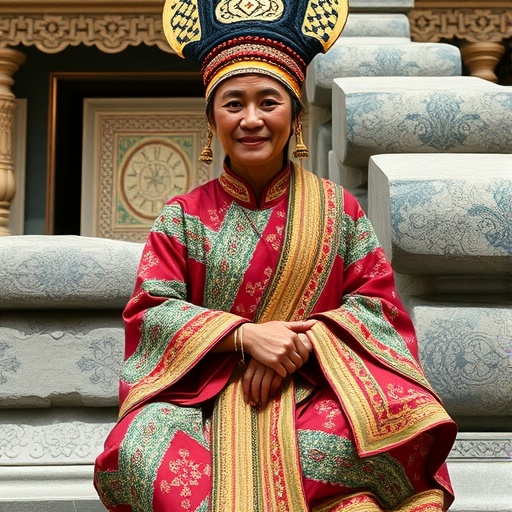
In an era where technological advancements are rapidly reshaping various fields, the intersection of artificial intelligence and cultural heritage emerges as a pivotal area of study. A groundbreaking paper by C. Shang delves into the quantitative assessment of intangible cultural heritage art, utilizing multimodal machine learning techniques. This research represents a significant milestone, aiming to bridge the gap between traditional cultural narratives and modern technology. Shang’s study opens up a robust dialogue on how artificial intelligence can enhance the preservation and valuation of cultural assets that have been historically overlooked due to their intangible nature.
Intangible cultural heritage, encompassing traditions, practices, and expressions that define communities, has always posed challenges when it comes to valuation. Unlike tangible assets, such as artifacts or monuments, the worth of intangible cultural heritage is often subjective and rooted in cultural significance rather than market dynamics. Shang’s approach utilizes multimodal machine learning to quantify these values, presenting a pioneering framework that may redefine how we perceive and preserve cultural identities in a technological age.
At the core of Shang’s methodology lies the integration of diverse data sources, reflective of the multimodal aspect of the machine learning model. By combining visual, auditory, and textual data, the research enables a comprehensive analysis that traditional methods may lack. For instance, the model can analyze folk music recordings alongside visual representations of cultural festivities. This layered analysis permits a richer valuation, capturing the emotional and cultural significance embedded within these practices.
Moreover, the findings suggest that machine learning can facilitate a more objective assessment of cultural heritage by minimizing human bias that often clouds judgment in this field. By leveraging algorithms that can analyze vast datasets, Shang illustrates how machine learning offers a means to democratize cultural valuation. This democratization could empower local communities and cultural custodians to advocate for their heritage, enhancing their role in preservation efforts.
The implications of Shang’s research extend beyond mere evaluation. Cultural sustainability becomes a pressing concern as globalization threatens local traditions. By employing quantitative assessment, stakeholders can gain insights into which elements of culture may be at risk of fading. This proactive approach not only offers strategies for preservation but also fosters a deeper public appreciation for the worth of cultural heritage, something that is often relegated to the background in modern society.
Shang captivates the reader by deftly weaving technical explanations with cultural narratives. The paper is not solely focused on the mechanics of machine learning but expands to include real-world applications, demonstrating how data-driven insights can inform policy-making and community engagement. For instance, local governments can utilize these assessments in cultural funding decisions, ensuring that resources are allocated to initiatives that truly reflect and enhance community values.
Furthermore, the use of multimodal machine learning techniques provides a pioneering lens through which to assess cultural impact. In an age where digital presence defines cultural interactions, the ability to quantify engagement metrics through social media and online platforms adds another layer of understanding to intangible heritage. Shang’s study demonstrates that by measuring the digital dynamics surrounding cultural practices, a deeper appreciation and recognition of these elements can be fostered globally.
Another pivotal aspect of the research is its attention to ethical considerations in the application of artificial intelligence. As technology continues to evolve, ethical concerns about data utilization and representation must be at the forefront of discussions about cultural heritage. Shang acknowledges these challenges, advocating for frameworks that prioritize ethical practices in machine learning applications in cultural heritage, thus ensuring respect for the communities involved and their stories.
By integrating case studies and empirical data, Shang supports the argument that multimodal machine learning can yield actionable insights that transcend traditional academic discourse. The research elicits a call to action for researchers, policymakers, and cultural advocates alike to rethink how they assess and preserve intangible cultural heritage. This paper serves not only as a significant scholarly contribution but also as an impetus for dialogue and collaboration among diverse stakeholders in the cultural preservation sphere.
The research stands as a testament to the potential for technology to serve as a beacon for cultural understanding amidst the fast-paced changes of the contemporary world. As we witness the continuous evolution of our cultural landscapes, the ability to quantitatively assess intangible heritage becomes not only necessary but essential for its survival. Shang’s work paves the way for further research and application in this field, offering a robust model that can adapt and grow alongside our societies.
As we consider the future trajectory of cultural heritage in an increasingly digital world, Shang’s quantitative assessment may well represent a revolutionary shift. The convergence of technology and culture can enrich our understanding and promote a more profound appreciation of what heritage truly represents. It poses the critical question — how do we maintain our identities in the face of globalization? The answer may lie in harnessing the very tools that threaten to erase these identities, offering a new paradigm for cultural legacy and valuation.
Ultimately, Shang’s study is a clarion call to recognize the invaluable art of intangible heritage through the lens of compatibility with modern technology. The implications of this research underscore a significant shift in how we view cultural assets; it is no longer sufficient to cherish traditions without acknowledging their quantitative worth in today’s evolving landscape. Shang has successfully woven a tapestry that connects the past with the future, maintaining that understanding intangible cultural heritage through innovative methodologies could safeguard global cultural diversity.
In conclusion, as we stand on the brink of a new era of cultural preservation, Shang’s research illuminates pathways to integrate technology and heritage. By embracing these innovative models, we affirm our commitment to not only preserving our cultural narratives but also enhancing their appreciation and value in contemporary society. The journey ahead is daunting, yet filled with promise, as we navigate what it means to honor and sustain our planet’s diverse cultural heritages through the potent lens of artificial intelligence.
Subject of Research: Quantitative assessment of intangible cultural heritage art using multimodal machine learning.
Article Title: Quantitative assessment of the value of intangible cultural heritage art supported by multimodal machine learning.
Article References:
Shang, C. Quantitative assessment of the value of intangible cultural heritage art supported by multimodal machine learning. Discov Artif Intell (2025). https://doi.org/10.1007/s44163-025-00697-9
Image Credits: AI Generated
DOI: 10.1007/s44163-025-00697-9
Keywords: intangible cultural heritage, machine learning, multimodal analysis, cultural preservation, technology and culture
Tags: artificial intelligence in cultural preservationbridging technology and traditionchallenges in valuing intangible heritagecultural narratives and modern technologyinnovative frameworks for cultural heritage evaluationintangible cultural heritage assessmentintegrating diverse data sourcesmultimodal machine learning techniquespreserving intangible cultural practicesquantitative valuation of cultural assetsredefining cultural identitiessignificance of community traditions