In the burgeoning field of bioelectronic medicine, a recent breakthrough offers transformative potential for treating gastrointestinal disorders and metabolic diseases alike. Researchers have unveiled a novel gastrointestinal neuroprosthesis designed explicitly to interface with the enteric nervous system—often dubbed the “second brain”—to modulate gut motility and metabolic processes through precise neuromodulation. This cutting-edge device represents a significant leap forward in the quest to harness neural circuits for therapeutic benefit, promising to shift paradigms in how clinicians address complex digestive and metabolic conditions.
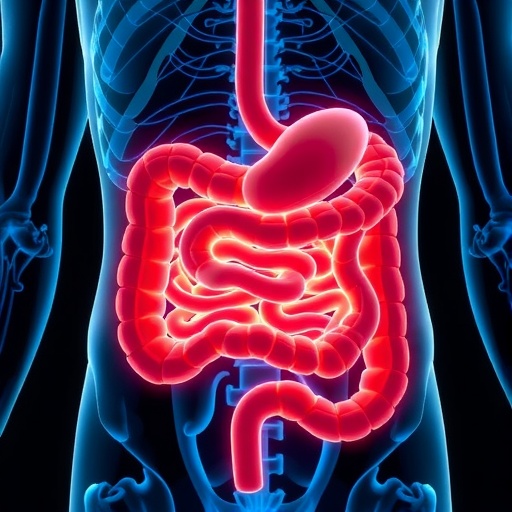
The gastrointestinal tract is innervated by an intricate network of neurons that govern motility, secretion, and absorption, orchestrating a delicate balance critical for nutrient breakdown and waste elimination. Disruptions in these neural pathways can lead to debilitating conditions such as gastroparesis, chronic constipation, and even systemic metabolic imbalances like diabetes and obesity. While pharmacological interventions have historically dominated treatment approaches, their efficacy is often limited by systemic side effects and partial symptom control. This newly developed neuroprosthesis circumvents such issues by delivering targeted electrical stimulation to specific neural populations within the gut, modulating their activity with unprecedented precision.
At the heart of this innovation is a flexible, bioengineered implant capable of conforming to the morphology of the gastrointestinal tract, minimizing tissue irritation and ensuring chronic stability. The implant integrates microelectrode arrays with an embedded microprocessor system, enabling both stimulation and real-time recording of neural activity. This dual functionality provides a closed-loop feedback mechanism critical for personalized treatment regimens. By monitoring the enteric nervous system’s responses and adjusting stimulation patterns accordingly, the prosthesis maintains homeostatic control over gut motility while also mediating metabolic signaling pathways that influence systemic glucose regulation and energy expenditure.
.adsslot_CYZ7pKuao4{ width:728px !important; height:90px !important; }
@media (max-width:1199px) { .adsslot_CYZ7pKuao4{ width:468px !important; height:60px !important; } }
@media (max-width:767px) { .adsslot_CYZ7pKuao4{ width:320px !important; height:50px !important; } }
ADVERTISEMENT
The engineering feat extends beyond miniaturization and biocompatibility, incorporating sophisticated algorithms for signal processing. These algorithms decode the complex electrophysiological patterns associated with peristalsis—the rhythmic contractions moving contents along the digestive tract—and neuro-hormonal release. Importantly, the system discriminates between excitatory and inhibitory signals, enabling nuanced modulation rather than blunt activation or suppression. This selectivity is vital for avoiding adverse effects such as dysregulated bowel movements or inappropriate hormone secretion, which can exacerbate patient conditions.
Animal models provided compelling proof of concept. Implantation of the neuroprosthesis in rodents demonstrated enhanced coordination of gut motility and improved metabolic markers without triggering inflammation or scar tissue formation over extended periods. Notably, neuromodulation delivered through this device regulated the release of gut hormones like ghrelin and glucagon-like peptide-1 (GLP-1), integral players in appetite regulation and insulin sensitivity. These findings lay the groundwork for therapeutic applications extending beyond motility disorders, opening avenues in obesity management and type 2 diabetes treatment through bioelectronic pathways.
One of the core challenges overcome by the researchers involved ensuring stable, long-term neural interface in the hostile environment of the gut. The constant motion, enzymatic milieu, and microbiota presence pose significant hurdles for implant durability. Material scientists designed the neuroprosthesis using biostable, flexible polymers coated with anti-fouling agents, dramatically reducing biofilm formation and immune responses. This multidisciplinary effort underscores the vital convergence of neuroscience, materials engineering, and computational biology in realizing effective neuroprosthetic devices.
Furthermore, the device’s design contemplates patient-specific customization. Using preoperative neural mapping and machine learning analyses, stimulation protocols can be tailored to individual electrophysiological signatures. This bespoke approach mitigates the trial-and-error commonly encountered in existing neuromodulation therapies and elevates precision medicine to a new plane. As the research moves toward human trials, such adaptability will be essential, given the variability in enteric nervous system organization and disease manifestations among patients.
The investigative team also delved into the molecular mechanisms underpinning the observed therapeutic effects. Electrophysiological stimulation of the enteric neurons triggered downstream modulation of autonomic signaling pathways and altered gut microbiota composition, both critical in metabolic regulation. These findings illuminate a multilayered interplay among neural, endocrine, and microbial networks modulated by bioelectronic intervention, emphasizing the holistic potential of the neuroprosthesis beyond a mere motility aid.
Looking ahead, this neuroprosthetic platform serves as a prototype for a broader class of implantable bioelectronic devices aimed at other organ systems where neural modulation can restore function. The gastrointestinal neuroprosthesis’s success exemplifies how seamlessly integrating sensing, stimulation, and adaptive control can surmount the complexity of physiological systems previously deemed intractable to direct neural intervention.
In conclusion, the advent of a gastrointestinal neuroprosthesis marks a pivotal advance at the intersection of neuroscience and bioengineering, illuminating new frontiers in treating chronic digestive and metabolic diseases. By recapitulating and refining the body’s own neural control mechanisms, this technology offers a beacon of hope for millions afflicted worldwide, promising interventions that are not only efficacious but intrinsically aligned with human physiology. As clinical trials commence, the scientific community awaits with anticipation the transformative impacts this device may herald for personalized neuromodulation and systemic health restoration.
Article References:
Srinivasan, S., Antonini, MJ., Alshareef, A. et al. Gastrointestinal neuroprosthesis for motility and metabolic neuromodulation. Nat Commun 16, 7374 (2025). https://doi.org/10.1038/s41467-025-62413-6
Image Credits: AI Generated
Tags: bioelectronic medicine advancementsbreakthroughs in digestive health technologyenteric nervous system interfaceflexible bioengineered implants for gutgut motility enhancement techniquesinnovative therapies for chronic constipationmanaging diabetes with neuroprostheticsneuromodulation in gut healthneuroprosthetics for gastrointestinal disordersrevolutionizing treatment of gastrointestinal diseasestargeted electrical stimulation in medicinetreating metabolic diseases with technology