A Sharp Decline in ADHD Stimulant Misuse Among Young Adults: New Evidence from a Comprehensive Review
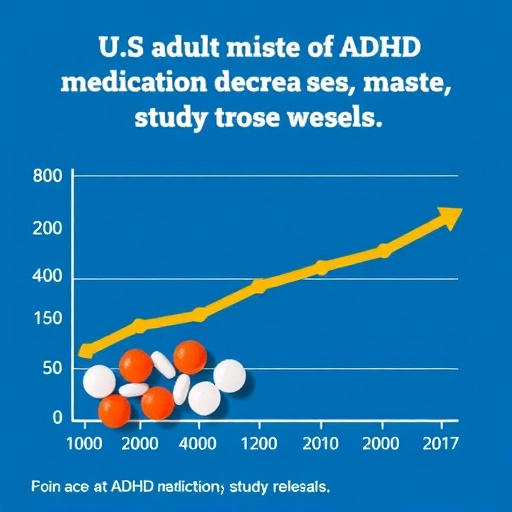
Recent data signals a noteworthy reduction in the misuse of stimulant medications prescribed for attention deficit hyperactivity disorder (ADHD), particularly among adults under 30. A systematic review published in the Journal of Clinical Psychopharmacology reveals that misuse rates have fallen from 7.5% in 2016 to approximately 3.7% in 2023 within this demographic. The analysis consolidates findings from 64 studies spanning 2004 to 2024, offering an unprecedented synthesis on patterns, motivations, and outcomes related to misuse of drugs such as Adderall, Ritalin, and Vyvanse.
The review attributes this rapid decline chiefly to diminished misuse of Adderall. Experts speculate that a nationwide shortage of ADHD medications, commencing in 2022 and affecting over 70% of patients experiencing trouble obtaining prescriptions, may have curtailed access and illicit sharing. Additionally, the decline seems most prominent in urban, white young adults and college students—groups traditionally linked to higher rates of non-prescribed use.
Crucially, misuse manifests in two distinct behavioral patterns. The predominant group includes young adults during late adolescence and early adulthood who engage in occasional, oral consumption mainly to enhance concentration or extend wakefulness during study sessions. Typically, these individuals acquire stimulants gratis from friends or relatives holding legitimate prescriptions. Conversely, a smaller subset—often over 30 and with complex social or health issues—exhibits high-frequency use (seven or more days monthly), frequently sourcing drugs through doctor-shopping or illicit dealers and employing alternate administration methods including snorting or injection, underscoring more problematic abuse profiles.
Health consequences of such misuse are serious but nuanced. From 2012 to 2016, over 33,000 poison control center cases involving stimulant misuse were reported, encompassing accidental exposures as well as intentional overdoses and suicide attempts. Poly-substance use is common; more than half of individuals misusing ADHD stimulants also consume alcohol, while significant proportions use cannabis, cocaine, or other prescription drugs concurrently, amplifying risks of adverse interactions.
Despite public concern, evidence does not support a causal link between medically supervised stimulant use in adolescence and subsequent development of substance use disorders. However, glaring research gaps remain concerning the long-term physiological effects of chronic misuse. The review highlights a surprising lack of longitudinal U.S. studies probing these outcomes, as well as scant information on trajectories transitioning from casual misuse to entrenched abuse.
As the ADHD medication landscape evolves, this comprehensive assessment, commissioned by the U.S. Food and Drug Administration and led by experts at the Keck School of Medicine of USC, underscores the importance of physician vigilance. Educating patients on responsible use and safe storage is vital to mitigating diversion and misuse. Furthermore, the findings call for intensified research efforts to illuminate the long-term health consequences and refine public health strategies addressing stimulant misuse in diverse populations.
Subject of Research: People
Article Title: Adult Misuse of ADHD Stimulant Medication in the United States
News Publication Date: 4-Jun-2026
References: DOI 10.1097/JCP.0000000000002202
Keywords: ADHD, stimulant misuse, Adderall, Ritalin, Vyvanse, substance abuse, prescription drugs, public health
Tags: ADHD medication misusebehavioral patterns of ADHD medication misusecomprehensive review of ADHD medication misuse trendsdecline in ADHD stimulant abuseeffects of medication shortages on ADHD drug misuseimpact of drug shortages on illicit pharmaceutical usemotivations for ADHD medication misusepatterns of non-prescribed ADHD medication usepublic health implications of reduced stimulant misusestimulant medication misuse among young adultstrends in Adderall and Ritalin misuseurban and college student substance abuse