In a groundbreaking study published in the British Journal of Cancer, researchers from Fujita Health University have unveiled a novel mechanism by which benzaldehyde – a naturally occurring aromatic compound found in almonds, apricots, and figs – exerts potent anticancer effects. This discovery not only shines new light on the molecular underpinnings of cancer treatment resistance but also suggests promising new avenues for therapeutic strategies aimed at combating the spread and resilience of aggressive tumors.
Cancer cells are notorious for their capacity to proliferate uncontrollably and evade therapeutic interventions. A hallmark of malignancy is the plasticity that allows cancer cells to transition from an epithelial phenotype – characterized by tight cellular adhesion – to a mesenchymal phenotype that promotes motility and invasiveness. This epithelial-to-mesenchymal transition (EMT) not only facilitates metastasis but also confers substantial resistance to conventional treatments such as chemotherapy and radiation therapy. Reversing or blocking this plasticity is a critical unmet need in oncology.
The team led by Dr. Hideyuki Saya, Director of the Oncology Innovation Center at Fujita Health University, embarked on this investigation inspired by earlier studies from the 1980s that hinted at benzaldehyde’s anticancer properties. What remained unknown, until now, was the precise molecular basis for its efficacy. The first author, Dr. Jun Saito, herself the progeny of pioneering benzaldehyde researchers, channeled her dedication to uncover the biochemical pathways that mediate benzaldehyde’s effects in malignant cells.
.adsslot_gE0rIp83Aq{ width:728px !important; height:90px !important; }
@media (max-width:1199px) { .adsslot_gE0rIp83Aq{ width:468px !important; height:60px !important; } }
@media (max-width:767px) { .adsslot_gE0rIp83Aq{ width:320px !important; height:50px !important; } }
ADVERTISEMENT
Their research utilized sophisticated in vivo and in vitro models, including murine pancreatic cancer grafts, to simulate the aggressive nature of human cancer. The experiments demonstrated that benzaldehyde selectively impaired the survival and proliferation of cancer cells that had acquired resistance to both radiation and tyrosine kinase inhibitors like osimertinib – a frontline molecularly-targeted therapy in oncology. Strikingly, benzaldehyde showed a synergistic effect when combined with radiation, effectively overcoming previously refractory cancer cell populations.
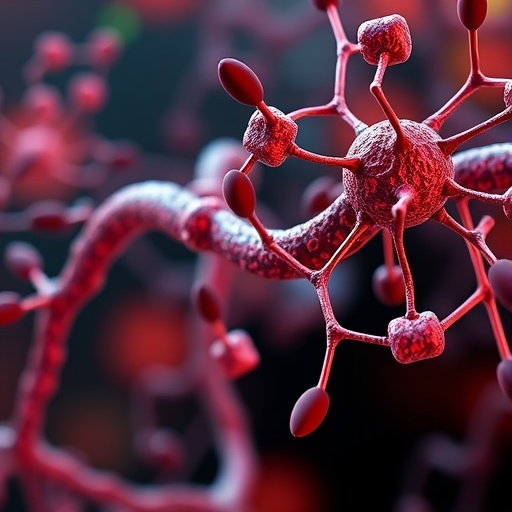
At the heart of their findings lies a critical signaling interaction involving the 14-3-3ζ protein, a molecular scaffold known to participate extensively in cell survival and signal transduction pathways. Benzaldehyde disrupts the binding of 14-3-3ζ to the Serine 28-phosphorylated form of histone H3 (H3S28ph), a post-translational modification integral to chromatin remodeling and gene regulation. This interaction has emerged as a linchpin in the expression of genes mediating therapy resistance and epithelial-mesenchymal plasticity.
The histone modification H3S28ph typically recruits 14-3-3ζ as a client protein, facilitating downstream transcriptional programs that endorse cancer cell survival and aggressiveness. Benzaldehyde’s interference in this interaction effectively halts 14-3-3ζ-dependent phosphorylation, attenuating the transcription of resistance-conferring and EMT-related genes. This represents a strategic blockade at the epigenetic regulatory level, impairing cancer cells’ ability to adapt and thrive under therapeutic stress.
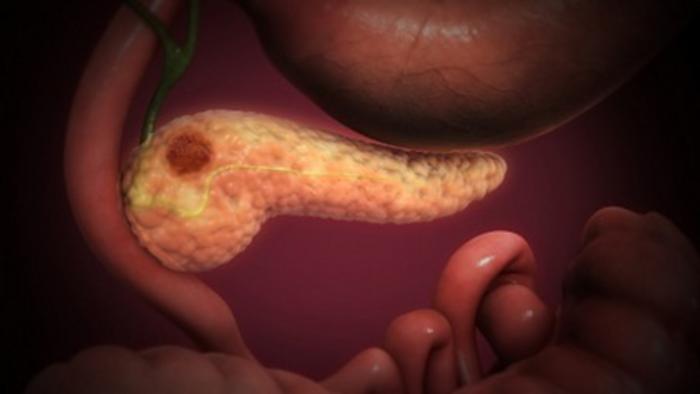
Animal trials further substantiated these findings. Treatment with benzaldehyde derivatives in tumor-bearing mice resulted in marked attenuation of pancreatic tumor growth. Moreover, these compounds abrogated epithelial-to-mesenchymal plasticity in vivo, substantially reducing the incidence of metastatic dissemination to distant organs, such as the lungs. This dual action—tumor growth inhibition combined with metastasis suppression—highlights benzaldehyde’s multifaceted therapeutic potential.
Importantly, the study circumvents the longstanding challenge associated with directly targeting 14-3-3ζ. Given the protein’s essential roles in normal cellular physiology, outright inhibition poses significant risks. Instead, benzaldehyde’s selective disruption of 14-3-3ζ’s interaction with specific phosphorylated histone clients offers a more precise and potentially safer therapeutic modality that spares physiological functions while incapacitating malignant signaling.
The implications for clinical oncology are profound. Benzaldehyde, either alone or as an adjunct to established therapies, could serve to overcome acquired resistance mechanisms that currently limit patient outcomes. Its ability to sensitize cancer cells to radiation and molecular-targeted inhibitors underscores its versatility. The study advocates for further development of benzaldehyde-based compounds in combinatorial regimens that address the heterogeneous and adaptive nature of malignancies.
Reflecting on the translational potential of the research, Dr. Saya emphasized that this novel treatment strategy could fill a critical void in contemporary cancer therapeutics. By selectively targeting a critical protein–protein interaction pivotal to cancer cell adaptability and survival, benzaldehyde offers hope for more effective management of refractory and metastatic tumors—a challenge that has plagued oncologists for decades.
This discovery also exemplifies the power of revisiting natural compounds long overlooked or underexplored in modern pharmacology. Benzaldehyde’s status as a fragrant compound with ancient use in flavoring belies its sophisticated molecular interactions, reinforcing the value of integrating biochemical research with natural product pharmacology in the search for innovative cancer treatments.
In summary, benzaldehyde’s ability to inhibit the interaction between 14-3-3ζ and H3S28ph emerges as a promising therapeutic axis that disrupts treatment resistance and metastatic plasticity in cancer cells. Future studies will need to elucidate pharmacokinetics, optimize derivative compounds, and validate efficacy across diverse cancer types, setting the stage for clinical trials. As cancer therapy continues to evolve, such targeted epigenetic interventions might redefine the paradigm of combinatorial cancer care, offering renewed hope to patients battling aggressive and resistant tumors.
Subject of Research: Animals
Article Title: Benzaldehyde suppresses epithelial-mesenchymal plasticity and overcomes treatment resistance in cancer by targeting the interaction of 14-3-3ζ with H3S28ph
News Publication Date: 2-May-2025
References: DOI: 10.1038/s41416-025-03006-4
Image Credits: “Pancreatic Cancer” by Scientific Animations Inc.
Keywords: Benzaldehyde, cancer, 14-3-3ζ, histone H3 phosphorylation, epithelial-mesenchymal plasticity, treatment resistance, pancreatic cancer, molecular targeted therapy, radiation resistance, epigenetic regulation, metastasis, anticancer agents
Tags: aggressive tumor resiliencearomatic compounds in oncologybenzaldehyde anticancer propertieschemotherapy resistance in pancreatic cancerepithelial-to-mesenchymal transition in cancerFujita Health University cancer researchinnovative cancer treatment approachesmetastatic cancer therapiesnovel mechanisms in cancer therapyovercoming cancer treatment resistancepancreatic cancer treatment strategiesplasticity of cancer cells