Radium-223 Fails to Prevent Bone Complications in Landmark Kidney Cancer Trial—but Raises a Surprising Survival Signal
A landmark clinical trial has found that adding the radioactive drug radium-223 to the cancer treatment cabozantinib does not reduce serious bone complications in people with advanced kidney cancer. The Phase II RadiCaL trial, also known as Alliance A031801, is the first randomized study to test a radiopharmaceutical in kidney cancer, and its results provide a crucial reality check for an approach that had generated considerable interest among cancer researchers. Although the combination did not improve the trial’s primary endpoint—skeletal event-free survival—patients receiving both treatments showed a numerically longer median overall survival than those receiving cabozantinib alone. Researchers emphasize that the survival difference was not the main focus of the study and should be regarded as hypothesis-generating rather than proof that the combination extends life.
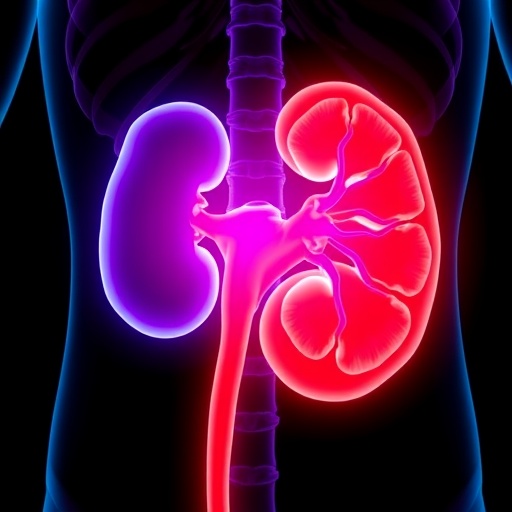
Kidney cancer affects approximately 80,000 people in the United States each year, and roughly 30 percent of patients eventually develop metastatic disease. Once kidney cancer spreads beyond the kidney, it can invade the bones, where tumors may weaken the skeleton and cause severe pain, fractures, spinal cord compression, and the need for radiation or surgery. These complications, known collectively as skeletal-related events, can dramatically reduce mobility and quality of life. They can also interrupt systemic cancer treatment and contribute to worsening health. Preventing such events is therefore an important goal in metastatic renal cell carcinoma, particularly as modern therapies allow many patients to live longer with advanced disease.
The RadiCaL study enrolled 98 patients at 29 cancer centers across the United States over a period of more than five years. Participants were randomly assigned to receive either cabozantinib alone or cabozantinib combined with radium-223 dichloride. Cabozantinib is an oral targeted therapy that blocks several molecular pathways involved in tumor growth, invasion, and the formation of new blood vessels. By interfering with signaling proteins such as MET, AXL, and vascular endothelial growth factor receptors, the drug can restrict the tumor’s ability to expand and obtain a blood supply. It is an established treatment option for advanced kidney cancer and was used as the standard backbone therapy in both study groups.
Radium-223 works through a very different biological strategy. The drug is an alpha-particle-emitting radionuclide that chemically mimics calcium. Because bone is constantly being remodeled, calcium-like molecules are preferentially deposited in areas of active bone formation, including regions where cancer has spread. Once radium-223 reaches these sites, it releases high-energy alpha particles over an extremely short distance. This radiation can damage the DNA of nearby cancer cells while limiting exposure to tissues farther away. The approach has been used in certain settings for prostate cancer with bone metastases, making it biologically plausible to investigate in renal cell carcinoma. Researchers hoped that combining localized radiation in the skeleton with systemic targeted therapy would attack both the tumor and its bone environment.
The trial’s primary endpoint was skeletal event-free survival, a measure that captures the time patients remain free from serious bone complications or death. Investigators expected that radium-223 might reduce the risk of fractures, spinal problems, or other clinically significant skeletal events by directly irradiating cancer deposits in bone. Instead, the interim analysis showed that the addition of radium-223 was unlikely to produce a meaningful improvement over cabozantinib alone. The trial was consequently closed for futility, meaning that continuing to enroll patients was not expected to change the conclusion about the primary endpoint. The finding does not indicate that radium-223 is biologically inactive; rather, it shows that this specific combination did not achieve the intended protective effect under the conditions tested.
One factor may have made it especially difficult to demonstrate an additional benefit. Nearly 80 percent of the participants received bone-strengthening medicines, including denosumab or bisphosphonates. These treatments reduce bone breakdown and are already widely used to lower the risk of fractures and other skeletal complications in patients with bone metastases. The frequency of skeletal events in RadiCaL was substantially lower than anticipated from earlier studies, suggesting that contemporary supportive care may have changed the clinical landscape. When the baseline risk of a complication is already low, an experimental drug has less opportunity to show a further reduction. In statistical terms, the unexpectedly low event rate may have reduced the trial’s ability to detect a difference between treatment groups.
The study did, however, produce a survival observation that investigators say deserves further research. Patients assigned to cabozantinib plus radium-223 had a median overall survival of 28.3 months, compared with 19.7 months among those treated with cabozantinib alone. The approximately eight-month difference is scientifically intriguing, but it cannot be interpreted as definitive evidence of a survival benefit because the trial was not designed or powered primarily to answer that question. Smaller randomized studies can produce imbalances between groups by chance, and survival may also be influenced by differences in subsequent treatments, tumor biology, disease burden, or other clinical factors. Larger trials specifically designed to evaluate survival would be needed before the combination could be considered superior to standard therapy.
Importantly, the treatment combination appeared feasible and generally well tolerated. Serious side effects occurred at similar rates in the two groups, suggesting that radium-223 can be administered alongside cabozantinib without producing an unacceptable level of additional toxicity in carefully selected patients. This safety result is relevant because combining radiation-emitting drugs with targeted therapies can potentially increase damage to the bone marrow, gastrointestinal tract, or other organs. The study therefore helps establish a foundation for future investigations, even though it did not meet its primary goal. Researchers may now focus on identifying which patients are most likely to benefit from radiopharmaceutical treatment, whether different dosing schedules could improve outcomes, and whether radiopharmaceuticals work better when paired with immunotherapy or other targeted drugs.
The findings also highlight a broader shift in cancer research: successful treatment is not always measured by a single dramatic result. RadiCaL answers an important question by showing that adding radium-223 to cabozantinib should not be assumed to prevent bone complications in metastatic kidney cancer. At the same time, the unexpectedly low rate of skeletal events demonstrates how advances in supportive care can alter the design and interpretation of clinical trials. The possible survival signal offers a direction for new hypotheses, but it should not yet change routine treatment. As principal investigator Rana R. McKay explained, the combination’s tolerable safety profile and the numerical survival difference justify continued, careful study of radiopharmaceuticals in kidney cancer—not immediate adoption as a new standard of care. Sponsored by the National Cancer Institute and conducted through the Alliance for Clinical Trials in Oncology, the trial ultimately delivers both a negative result and a valuable map for the next generation of research.
Subject of Research: People
Article Title: Phase II Randomized Trial of Radium-223 Dichloride and Cabozantinib in Patients With Renal Cell Carcinoma With Bone Metastases: RADICAL (Alliance A031801)
News Publication Date: 27-Jul-2026
Web References: Journal of Clinical Oncology article; ClinicalTrials.gov: NCT04071223
References: McKay RR, Ballman KV, Atherton PJ, et al. “Phase II Randomized Trial of Radium-223 Dichloride and Cabozantinib in Patients with Renal Cell Carcinoma with Bone Metastases: RadiCaL (Alliance A031801).” Journal of Clinical Oncology, 2026. DOI: 10.1200/JCO-26-01135.
Image Credits: Alliance for Clinical Trials in Oncology
Keywords: Kidney cancer, renal cell carcinoma, bone metastases, radium-223, cabozantinib, radiopharmaceuticals, skeletal-related events, cancer clinical trials, oncology, metastatic cancer, bone complications, targeted therapy, cancer research
Tags: bone complications in kidney cancercombination therapy for metastatic kidney cancereffectiveness of radium-223 with cabozantinibinnovative approaches in kidney cancer managementkidney cancer clinical trialPhase II RadiCaL trial resultsradiopharmaceutical treatment for kidney cancerradium-223 in kidney cancerskeletal event prevention in advanced kidney cancersurvival outcomes in kidney cancer treatmentsurvival signals from radiopharmaceuticals in cancertargeted radiotherapy for bone metastases